

The "no reserve" nature of the sale adds a layer of unpredictability to the market. In a typical negotiated sale, a seller might walk away if the offers do not meet a certain internal valuation. In this format, the market truly decides the value. This could result in a competitive bidding war that drives the price to a premium, or it could result in a significant bargain if the timing or the specific mix of assets doesn’t align with the current appetite of the major players.
The operational complexity of a million-domain registrar cannot be overstated. Beyond the ICANN accreditations, the winning bidder will inherit a complex web of registry-registrar agreements, customer support infrastructure, billing systems, and technical stacks. In the United States, where this registrar is based, regulatory compliance and data protection standards add further layers of responsibility. However, the reward for the successful bidder is a "sticky" business model. Domain names are fundamental to online identity, and once a customer has established their website and email on a domain, they are highly likely to renew that registration year after year, providing the owner of the registrar with a reliable stream of recurring revenue.
As the November deadlines approach, industry analysts will be watching closely to see which players emerge as the frontrunners. The sale represents more than just a transfer of digital real estate; it is a barometer for the health and valuation of the mid-market registrar space. Whether the assets are absorbed by a domestic rival looking to solidify its US presence or a global entity seeking a turnkey entry into the American market, the conclusion of the Applicant Auction event on November 17 will likely signal the start of a new chapter for one of the industry’s significant, albeit currently anonymous, participants.
The separate bidding for the AI patents also highlights a growing trend of "unbundling" in tech exits. By allowing the intellectual property to be sold independently of the service business, the sellers are maximizing the potential return for shareholders. It acknowledges that the value of a company’s innovation might exceed the value of its traditional service offerings in the eyes of certain investors.
As the domain name system continues to evolve with the upcoming 2026 round of new gTLDs and the increasing integration of blockchain and AI technologies, assets like the ones currently up for auction are becoming increasingly strategic. For the eventual winner, the acquisition of a million domains and the accompanying infrastructure provides a robust platform to navigate the next decade of internet infrastructure growth. The industry now waits for November 6, when the list of serious contenders will begin to take shape behind the scenes.
 Web Hosting & Domain Management
WIPO Panel Issues Finding of Reverse Domain Name Hijacking in Dispute Over Satta Matka Domain
In a significant ruling that underscores the protections afforded to generic terms...
 Web Hosting & Domain Management
WIPO Panelist Labels Mena Speakers LLC’s Attempt to Acquire Domain Name as Reverse Domain Name Hijacking
In a recent decision that serves as a stark warning to brand...
 Web Hosting & Domain Management
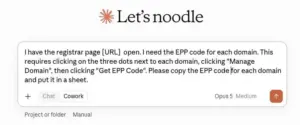
AI Automation Offers New Solution for Bulk Domain Transfer Authorization Challenges
The process of managing a large portfolio of domain names has long...







