
The incident highlights a broader trend in the cybersecurity world: the rise of supply chain attacks. Rather than targeting a single financial institution, attackers are increasingly focusing on the software providers and MSPs that serve dozens or hundreds of clients simultaneously. By hitting a single "hub" like Wellington IT, a malicious actor can gain access to a "spoke" network of numerous downstream organizations, vastly increasing the efficiency and impact of their campaign.
This vulnerability has not gone unnoticed by international regulators. The news of the Wellington IT breach coincides with the release of new guidance from UK financial regulators concerning the cyber resilience of financial institutions. This updated framework places a heavy emphasis on the necessity of auditing supply chain risks and understanding "downstream exposure." Regulators are now urging boards of directors to take a more proactive role in cybersecurity, moving it from a purely technical concern relegated to the IT department to a core governance responsibility.
The new regulatory stance underscores that responsibility for cybersecurity must sit with the board, and those board members must possess the capability to manage and oversee these risks effectively. For the credit union sector, which often relies on volunteer boards drawn from the local community, this presents a significant challenge. It necessitates a shift toward more professionalized oversight of technical vendors and a more rigorous approach to vendor risk management.
As the forensic investigation into the Wellington IT breach continues, the affected credit unions are working to reassure their members. Many have begun the process of notifying individuals whose data may have been included in the compromised payee lists. Security experts are advising members of the affected institutions to be hyper-vigilant regarding unsolicited communications, such as emails, text messages, or phone calls that appear to come from their credit union or other financial entities.
While the immediate threat of direct account draining seems to have been avoided due to the nature of the data stolen, the long-term risks of identity fraud remain a concern. The information taken—names linked to IBANs and addresses—provides a blueprint for "authorized push payment" (APP) fraud, where victims are tricked into sending money to a fraudulent account under the guise of a legitimate transaction.
For now, the Irish financial community remains on high alert. The Central Bank is expected to issue further directives to the credit union sector regarding the hardening of their third-party service agreements. The outcome of the Data Protection Commission’s investigation will also be closely watched, as it may result in significant fines or mandates for Wellington IT and the impacted institutions if they are found to have been in breach of data protection laws.
The event serves as a landmark case for the Irish credit union movement, highlighting that even the most community-focused and traditional institutions are not immune to the complexities and dangers of the global cyber-threat landscape. The focus now shifts from immediate crisis management to long-term systemic reform, ensuring that the digital foundations of Ireland’s financial services are as resilient as the communities they serve.
 Helpdesk & IT Service Management (ITSM)
TrendAI Integrates Nvidia Nemotron Models to Strengthen Data Sovereignty for Sovereign and Private Cloud Environments
In a significant move aimed at bridging the gap between cutting-edge generative...
 Helpdesk & IT Service Management (ITSM)
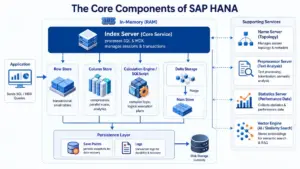
Decoding SAP HANA Architecture: How In-Memory Processing Redefines Enterprise Data Management
In the rapidly evolving landscape of enterprise technology, the ability to process...
 Helpdesk & IT Service Management (ITSM)
Former Sophos Chief Security Officer Simon Reed Joins Overe to Strengthen MSP Cybersecurity Strategy
The cybersecurity landscape for managed service providers (MSPs) and small-to-medium enterprises (SMEs)...







