
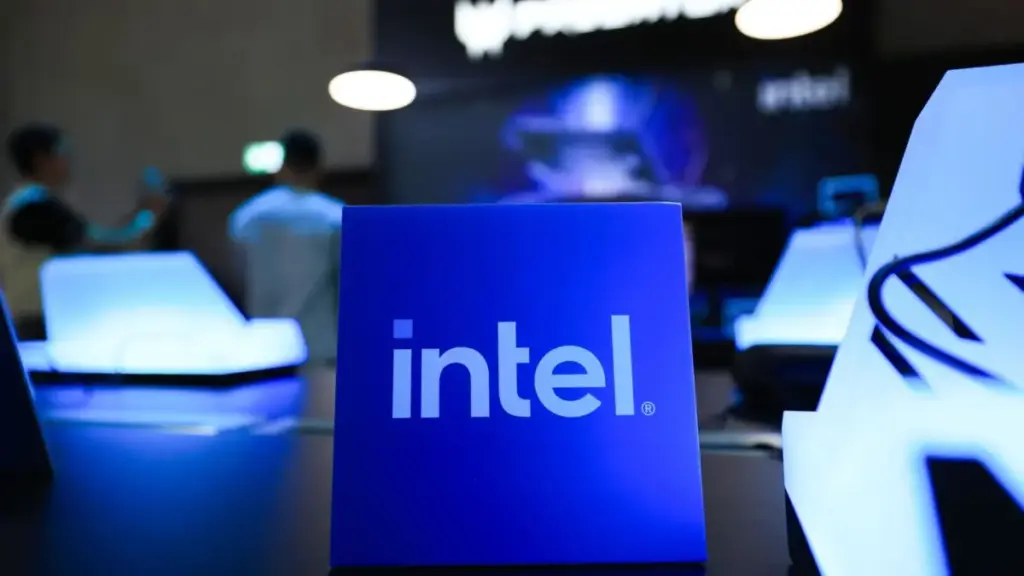
The decision to target IT specifically may reflect a broader shift toward automation and the consolidation of digital services. As Intel transitions toward its "IDM 2.0" model—which involves both manufacturing its own chips and acting as a foundry for outside customers—the company is forced to reconcile its internal costs with the lean operating models of competitors like TSMC. In this context, a sprawling, 53-country IT footprint may be viewed by leadership as a vestige of an older, less efficient era of the company. By streamlining these operations, the company hopes to redirect capital toward its fabrication plants (fabs) and the research and development necessary to catch up in the high-stakes artificial intelligence (AI) and server markets.
The influence of Lip-Bu Tan on these decisions cannot be understated. Known for his disciplined approach to semiconductor management and his success in turning around Cadence Design Systems, Tan was brought onto the Intel board to provide a "founder’s mentality" and a sharp focus on the bottom line. During his tenure, the company shifted away from various non-core businesses and began the painful process of right-sizing its massive employee base. While Tan recently departed the board, the momentum of the cost-cutting measures he advocated for appears to be continuing under Gelsinger’s direction. The 27,800-person reduction recorded during this period serves as a testament to the urgency with which Intel is attempting to reinvent itself.
For the employees remaining at Intel, the atmosphere is one of continued uncertainty. The semiconductor industry is notoriously cyclical, but Intel’s current challenges are compounded by structural shifts in the market. The company is facing intense pressure from NVIDIA in the AI sector and a resurgent AMD in the traditional data center and PC markets. These competitive pressures have forced Intel to make difficult choices regarding its capital allocation. Earlier this year, the company announced a massive $10 billion cost-reduction plan, which included a 15% reduction in total headcount. The current IT layoffs appear to be a subset of this larger, ongoing effort to reach that $10 billion goal by 2025.
The logistical challenge of implementing layoffs across 53 different countries is significant. Labor laws vary wildly from the United States to Europe and Asia, often requiring lengthy consultation periods with labor unions and local governments. This complexity often results in "rolling" layoffs that can last for weeks or months, contributing to a sense of "wait-and-see" among the global workforce. By targeting the IT organization, Intel is essentially looking at its internal service providers, seeking ways to do more with less through centralized management and potentially outsourced services.
Despite the heavy focus on personnel cuts, Intel is simultaneously investing billions into new manufacturing facilities in the United States, Ireland, and Germany. This creates a striking dichotomy: the company is shedding thousands of jobs in administrative, IT, and support roles while aggressively recruiting for specialized engineering and manufacturing positions to staff its future fabs. This pivot is essential for the company’s survival as a major player in the foundry business, but it requires a radical cultural and operational shift that has proven painful for the existing workforce.
 Hardware Reviews & PC Building
Brazilian lawyers busted for attempting to manipulate court’s AI with prompt injection hidden in filing —…
The discovery was brought to public attention by Professor Vladimir Aras of...
 Hardware Reviews & PC Building
Mysterious AMD Zen 6 APU with 24GB of LPDDR5 memory appears in benchmarks — chip may be for next-gen Steam Deck or…
The listing reveals an engineering sample identified by the part number 100-000001930-12_Y....
 Hardware Reviews & PC Building
TSMC reportedly weighs 20% CoWoS price increase as Nvidia Blackwell and Rubin chips put pressure on packaging capacity…
The reported price adjustment reflects a complex interplay of market forces, including...







