
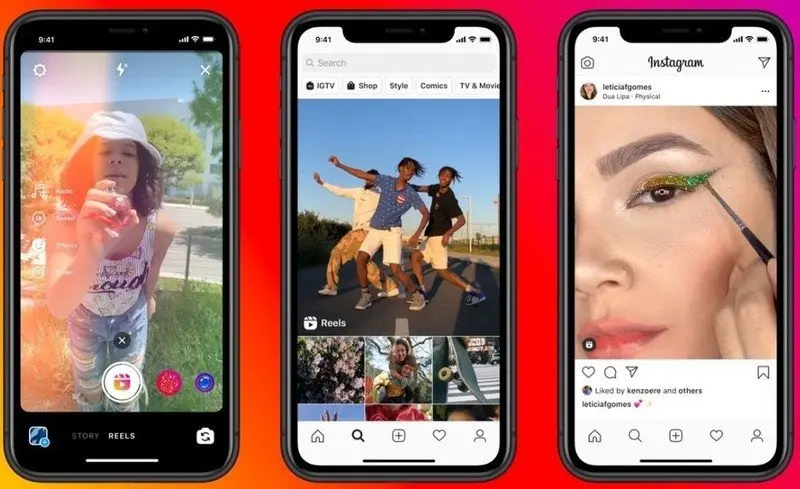
The rollout of "Features" is not a global, instantaneous launch. Instead, Instagram is adopting a measured approach, with many of these new capabilities set to roll out in a testing phase over the next month. This limited release will allow the platform to gather feedback from a diverse group of creators and viewers before committing to a wider distribution.
Mosseri was transparent about the fact that the project is in its infancy. "It’s early, and we’re testing and listening to feedback as we go," he stated. This iterative process is designed to ensure that the introduction of widescreen video doesn’t alienate the platform’s existing user base, which has, at times, reacted negatively to perceived attempts by Instagram to mimic other apps.
For the lucky users who find themselves part of the initial testing group, the experience will likely involve new UI elements that allow for the rotation of the phone or a dedicated section of the app for discovering longer videos. The platform intends to expand availability gradually, ensuring that the infrastructure can handle the increased data demands of high-definition, long-form video.
A Long Way to Go
While the announcement of "Features" is a bold step, Instagram faces a long road ahead in its quest to become a true destination for long-form content. The platform is entering a space that has been dominated for nearly two decades by YouTube, and more recently, challenged by TikTok’s own expansion into longer video durations.
The success of Instagram for TV will be a major factor in this journey. The partnership with Amazon for Fire TV was a signal of intent, allowing users to sign in to multiple accounts and scroll through content on their largest home screens. However, that experience was built primarily around the vertical Reels format. For Instagram to truly thrive in the living room, it needs content that feels at home on a 65-inch 4K display. "Features" is the answer to that need.
As the testing phase begins, the industry will be watching to see if Instagram can successfully pivot once again. The platform has a history of adaptation—moving from a filtered photo app to a Snapchat-style Stories platform, and then to a TikTok-style Reels platform. Each of these transitions was met with initial skepticism, yet each eventually became a pillar of the Instagram experience.
The move toward widescreen, long-form content is perhaps the most significant "identity" challenge the app has faced yet. It requires not just a change in the algorithm, but a change in how users hold their phones and how they perceive the app’s purpose. Whether Instagram can maintain its "friend connection" while becoming a hub for cinematic, widescreen storytelling remains to be seen, but with "Features," the platform is officially betting its future on the idea that it can do both.
 Mobile Device Management (MDM) & Mobile OS
Google Explores Enhanced Security for Chrome on Android with Biometric Password Reauthentication
The convenience of modern mobile browsing often rests on a delicate balance...
 Mobile Device Management (MDM) & Mobile OS
Motorola Signals a High-End Return to North America with the Snapdragon-Powered Signature 27
At the recent Snapdragon Summit hosted by Qualcomm, an event typically dominated...
 Mobile Device Management (MDM) & Mobile OS
Samsung Reportedly Planning Massive Foldable Expansion for 2027 with Tri-Fold and Rollable Concepts
The landscape of the smartphone market has undergone a radical transformation over...







