
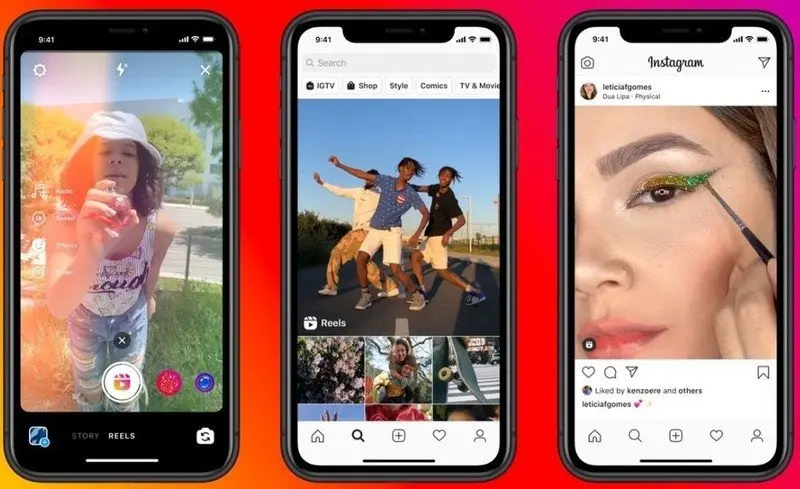
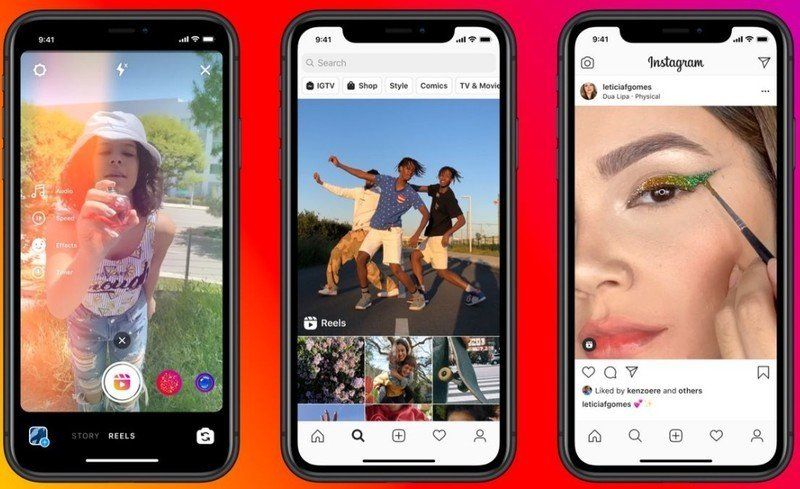
This symbiotic relationship is essential for the platform’s health. If long-form content exists in a vacuum, it risks fragmenting the user base. However, if integrated correctly, it could increase the total time spent on the app while providing creators with more tools for monetization and audience retention. Lyons was careful to reiterate that Reels—the short, vertical videos that have become Instagram’s primary engine of growth in recent years—will remain "at the core" of the platform. The "Features" initiative is viewed as an expansion of the platform’s boundaries rather than a relocation of its center.
As part of this expansion, Instagram is also looking at how long-form content interacts with other established features, such as Instagram Live. The platform is currently exploring how these various formats can live side-by-side without creating a cluttered or confusing user experience. This delicate balancing act is the primary reason why the rollout of "Features" is being handled with caution.
The Living Room Strategy: Instagram for TV
A critical component of the move toward widescreen content is Instagram’s presence in the living room. Mosseri specifically mentioned that this new format is destined not just for mobile devices, but for the platform’s TV applications. This is a significant development in the "Instagram for TV" saga, which saw a major milestone in late 2025 when Meta collaborated with Amazon to bring a dedicated Instagram experience to Fire TV devices.
The transition to the big screen has provided Instagram with invaluable data regarding user behavior. On a television, the traditional vertical format of Reels often leaves large portions of the screen empty, creating a less-than-optimal viewing experience. Widescreen content, by contrast, is native to the television environment. However, the move to the TV screen has also highlighted the very dilemma Mosseri originally feared: the loss of social connectivity.
In the video discussion, Mosseri pointed out that when users watch Instagram content on a television, the traditional metrics of engagement—likes, comments, and shares—tend to drop. This isn’t necessarily because the content is less engaging, but because the context of consumption has changed. When a family or a group of friends sits together in a living room to watch videos on a TV, they are sharing the experience in real-time, in the physical world. There is less of a psychological need to hit a "share" button or send a Direct Message when the person you would share it with is sitting right next to you.
This shift in engagement patterns is something the "Features" team is watching closely. As Instagram pushes further into the territory of long-form, widescreen video, it must reconcile the fact that "success" might look different in a lean-back environment than it does on a mobile feed. The platform is currently in a phase of testing and listening, trying to determine how to value content that is consumed socially in a physical space rather than digitally through the app’s interface.
Testing, Feedback, and the Road Ahead
 Mobile Device Management (MDM) & Mobile OS
Samsung Reportedly Shifts Strategy Toward Premium Devices as Rising Component Costs Squeeze Budget Smartphone Margins
Samsung Electronics, the world’s largest smartphone manufacturer by volume, is reportedly preparing...
 Mobile Device Management (MDM) & Mobile OS
Xiaomi 18 Fold Review: A Masterclass in Hardware Engineering Shackled by Software Borders
The trajectory of the foldable smartphone market has, for several years, been...
 Mobile Device Management (MDM) & Mobile OS
Spotify Expands AI DJ Experience with Diverse New Voice Personas and Enhanced Commentary Controls
In the rapidly evolving landscape of digital music streaming, few features have...







