
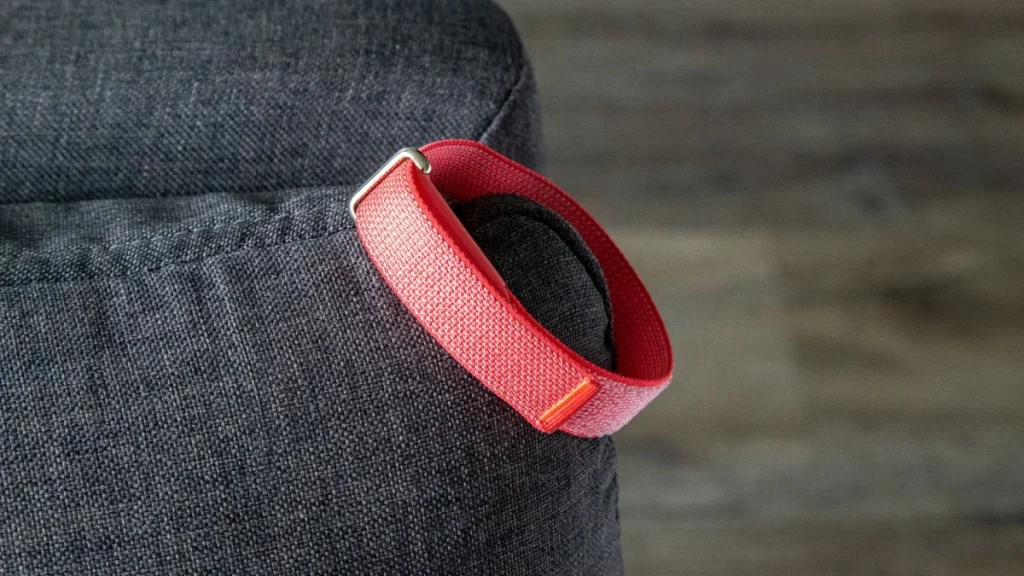
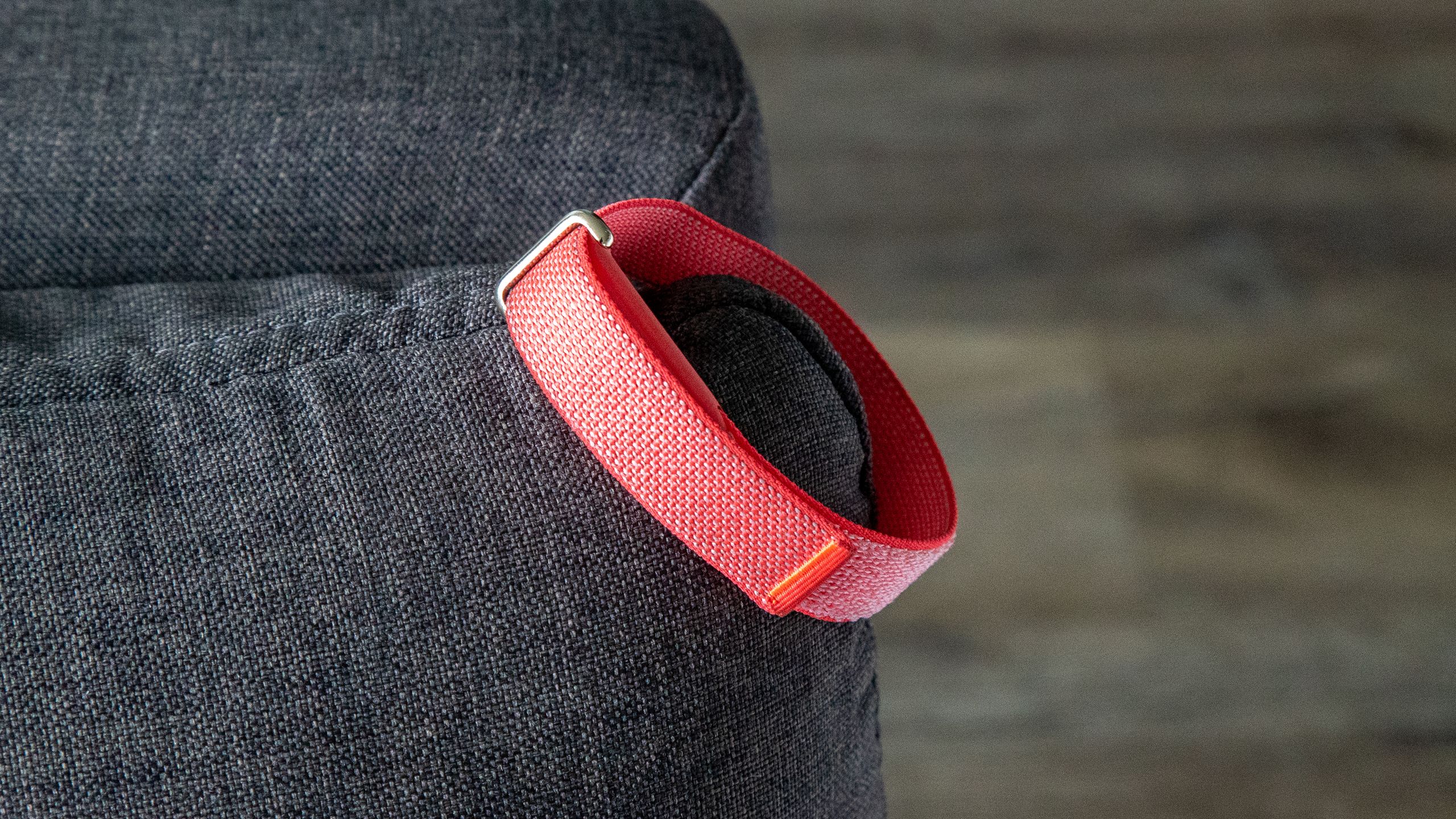
The landscape of the wearable technology market is undergoing a significant shift as Google continues to refine its hardware strategy following the acquisition of Fitbit. Recent developments suggest that the search giant is not content with simply offering a high-end smartwatch and a minimalist fitness tracker. Instead, Google appears to be moving toward a more comprehensive ecosystem that caters to a wider variety of user needs and price points. The latest evidence of this strategy comes in the form of a substantial leak regarding a new device reportedly named the Fitbit Edge.
Following the commercial and critical success of the Fitbit Air, Google’s ultra-affordable, screenless wearable, the company is now looking to fill the substantial functional and price gap that exists between that entry-level device and the premium Pixel Watch series. The Fitbit Air, launched at a competitive $99 price point, carved out a niche for itself by offering essential health insights and a discrete design that appealed to users who preferred the look of traditional jewelry or who simply wanted to track their data without the distraction of a wrist-mounted screen. However, for many consumers, the jump from a screenless tracker to a full-featured Wear OS smartwatch is too steep, both in terms of cost and complexity.
According to a series of marketing renders and details recently published by Android Headlines, the Fitbit Edge is designed to be the bridge for those users. This new wearable represents a return to a more traditional fitness tracker form factor, albeit one that has been modernized to fit within Google’s current design language. The leaked information provides a clear look at what consumers can expect from Google’s next major release in the fitness category, suggesting a device that balances high-end aesthetics with practical, health-focused functionality.
A Modern Design for a New Generation of Trackers
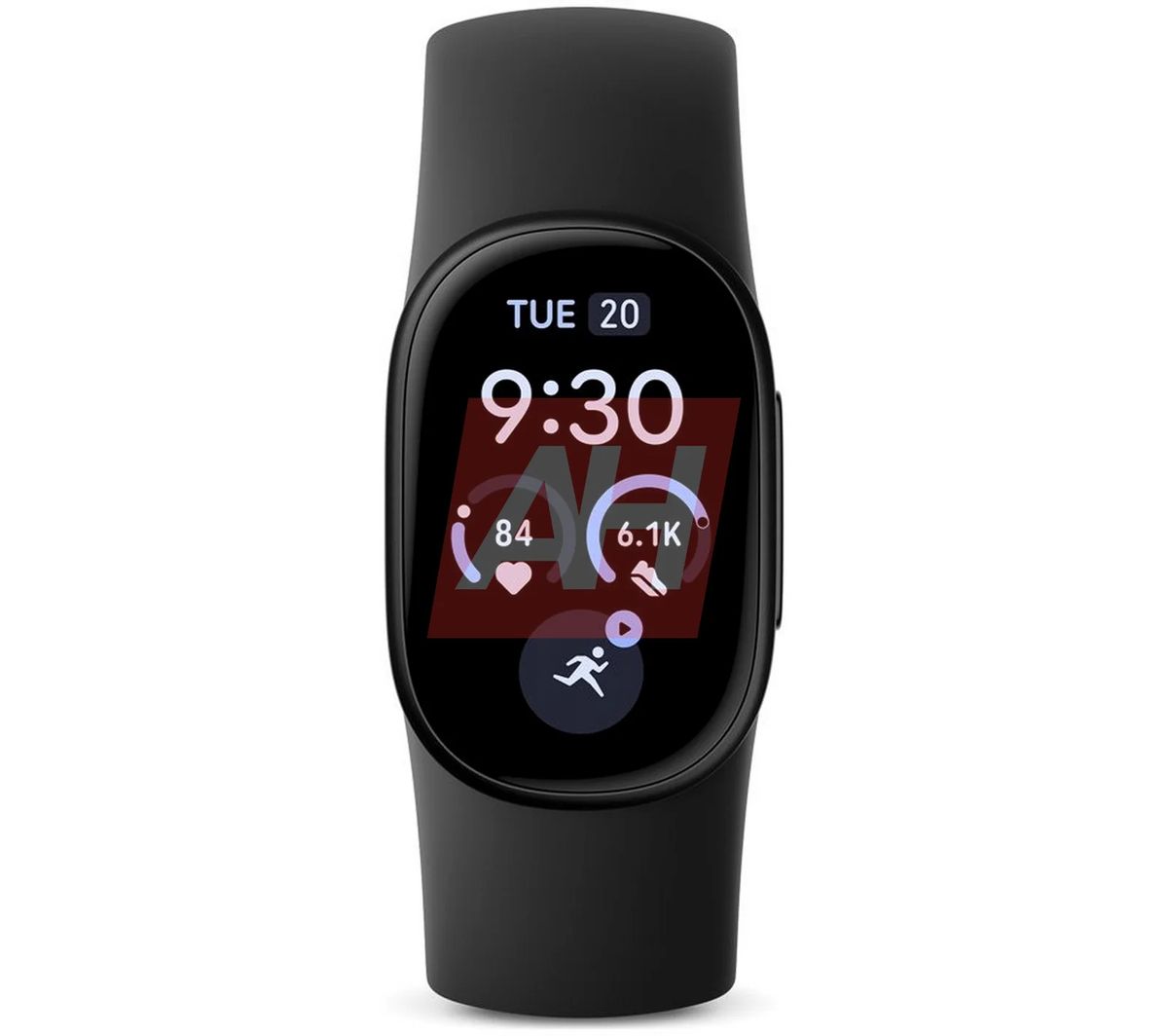
The leaked marketing renders of the Fitbit Edge reveal a device that moves away from the strictly rectangular design of previous Fitbit trackers, such as the Charge 6, and moves toward a more organic, oval-shaped aesthetic. While it retains the slim profile expected of a fitness tracker, the inclusion of a dedicated display immediately sets it apart from the Fitbit Air. This screen, though smaller than the circular face of a Pixel Watch, is clearly designed to provide at-a-glance information that the screenless Air cannot.
Based on the leaked watch faces, the Fitbit Edge will utilize its display to show a variety of essential metrics. These include the standard time and date, but also real-time heart rate data and step counts. Perhaps most importantly for active users, the interface appears to include a dedicated quick-start button for workouts, allowing users to begin tracking their exercise sessions with a single tap rather than navigating through complex menus. This suggests a user interface that is streamlined and focused on the core fitness experience.
The hardware itself features a physical button on either side of the tracker’s casing. This dual-button setup is a departure from some of the more capacitive-heavy designs of the past and likely offers a more tactile, reliable way to navigate the device during intense physical activity or when wearing gloves. On the underside of the device, a familiar sensor array is visible. While it bears a strong resemblance to the hardware found on the Fitbit Air, industry observers speculate that the Edge may include additional sensors to support more advanced health metrics, potentially matching the capabilities of the aging Fitbit Charge series.
In a move that further integrates the Fitbit brand into the broader Google hardware family, the Fitbit Edge is shown in three distinct colorways: Obsidian, Olive, and Canyon. These finishes are not accidental; they directly mirror the color palette introduced with the Pixel 11 Pro series. This aesthetic alignment suggests that Google is increasingly viewing Fitbit devices not as standalone products, but as essential accessories for the Pixel smartphone ecosystem, encouraging brand loyalty through a cohesive visual identity.
Functionality and Ecosystem Integration
One of the most significant revelations from the leak concerns the software capabilities of the Fitbit Edge. While it does not appear to be running a full version of Wear OS—the power-hungry operating system found on the Pixel Watch—it will reportedly offer several "smart" features that elevate it above a basic pedometer. The Edge is expected to support notifications and integrated features from core Google services, including Google Maps and YouTube Music.
The inclusion of Google Maps integration is particularly noteworthy for a device of this size. It suggests that users may be able to receive turn-by-turn navigation prompts directly on their wrist during walks or bike rides, reducing the need to constantly check a smartphone. Similarly, YouTube Music controls would allow for seamless playback management during workouts. The device is also expected to include a "Find My Phone" feature, a staple of modern wearables that adds a layer of daily convenience.
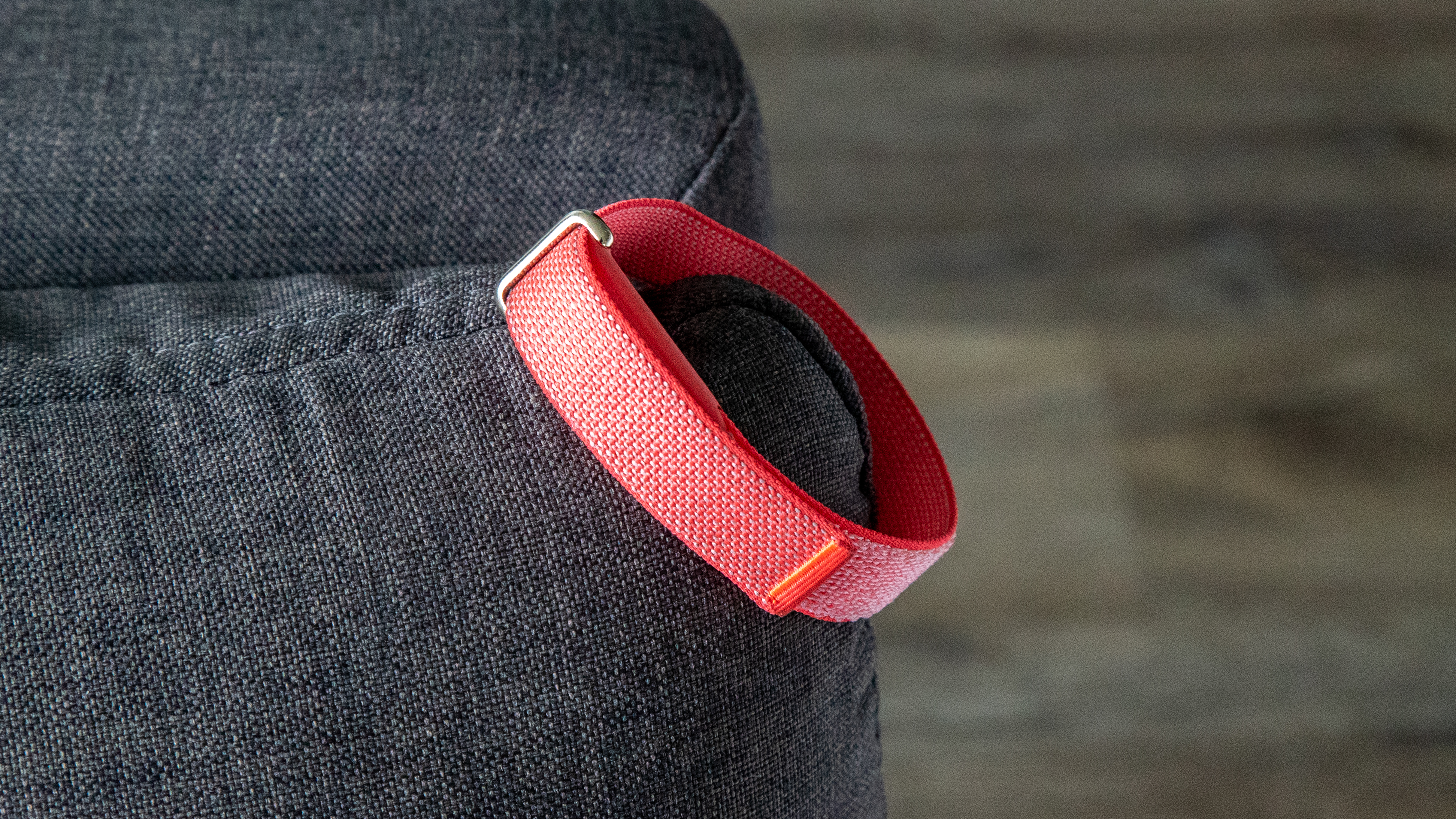
While it is currently unclear if the Fitbit Edge will support notifications from third-party applications such as WhatsApp or Telegram, the inclusion of Google’s own services points toward a device that is much more capable than the Fitbit Air. However, unlike the Pixel Watch, which is strictly tied to the Android ecosystem, the Fitbit Edge is expected to maintain Fitbit’s traditional cross-platform compatibility. Reports indicate that the tracker will support both Android and iOS, making it an attractive option for iPhone users who prefer the Fitbit health platform over the Apple Watch.
Battery Life and Market Positioning
For many wearable users, battery life remains the primary pain point. Smartwatches like the Pixel Watch 5 offer incredible functionality but often require daily charging. The Fitbit Edge aims to solve this by reportedly offering up to seven days of battery life on a single charge. This matches the endurance of the screenless Fitbit Air and far exceeds that of any full-featured smartwatch. By opting for a more power-efficient display and a dedicated operating system, Google is positioning the Edge as a "set it and forget it" device that can reliably track sleep and daily activity for a full week.
In terms of market positioning, the Fitbit Edge is clearly intended to be the mid-range hero of Google’s wearable lineup. With the Fitbit Air occupying the $99 entry-level slot and the Pixel Watch 5 serving as the premium flagship, the Edge fills a void for consumers who want more than the basics but aren’t ready to commit to the $300+ price tag or the battery limitations of a high-end smartwatch.
While official pricing has not yet been confirmed, industry analysts and the original leak source suggest a price point between $149 and $199. At this level, the Fitbit Edge would act as a direct successor to the Fitbit Charge 6, which has long been a staple of the fitness tracking market. By rebranding and redesigning the device under the "Edge" moniker, Google may be signaling a fresh start for Fitbit’s high-end trackers, moving them closer to the design language and software standards of the Pixel era.
The Path Forward for Google and Fitbit
The emergence of the Fitbit Edge comes at a pivotal time for Google’s wearable division. Since the acquisition of Fitbit was finalized, Google has been carefully balancing the integration of Fitbit’s world-class health tracking technology into its own Pixel Watch while maintaining the loyal user base that prefers the simpler, more focused Fitbit hardware.
The success of the Fitbit Air demonstrated that there is still a massive appetite for devices that prioritize health data over app ecosystems. However, the lack of a screen on the Air was a dealbreaker for many who rely on their wearable for timekeeping and basic notifications. The Fitbit Edge appears to be the direct response to that feedback—a device that retains the week-long battery life and health-first focus of a traditional tracker while adding the modern conveniences of a high-quality display and Google service integration.
The timing of the leak suggests that an official announcement is imminent. Reports indicate that Google is preparing to launch the Fitbit Edge as early as late this month. If these timelines hold true, the Edge will arrive just in time to capture the interest of consumers looking for a balanced wearable heading into the latter half of the year.
As Google continues to consolidate its hardware offerings, the Fitbit Edge represents a significant step in the evolution of the brand. It is a device that acknowledges the heritage of Fitbit’s fitness-tracking dominance while embracing the future of Google’s software and design expertise. For users who find themselves caught between the simplicity of a basic band and the complexity of a smartwatch, the Fitbit Edge may provide the precise middle ground they have been waiting for.
 Mobile Device Management (MDM) & Mobile OS
Community-Led Discovery Unearths Workaround to Restore Legacy Google Assistant Experience on Android Devices
The landscape of mobile artificial intelligence shifted significantly last month when Google...
 Mobile Device Management (MDM) & Mobile OS
Amazon Slashes Samsung Galaxy S26 Ultra Price by $450 Following Recent Market Adjustments
In a surprising turn of events for the mobile industry, the Samsung...
 Mobile Device Management (MDM) & Mobile OS
Google Releases Android 17 QPR3 Beta 1 for Pixel Devices, Targeting Key Performance Issues and System Stability
Google has officially initiated the next phase of its software testing cycle...






