
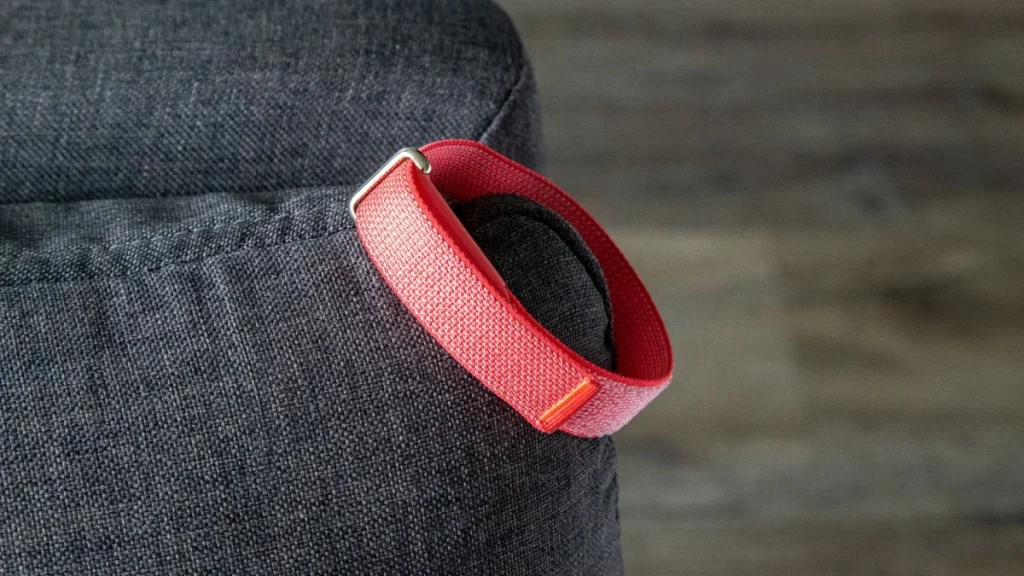
In a move that further integrates the Fitbit brand into the broader Google hardware family, the Fitbit Edge is shown in three distinct colorways: Obsidian, Olive, and Canyon. These finishes are not accidental; they directly mirror the color palette introduced with the Pixel 11 Pro series. This aesthetic alignment suggests that Google is increasingly viewing Fitbit devices not as standalone products, but as essential accessories for the Pixel smartphone ecosystem, encouraging brand loyalty through a cohesive visual identity.
Functionality and Ecosystem Integration
One of the most significant revelations from the leak concerns the software capabilities of the Fitbit Edge. While it does not appear to be running a full version of Wear OS—the power-hungry operating system found on the Pixel Watch—it will reportedly offer several "smart" features that elevate it above a basic pedometer. The Edge is expected to support notifications and integrated features from core Google services, including Google Maps and YouTube Music.
The inclusion of Google Maps integration is particularly noteworthy for a device of this size. It suggests that users may be able to receive turn-by-turn navigation prompts directly on their wrist during walks or bike rides, reducing the need to constantly check a smartphone. Similarly, YouTube Music controls would allow for seamless playback management during workouts. The device is also expected to include a "Find My Phone" feature, a staple of modern wearables that adds a layer of daily convenience.
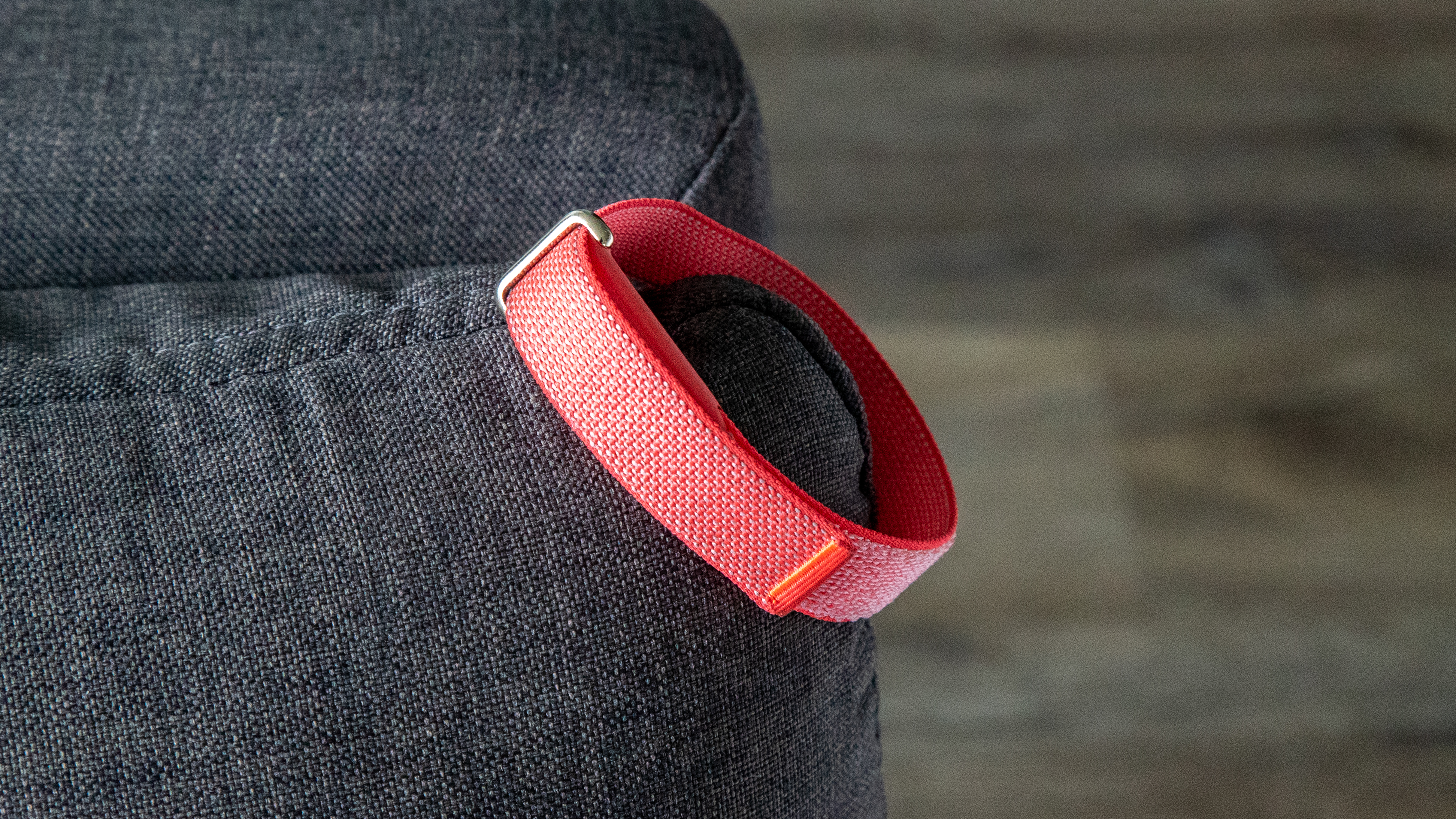
While it is currently unclear if the Fitbit Edge will support notifications from third-party applications such as WhatsApp or Telegram, the inclusion of Google’s own services points toward a device that is much more capable than the Fitbit Air. However, unlike the Pixel Watch, which is strictly tied to the Android ecosystem, the Fitbit Edge is expected to maintain Fitbit’s traditional cross-platform compatibility. Reports indicate that the tracker will support both Android and iOS, making it an attractive option for iPhone users who prefer the Fitbit health platform over the Apple Watch.
Battery Life and Market Positioning
For many wearable users, battery life remains the primary pain point. Smartwatches like the Pixel Watch 5 offer incredible functionality but often require daily charging. The Fitbit Edge aims to solve this by reportedly offering up to seven days of battery life on a single charge. This matches the endurance of the screenless Fitbit Air and far exceeds that of any full-featured smartwatch. By opting for a more power-efficient display and a dedicated operating system, Google is positioning the Edge as a "set it and forget it" device that can reliably track sleep and daily activity for a full week.
In terms of market positioning, the Fitbit Edge is clearly intended to be the mid-range hero of Google’s wearable lineup. With the Fitbit Air occupying the $99 entry-level slot and the Pixel Watch 5 serving as the premium flagship, the Edge fills a void for consumers who want more than the basics but aren’t ready to commit to the $300+ price tag or the battery limitations of a high-end smartwatch.
 Mobile Device Management (MDM) & Mobile OS
Amazon Slashes Samsung Galaxy S26 Ultra Price by $450 Following Recent Market Adjustments
In a surprising turn of events for the mobile industry, the Samsung...
 Mobile Device Management (MDM) & Mobile OS
Meta Enhances Creator Toolkit with AI-Powered Edits Assistant for Instagram Performance Analysis
In an era where the creator economy is increasingly driven by data-driven...
 Mobile Device Management (MDM) & Mobile OS
Meowdoku: How a Cat-Themed Logic Puzzle Became a Viral Sensation Despite an Exhausting Ad Experience
In the modern digital landscape, the mobile gaming market is increasingly saturated...






