
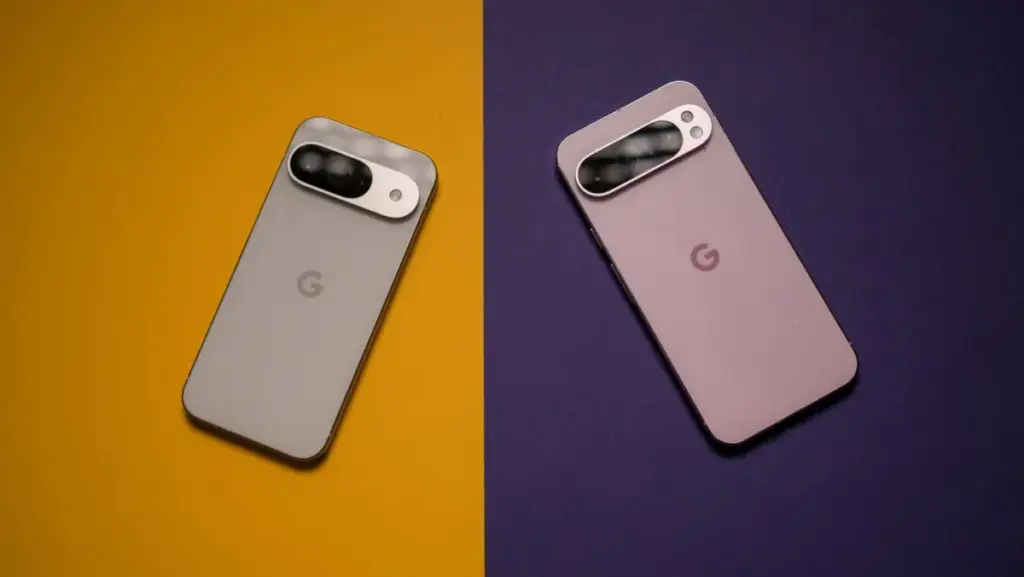
In a move that offers both immediate relief and long-term ambiguity for its latest flagship users, Google has officially extended the complimentary period for its Satellite SOS service on the Pixel 9 series. The decision adds an additional year of free access to the emergency connectivity suite, pushing the expiration of the "free trial" phase further into the future and delaying the conversation regarding how much users might eventually have to pay for life-saving connectivity in remote areas.
The extension comes at a pivotal moment for the smartphone industry, as manufacturers grapple with the logistical and financial challenges of maintaining non-terrestrial network (NTN) services. Google confirmed the policy shift following inquiries regarding its long-term roadmap for the feature. A company spokesperson noted that the offering has been extended at no additional cost for one additional year, though the company declined to provide further specifics on what the landscape might look like once this new window closes.
Originally, when the Pixel 9 series debuted earlier in 2024, the service was marketed with a standard two-year window of free access. With this update, owners of compatible Pixel 9 devices can now expect at least three years of coverage before the threat of a subscription fee becomes a reality. While the news is undoubtedly positive for consumers, it highlights a broader industry trend where essential safety features are being positioned as potential recurring revenue streams.
The Mechanics of Emergency Connectivity
Satellite SOS is designed as a fail-safe for the most dire circumstances. For the average smartphone user, cellular networks and Wi-Fi provide a seamless blanket of connectivity. However, for hikers, rural travelers, and those living in regions prone to natural disasters, "dead zones" remain a persistent danger. In these scenarios, when traditional cell towers are out of reach or rendered inoperable, Satellite SOS allows the device to communicate directly with low-earth orbit satellites.
The feature allows users to contact emergency services and share their precise GPS coordinates. Because satellite communication requires a clear line of sight and significant power, the process is different from sending a standard text message. Pixel 9 users are guided by an on-screen interface that helps them orient their device toward a passing satellite. Once a connection is established, the phone sends a compressed data packet containing the user’s location and the nature of their emergency to specialized dispatchers, who then coordinate with local search and rescue teams.
This capability is not merely a software trick; it is deeply integrated into the hardware of the Pixel 9 family. The functionality is powered by the Google Tensor G4 chipset, which includes the Exynos 5400 modem. This specific modem is built to support the 3GPP Release 17 standards for non-terrestrial networks, allowing the hardware to "talk" to satellites in a way that previous generations of Pixel phones simply cannot.
Supported Devices and Regional Limitations
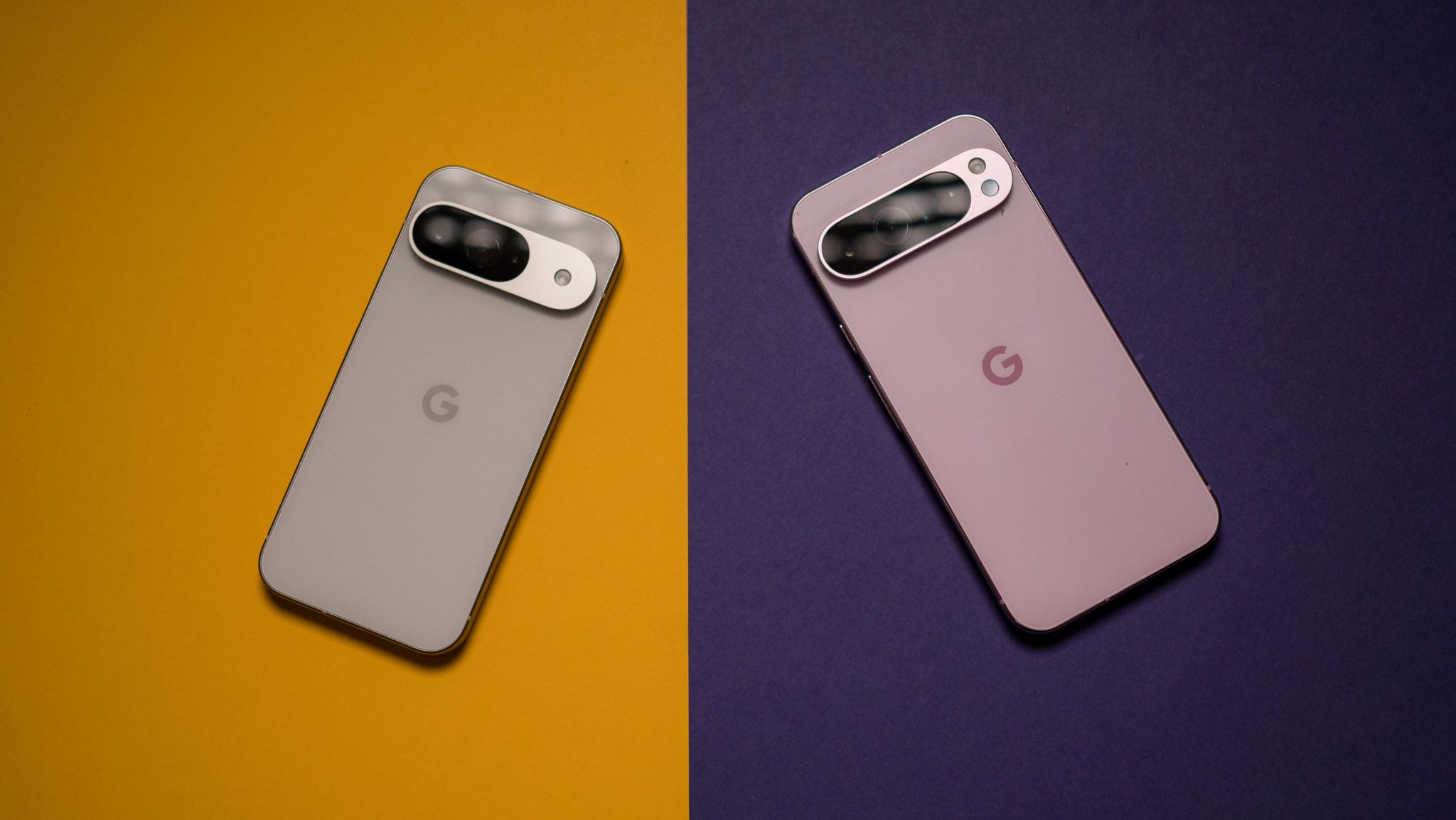
Despite the extension of the free period, the availability of Satellite SOS remains tiered within the Google ecosystem. The service is currently limited to the premium entries in the latest lineup, specifically the Pixel 9, Pixel 9 Pro, Pixel 9 Pro XL, and the Pixel 9 Pro Fold.
Notably absent from this list is the Pixel 9a. While the "A" series is traditionally designed to offer a "greatest hits" version of the flagship experience at a lower price point, the exclusion of Satellite SOS suggests that the hardware required for satellite handshakes remains a significant cost driver that Google is not yet ready to subsidize for its mid-range devices.
Furthermore, the service is bound by geographical and regulatory constraints. Satellite SOS requires agreements with satellite providers and local emergency response infrastructures. As such, the feature is only available in supported regions, and its efficacy can be impacted by terrain, such as deep canyons or dense forest canopies, which may obstruct the signal to the sky.
The Growing Trend of "Safety-as-a-Service"
Google’s decision to extend the free period mirrors a strategy first seen with Apple. When Apple introduced Emergency SOS via Satellite with the iPhone 14 in 2022, it also promised two years of free service. As that deadline approached for early adopters, Apple similarly extended the window, effectively kicking the "subscription" can down the road.
This hesitance to begin charging for satellite access suggests that tech giants are walking a fine line. On one hand, maintaining a satellite network—or more accurately, leasing bandwidth from providers like Skylo or Globalstar—is incredibly expensive. On the other hand, charging a monthly fee for a service that a user might only need once in a decade—or never at all—is a difficult sell. More importantly, there is a significant public relations risk: the optics of a user being unable to call for help during a life-threatening emergency because their "Safety Subscription" lapsed is a nightmare scenario for any brand.
By extending the free period, Google is likely gathering more data on how often the service is used and how much it costs to maintain. It also keeps the Pixel 9 competitive with the iPhone, ensuring that Google users don’t feel they are being charged for a feature that their counterparts in the iOS ecosystem are still getting for free.
The Uncertainty of Future Pricing
While Pixel 9 owners can breathe a sigh of relief for now, the long-term future of Satellite SOS remains shrouded in mystery. Google has been careful not to commit to a "free forever" model. In its official technical specifications and marketing materials, the company continues to refer to the initial free period, suggesting that a transition to a paid model is still the ultimate goal.
There are several directions Google could take once the three-year window expires. The service could be folded into the Google One subscription tiers, providing added value to those already paying for cloud storage and Gemini AI features. Alternatively, Google could offer a "pay-per-use" model or a low-cost annual "insurance" fee specifically for the satellite link.
For the time being, Google is maintaining a tight lid on these possibilities. When asked for details regarding future pricing or the logic behind the one-year extension, the company remained tight-lipped, offering no further information beyond the confirmation of the extension itself.
A Critical Tool for Modern Exploration
The importance of this technology cannot be overstated for the outdoor community. Before the advent of smartphone-integrated satellite messaging, adventurers had to rely on dedicated, expensive devices like the Garmin inReach or specialized satellite phones. These devices often require their own separate, costly subscriptions and represent an extra piece of gear to carry and charge.
By integrating this technology directly into the smartphone—the one device almost everyone carries—Google and other manufacturers have democratized access to emergency rescue. The Pixel 9’s ability to act as a beacon in the wilderness transforms it from a mere communication and entertainment hub into a genuine survival tool.
As the industry moves forward, the success of Satellite SOS will likely depend on how Google balances the high costs of satellite bandwidth with the ethical and practical demands of providing an emergency service. For now, the extra year of free access is a welcome gesture that ensures Pixel 9 owners stay connected to help, even when they are miles away from the nearest cell tower. However, as the new expiration date eventually nears, the industry will be watching closely to see if Google finally puts a price tag on peace of mind.
 Mobile Device Management (MDM) & Mobile OS
Anthropic Introduces Claude Duet: A Proactive AI Agent Designed to Transform Professional Workflows
Anthropic, the artificial intelligence research company often recognized for its safety-first approach...
 Mobile Device Management (MDM) & Mobile OS
Samsung Expands U.S. Ecosystem with Official Launch of Galaxy SmartTag 3 and Open-Ear Galaxy Buds On
Samsung has officially bolstered its presence in the American wearables and accessories...
 Mobile Device Management (MDM) & Mobile OS
Google Announces Inaugural Play Fest: A Week-Long Global Celebration of Apps, Gaming, and Rewards
In a significant move to deepen user engagement within its digital ecosystem,...







