
Supported Devices and Regional Limitations
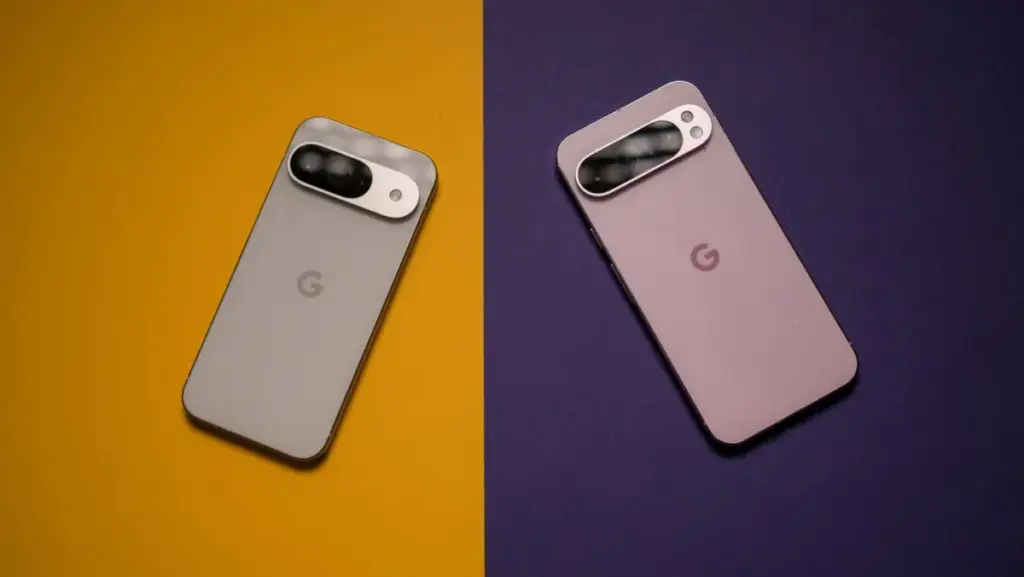
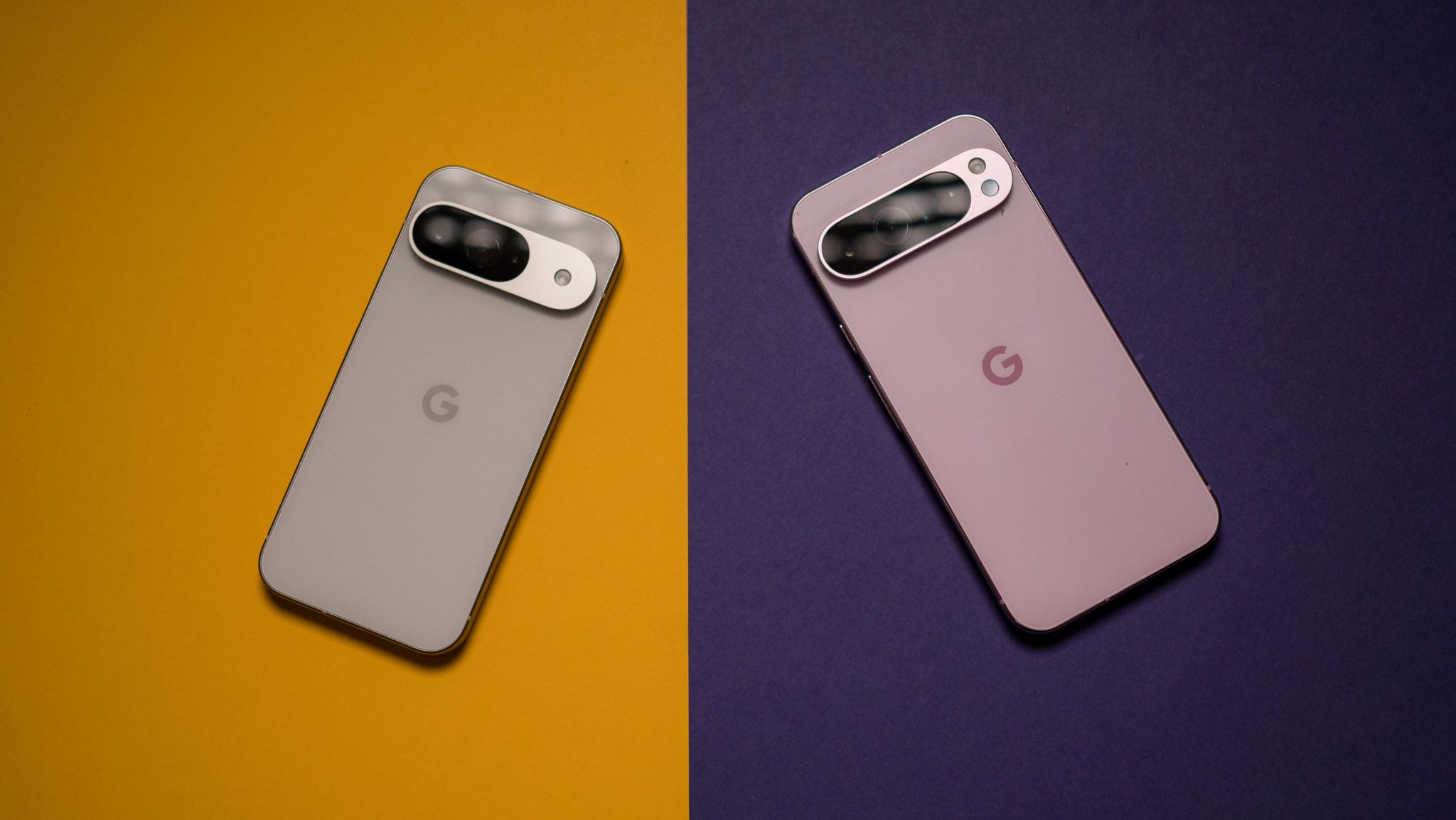
Despite the extension of the free period, the availability of Satellite SOS remains tiered within the Google ecosystem. The service is currently limited to the premium entries in the latest lineup, specifically the Pixel 9, Pixel 9 Pro, Pixel 9 Pro XL, and the Pixel 9 Pro Fold.
Notably absent from this list is the Pixel 9a. While the "A" series is traditionally designed to offer a "greatest hits" version of the flagship experience at a lower price point, the exclusion of Satellite SOS suggests that the hardware required for satellite handshakes remains a significant cost driver that Google is not yet ready to subsidize for its mid-range devices.
Furthermore, the service is bound by geographical and regulatory constraints. Satellite SOS requires agreements with satellite providers and local emergency response infrastructures. As such, the feature is only available in supported regions, and its efficacy can be impacted by terrain, such as deep canyons or dense forest canopies, which may obstruct the signal to the sky.
The Growing Trend of "Safety-as-a-Service"
Google’s decision to extend the free period mirrors a strategy first seen with Apple. When Apple introduced Emergency SOS via Satellite with the iPhone 14 in 2022, it also promised two years of free service. As that deadline approached for early adopters, Apple similarly extended the window, effectively kicking the "subscription" can down the road.
This hesitance to begin charging for satellite access suggests that tech giants are walking a fine line. On one hand, maintaining a satellite network—or more accurately, leasing bandwidth from providers like Skylo or Globalstar—is incredibly expensive. On the other hand, charging a monthly fee for a service that a user might only need once in a decade—or never at all—is a difficult sell. More importantly, there is a significant public relations risk: the optics of a user being unable to call for help during a life-threatening emergency because their "Safety Subscription" lapsed is a nightmare scenario for any brand.
By extending the free period, Google is likely gathering more data on how often the service is used and how much it costs to maintain. It also keeps the Pixel 9 competitive with the iPhone, ensuring that Google users don’t feel they are being charged for a feature that their counterparts in the iOS ecosystem are still getting for free.
 Mobile Device Management (MDM) & Mobile OS
Amazon Expands Smart Home Ecosystem with AI-Powered Echo Devices and High-Resolution Echo Show 16
In a significant expansion of its ambient intelligence ecosystem, Amazon has unveiled...
 Mobile Device Management (MDM) & Mobile OS
Samsung Reportedly Planning Massive Foldable Expansion for 2027 with Tri-Fold and Rollable Concepts
The landscape of the smartphone market has undergone a radical transformation over...
 Mobile Device Management (MDM) & Mobile OS
YouTube Premium Reportedly Eyes Audiobook Expansion as Google Seeks to Rival Spotify and Audible
The digital streaming landscape is on the verge of another significant shift...







