

“The global technology supply chain is too interconnected, and many critical dependencies cannot be replaced at a commercially viable scale,” Tratz-Ryan explained. This assessment aligns with findings from a Capgemini survey conducted in September, which revealed a significant gap between the aspirations of organizations and their practical expectations. While nearly half of global organizations now view digital sovereignty as a board-level priority, 59% of respondents admitted that they believe fully achieving this goal is unrealistic.
The challenges cited by these organizations are multifaceted. Beyond the sheer complexity of the global supply chain, there is the issue of migration timelines. Moving away from a deeply embedded technology provider can take years, if not decades, of work and billions of dollars in investment. In many sectors, there are simply no viable domestic alternatives to the services provided by global tech giants. For many nations, the choice is not between a foreign provider and a domestic one, but between a foreign provider and no service at all.
Forrester principal analyst Dario Maisto has previously expressed similar skepticism, suggesting that true tech sovereignty might be a "bridge too far" for Europe. Factors such as macroeconomic capabilities, the lack of a venture capital ecosystem comparable to Silicon Valley, and the existing lead held by established global players create a high barrier to entry for any new sovereign initiatives.
Strategic Optionality as the New Priority
Given the immense difficulty of achieving total sovereignty, experts are advising a more nuanced approach. Rather than seeking complete isolation from the global tech market, nations and organizations are being encouraged to focus on "strategic optionality." This approach involves a careful assessment of where dependencies exist and a determination of which risks are acceptable and which are not.
Tratz-Ryan suggested that the immediate priority for leaders should be to identify the areas where a dependency creates an "unacceptable risk." For some, this might mean ensuring that military communications or power grid management systems are entirely domestic. In other areas, such as general-purpose office software or non-critical cloud storage, "managed interdependence" may remain the most viable and efficient option.
The goal of strategic optionality is to ensure that a nation or business always has a "Plan B." This could involve maintaining the ability to switch providers quickly, utilizing multi-cloud strategies to avoid vendor lock-in, or investing in the skills necessary to manage and maintain systems if a foreign partner withdraws support.
As the 2030 deadline approaches, the global community is likely to see a tiered approach to digital sovereignty. While the dream of a completely independent national tech stack may remain out of reach for most, the era of blind reliance on foreign technology is clearly coming to an end. The future will likely be defined by a complex balancing act between the benefits of a globalized tech industry and the absolute necessity of maintaining national operational survivability in an increasingly fragmented world.
 Helpdesk & IT Service Management (ITSM)
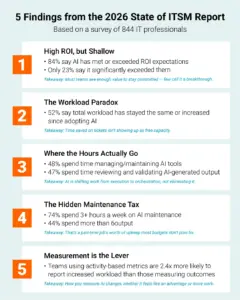
The Paradox of Efficiency: SolarWinds 2026 Report Highlights the Growing Pains of AI Integration in ITSM
The promise of artificial intelligence within the IT Service Management (ITSM) sector...
 Helpdesk & IT Service Management (ITSM)
TrendAI Integrates Nvidia Nemotron Models to Enhance Data Sovereignty in Security Operations
In a significant move aimed at bridging the gap between advanced artificial...
 Helpdesk & IT Service Management (ITSM)
Beyond the IT Help Desk: The Strategic Integration of Enterprise Service Management
As modern organizations grapple with increasing operational complexity, the traditional boundaries of...







