
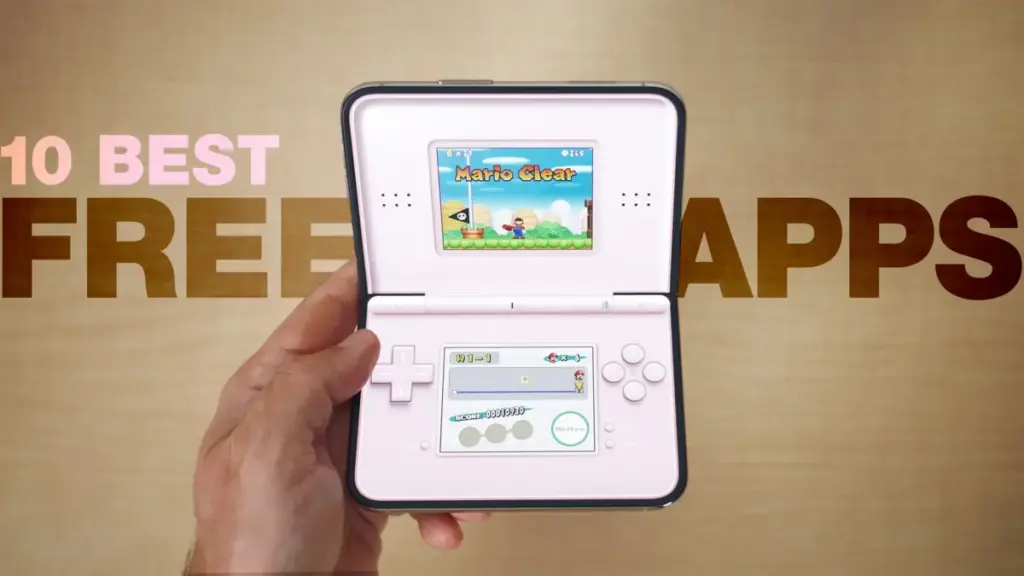
As Apple’s new dual-screen smartphone, the iPhone Duo, continues to settle into the hands of early adopters following its market debut, attention is increasingly turning toward the software ecosystem designed to take advantage of the novel hardware form factor. On Tuesday, November 10, 2026, MacRumors published its third dedicated application roundup for the dual-display device, focusing on top-tier software titles that users can access at no initial cost.
Written by MacRumors editor Juli Clover and accompanied by a hands-on video demonstration hosted by videographer Dan Barbera, the latest showcase provides prospective and current device owners with an overview of free and freemium applications optimized for the dual-screen interface. This newest software highlight comes as part of an ongoing multi-installment series intended to guide users through the expanding library of compatible software, following an initial selection of fun applications released alongside the hardware’s launch on Friday, October 23, and a second expanded title list published on Friday, November 6.
The focus on accessible software options arrives at a pivotal time in the early life cycle of the iPhone Duo. With physical device stock remaining tightly controlled following strict launch-period pre-order requirements, and as early buyers report mixed experiences ranging from dual-screen productivity enhancements to structural hinge concerns, third-party software adaptation remains a central focus for the platform.
Exploring the Free Application Ecosystem for iPhone Duo
In the video demonstration accompanying the latest report, Dan Barbera offers a detailed overview of several standout applications that showcase how developers are approaching the dual-screen layout. Among the primary titles featured in the video showcase are Delta Game Emulator, Bear, Fantastical, and MD Vinyl, along with several additional dual-screen optimized titles.
Each highlighted app demonstrates a unique approach to utilizing the dual-panel display area. Emulation software like Delta Game Emulator takes advantage of the distinct screen real estate by separating touch controls from the main visual display, creating a retro gaming experience across the twin screens without cluttering the primary viewing area. Meanwhile, note-taking and productivity applications such as Bear and calendar app Fantastical utilize extended landscape views and split-panel layouts, allowing users to reference secondary detail panes, lists, or schedules on one side while actively composing notes or organizing events on the other. Music-focused utilities like MD Vinyl adapt their interfaces to show media playback controls and visual album artwork side-by-side.
A central element of the November 10 digest is its emphasis on software accessibility. As detailed in the report, all featured applications are either completely free to download or include a functional free tier, enabling users to explore dual-screen capabilities without upfront purchases. While some of the highlighted apps offer optional paid upgrades, subscriptions, or premium feature unlocks, the core features presented in the showcase remain accessible without payment.
This software roundup builds directly on MacRumors‘ previous coverage of the dual-screen platform. On the day of the iPhone Duo’s retail debut on October 23, the publication published its first list highlighting creative and fun applications tailored for the hardware. That was followed on November 6 by a second installment detailing additional title suggestions across various categories. In keeping with previous roundups, MacRumors continues to encourage community participation, asking readers and iPhone Duo owners to submit their own app recommendations and discoveries in the report’s discussion section.
First-Party Software Adaptations and Retail Supply Constraints
The rapid emergence of dual-screen application optimizations follows initial software previews provided by Apple ahead of the hardware’s public release. On October 20, 2026—three days prior to the official launch—Apple updated the App Store storefront with screenshots displaying how its built-in first-party iOS applications run on the iPhone Duo.
Although select built-in apps had been visible in early marketing materials, the App Store screenshot updates gave consumers their first detailed look at how default iOS applications operate across the twin displays in everyday use. The images illustrated various stock applications running in landscape orientation, highlighting how dual panels can display side-by-side interfaces, secondary navigation menus, and expanded workspace layouts designed to reduce the need to constantly switch between active applications.
However, consumer access to the hardware required to run these optimized applications was tightly controlled during the launch window. On October 17, MacRumors reported that Apple retail employees had been instructed to warn prospective buyers against visiting retail locations to purchase an iPhone Duo without a pre-order on launch day.
Apple Store staff members confirmed that internal guidance advised retail teams that zero walk-in inventory would be allocated for unreserved launch-day sales on Friday, October 23. Employees were directed to actively discourage customers without pre-orders from coming to retail stores expecting walk-in availability, emphasizing that initial stock was strictly dedicated to fulfilling pre-arranged online orders.
Post-Launch Reliability Reports and Display Hinge Concerns
While software updates and early demand highlighted interest in the dual-screen form factor, the retail arrival of the iPhone Duo was accompanied by reports of hardware reliability issues among early adopters. On launch day, October 23, reports began surfacing online regarding display damage occurring along the central folding hinge mechanism, prompting early discussions among owners regarding structural durability—a phenomenon referred to by some online users as "Crackgate."
Reports shared across platforms such as Reddit and the MacRumors online forums documented instances where the folding screen assembly experienced damage directly along the hinge axis. In most reported cases, the display faults appeared as a line of bright, discolored, or stuck pixels spanning across one side of the screen panel.
Among the documented instances was a report from an iPhone Duo owner in Australia, who stated that his device’s screen developed a line crack along the central hinge after being opened fewer than 20 times following unboxing. The owner reported that the device had not been dropped or subjected to external physical impacts, indicating that the display failure occurred during standard opening and closing of the hardware.
These early hardware reports highlight the engineering complexities involved in dual-screen and folding display designs, even as software developers continue to expand title support for the platform.
Looking Ahead: Community Feedback and Platform Maturity
As the iPhone Duo moves beyond its initial launch phase, the platform’s trajectory will be shaped by both ongoing hardware performance and the expansion of its software ecosystem. The continuous rollout of app optimizations—spanning gaming emulators, organization tools, calendar management, and media controllers—indicates active interest from developers seeking to leverage twin-screen functionality.
At the same time, the combination of tight initial retail availability, strict launch pre-order enforcement, and early post-launch reports of hinge-related screen fractures underscores the challenges associated with introducing a novel mobile form factor. As third-party app developers continue to release updates and users share real-world feedback, ongoing software showcases and community recommendations will remain central to tracking how the iPhone Duo performs in daily use.
 macOS & Apple IT Support
Instagram Rolls Out Apple Music Integration Allowing Users to Save Tracks Directly to Playlists
Instagram has officially expanded its audio integration capabilities by allowing users to...
 macOS & Apple IT Support
Apple Releases iOS 27.2 With Upgraded Siri AI, SynthID Watermarking, and Broad Feature Updates
Apple has officially released iOS 27.2, delivering a significant mid-cycle software update...
 macOS & Apple IT Support
Early Black Friday 2026 Apple Deals Arrive: Record Discounts Hit Mac, Apple Watch, iPad, and iPhone Lineups
With Black Friday scheduled for November 27, 2026, the annual holiday shopping...







