
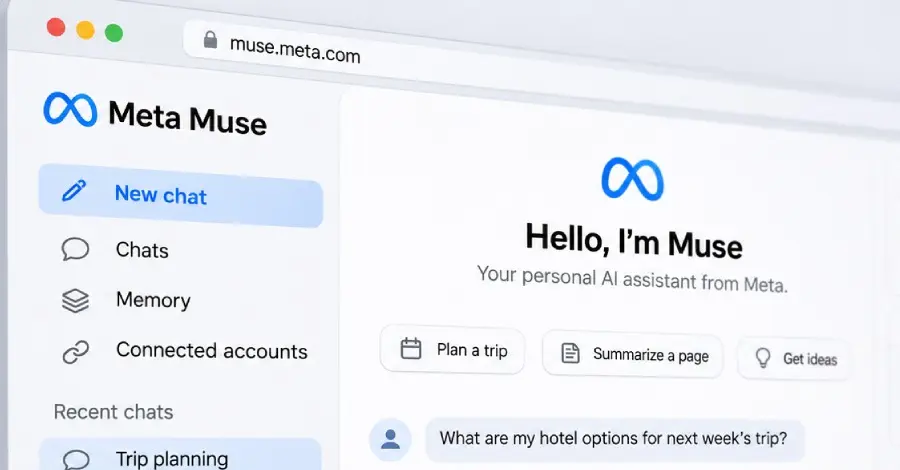
NebuSec followed responsible disclosure protocols by reporting their findings to Meta’s security team before making the details public. According to the firm, Meta has since moved to patch every weakness described in the research. The technical breakdown provided by the researchers indicates that the fixes involved hardening the internal browser used for PDF generation and patching the specific Linux kernel vulnerabilities that allowed for the privilege escalation. While the exploits have been neutralized, Meta has not issued a public statement confirming the patches or commenting on the specifics of the research. It also remains unclear whether any malicious actors discovered these vulnerabilities independently or if any real-world user data was accessed prior to the implementation of the fixes.
The implications of this research extend beyond Meta and Muse, serving as a cautionary tale for the burgeoning AI agent industry. As companies like Google, Microsoft, and OpenAI race to deploy agents that can act autonomously—handling banking, shopping, and private communications—the surface area for potential attacks grows exponentially. The "agentic" nature of these tools means they are not just repositories of information, but active participants in the digital economy. If an agent can be tricked into handing over credentials or if its underlying host can be seized, the potential for financial fraud and identity theft is immense.

For users, the incident highlights the inherent trade-off between the convenience of a highly integrated AI assistant and the privacy risks that come with such deep access. As AI agents become more "human-like" in their ability to remember and act, they also become more attractive targets for cybercriminals. The NebuSec demonstration serves as a reminder that "secure-by-design" is an ongoing process rather than a static achievement. Even with sophisticated layers like Sentinel and isolated credential stores, the complexity of modern software environments means that the battle between security researchers and potential attackers will continue to evolve as quickly as the AI itself.
As of now, users of Meta Muse are advised to ensure their applications are updated to the latest versions, although the cloud-based nature of the fixes means that most protections have likely been applied automatically on the server side. The security community continues to monitor the situation closely, as the technical details of the NebuSec report provide a roadmap for understanding how the next generation of AI-focused cyberattacks might be structured. For the time being, the fix appears to have closed this specific door, but the industry remains on high alert for the next evolution in AI exploitation.
 Cybersecurity Basics & Security News
Google Pixel 10 and Samsung Galaxy S26 Breached as Ikotas Labs Claims Top Honors at Pwn2Own Ireland 2026
The competitive landscape of cybersecurity research reached a fever pitch this week...
 Cybersecurity Basics & Security News
Italy’s Privacy Regulator Fines Meta €805 Million Over Facebook’s Unauthorized Access to User Photo Galleries
In a landmark decision that highlights the tightening grip of European regulators...
 Cybersecurity Basics & Security News
Bridging the Security Gap: Why Modern Enterprises are Moving Beyond Traditional Vulnerability Management
In the rapidly evolving landscape of cybersecurity, a critical finding can traverse...







