
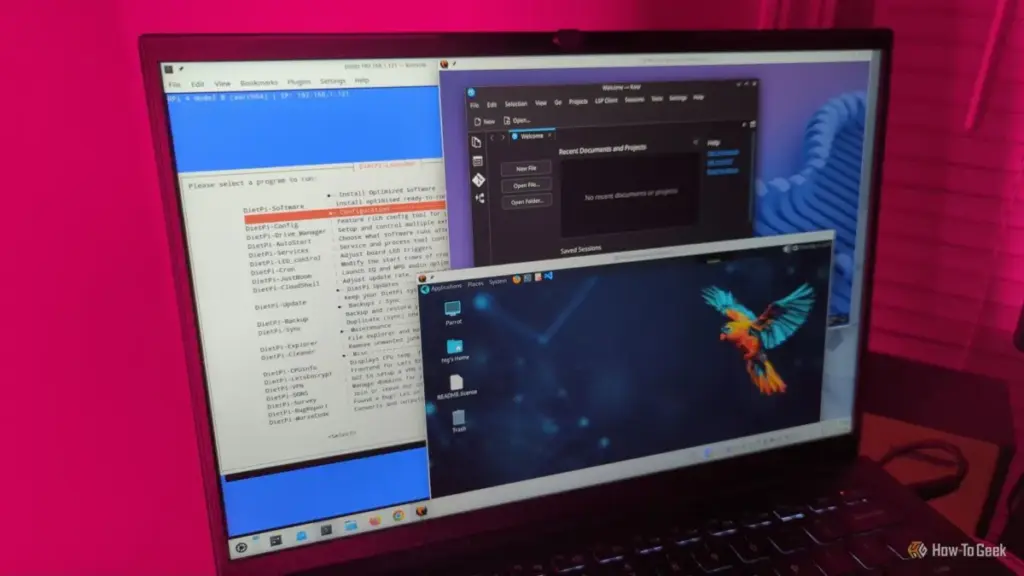
The Linux ecosystem has long been defined by its sheer variety, a characteristic that serves as both its greatest strength and a significant hurdle for those trying to navigate it. With hundreds of active distributions catering to every conceivable niche—from ultra-minimalist server environments to flashy, feature-heavy desktops—the task of identifying which projects are truly moving the needle has become increasingly complex. Some developers focus on lowering the barrier to entry for newcomers, while others use their platforms to experiment with cutting-edge system components, novel desktop environments, or specialized professional toolkits. As we move through 2026, a year that has proven particularly transformative for the open-source community, a handful of distributions have managed to rise above the noise, capturing sustained attention from users and developers alike.
To understand which of these projects offer genuine value versus those benefiting from fleeting hype, it is necessary to look beyond surface-level aesthetics. An analysis of five specific distributions that have gained significant momentum this year reveals a diverse set of philosophies regarding what a modern operating system should be. By ranking these projects based on their overall user experience, technical polish, maintenance standards, and long-term viability, we can gain a clearer picture of where the Linux desktop stands today.
Methodology: Selecting the Standout Distributions of 2026
The process of selecting these five distributions began with an objective look at user interest metrics. DistroWatch, a long-standing authority in tracking the popularity of various Linux flavors, provides trending data that covers 12-month, six-month, and one-month intervals. These figures track the average daily page visits for each project, offering a window into which operating systems are successfully capturing the community’s curiosity.
In this analysis, a positive trend figure indicates a distribution is seeing a steady increase in visibility, while a negative number suggests a decline or a cooling of interest. To ensure the selection was representative of sustained growth rather than a temporary spike caused by a single viral news cycle, two primary criteria were established. First, a distribution had to maintain a position within the top 50 of the 12-month ranking, ensuring a baseline level of established presence. Second, it had to demonstrate positive growth trends in at least two of the three reporting periods.

This rigorous filtering process allowed for a more nuanced view of the market. For instance, while Arch Linux recorded some of the most significant gains over the past month, its 12-month trend remained negative, failing the requirement for consistency. Similarly, CachyOS, despite holding a high overall rank, showed a decline over the past year and half-year periods. By contrast, the five selected distributions—Linux Lite, pearOS, Artix Linux, Omarchy, and Kali Linux—showed the kind of steady momentum that suggests they are solving real problems for their users.
The data reveals some fascinating trajectories. Linux Lite, for example, saw its 12-month rank sit at 41 with a trend of +1,227, but its most recent monthly growth surged by +1,260. Artix Linux climbed to the 12th spot in the one-month rankings with a +343 trend, while Omarchy reached as high as 7th place, despite a minor recent dip. Kali Linux and pearOS also showed resilient growth across multiple periods, proving that their specific niches—security and aesthetics, respectively—continue to resonate.
Linux Lite: Defining the Complete Desktop Package
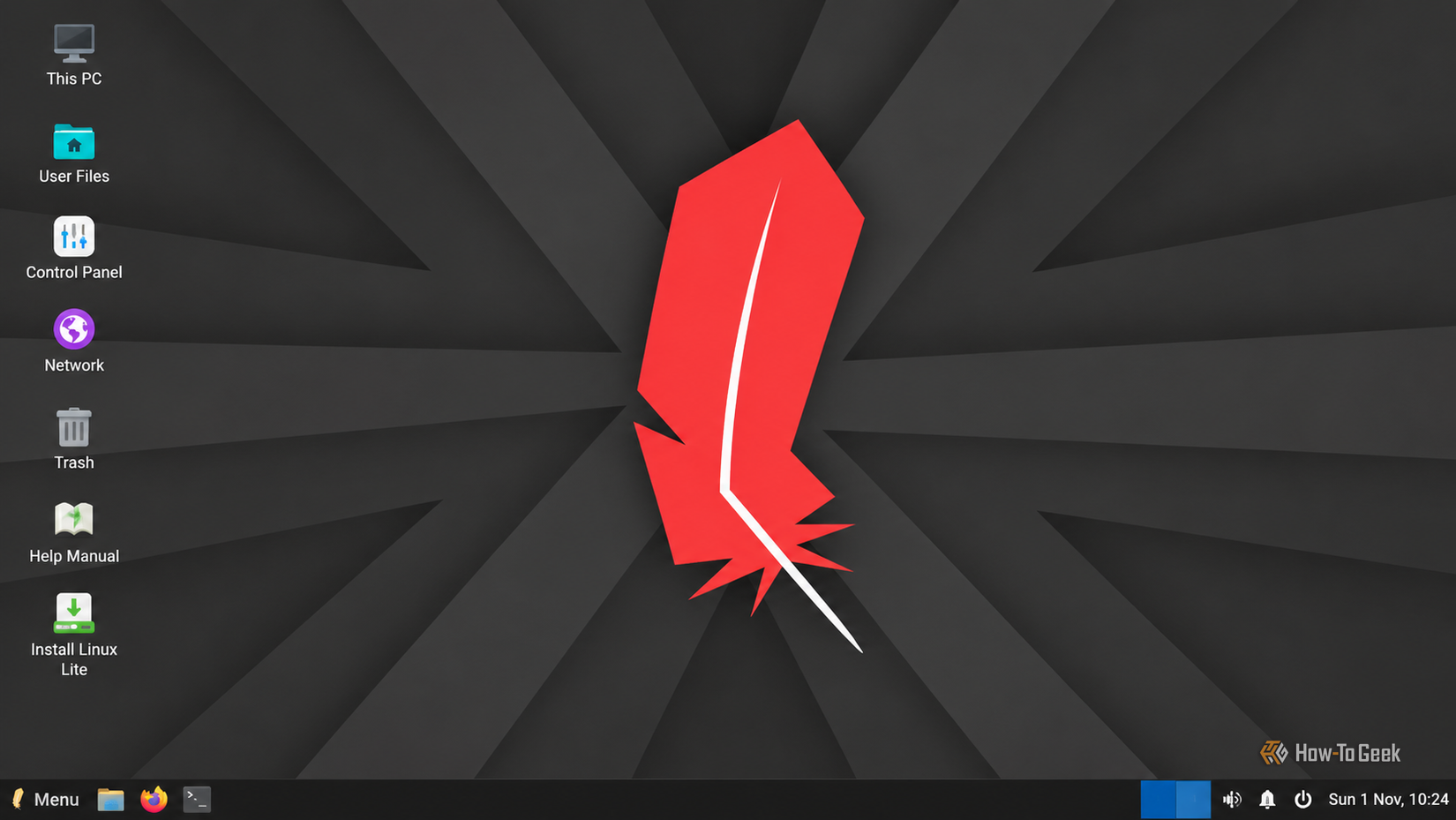
In the current landscape, Linux Lite has emerged as perhaps the most well-rounded offering for the general user. Taking the top spot in this ranking, it succeeds by focusing on the fundamentals: stability, ease of use, and a high degree of polish. For users who want a dependable system that works immediately upon installation without requiring hours of terminal-based configuration, Linux Lite presents a compelling argument.
The project’s recent trajectory is marked by a major shift in its underlying architecture. With the release of Linux Lite 8.0, the distribution moved to an Ubuntu 26.04 Long Term Support (LTS) base. This provides users with a modern foundation and the assurance of years of security updates. However, the developers have gone far beyond simply "skinning" Ubuntu. They undertook a significant effort to rewrite their proprietary in-house applications using GTK4, ensuring the system feels modern and performs efficiently on contemporary hardware.
Further refinements arrived with version 8.2 in late October. This update introduced Linux 7.3 kernels, incorporating selected performance patches from CachyOS to improve system responsiveness. The addition of specialized, gaming-oriented kernel options highlights the project’s awareness of its user base’s evolving needs. By maintaining a lightweight desktop environment while offering advanced under-the-hood optimizations, Linux Lite bridges the gap between a "beginner" distro and a high-performance workstation. Its Windows-friendly layout remains a key selling point, providing a familiar harbor for those migrating away from proprietary operating systems.
Artix Linux: Providing Arch Flexibility Without systemd
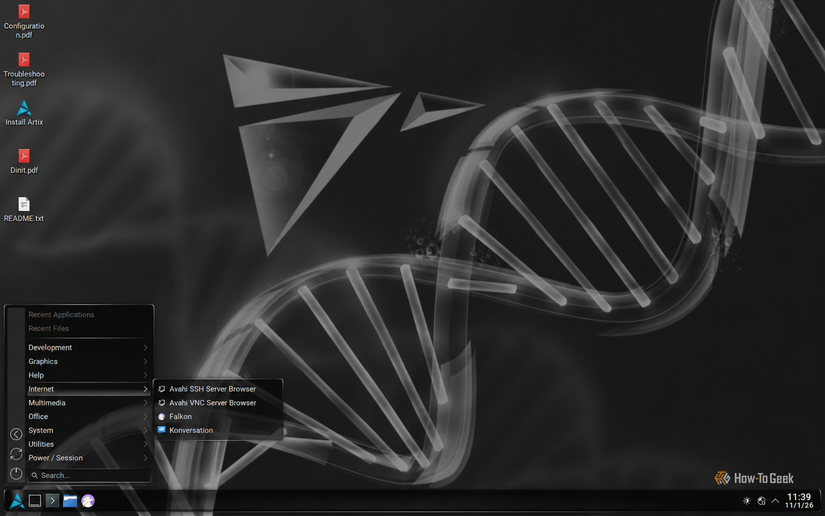
Securing the second spot is Artix Linux, a distribution that caters to a more technically inclined demographic. Artix is built on the Arch Linux foundation, giving users access to the vast Arch User Repository (AUR) and a rolling-release model. However, it distinguishes itself through a fundamental architectural choice: the removal of systemd.
By replacing systemd with alternative init systems such as OpenRC, Suite66, or Runit, Artix appeals to users who prioritize simplicity and traditional Unix philosophies in service management. This focus gives Artix a clear and unmistakable identity. It does not try to be everything to everyone; instead, it targets users who want the "bleeding-edge" software of Arch but desire more granular control over how their system initializes and manages background processes.
While Artix requires more manual intervention than a "just works" distribution like Linux Lite, its execution is remarkably smooth for a project of its complexity. It allows the user to decide exactly how much involvement they want in their system’s maintenance. For those who find the monolithic nature of systemd unappealing, Artix remains the premier choice for a modern, functional, and flexible alternative that doesn’t sacrifice software availability.
Kali Linux: The Industry Standard for Security and AI Integration
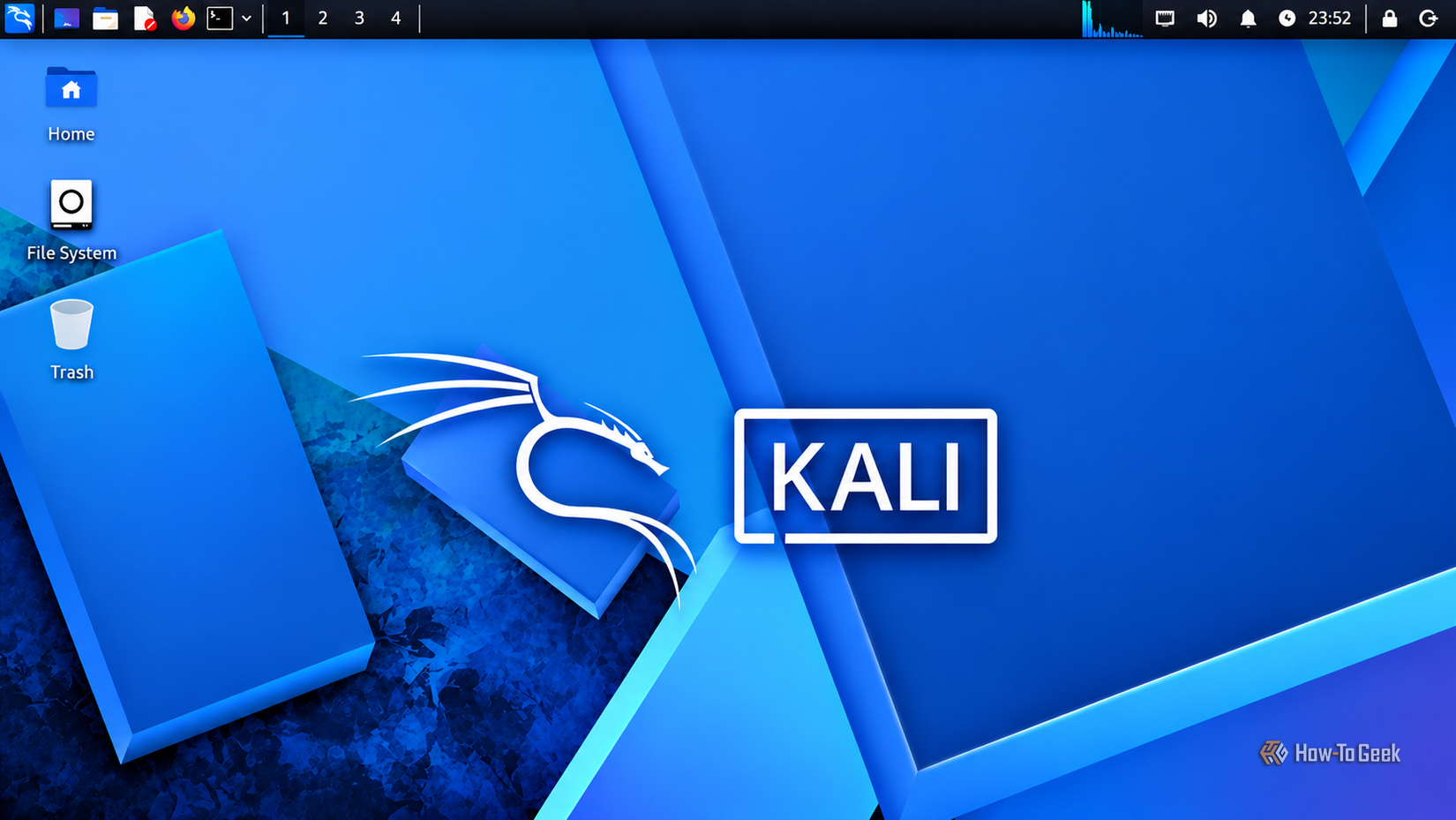
Kali Linux holds the third position, maintaining its status as the indispensable toolkit for the cybersecurity community. While many distributions attempt to be general-purpose, Kali is unashamedly specialized, designed specifically for penetration testing, security auditing, and forensics.
The year 2026 has seen Kali evolve to meet the challenges of an AI-driven world. In March, the release of Kali 2026.1 introduced Metasploit MCP, the project’s first official foray into bringing artificial intelligence directly into the penetration testing workflow. This was followed by versions 2026.2 and 2026.3, which expanded the toolkit with additional AI-assisted credential testing and automation features. These updates ensure that Kali remains relevant as security professionals look for ways to leverage machine learning to identify vulnerabilities more efficiently.
The reason Kali does not rank higher for a general audience is simply its narrow focus. It is an exceptional tool for its intended purpose, but its massive library of pre-installed security utilities is unnecessary—and potentially distracting—for a daily productivity machine. It is the gold standard for its field, but its utility is directly tied to the professional requirements of its users.
Omarchy: An Opinionated Vision for the Modern Developer
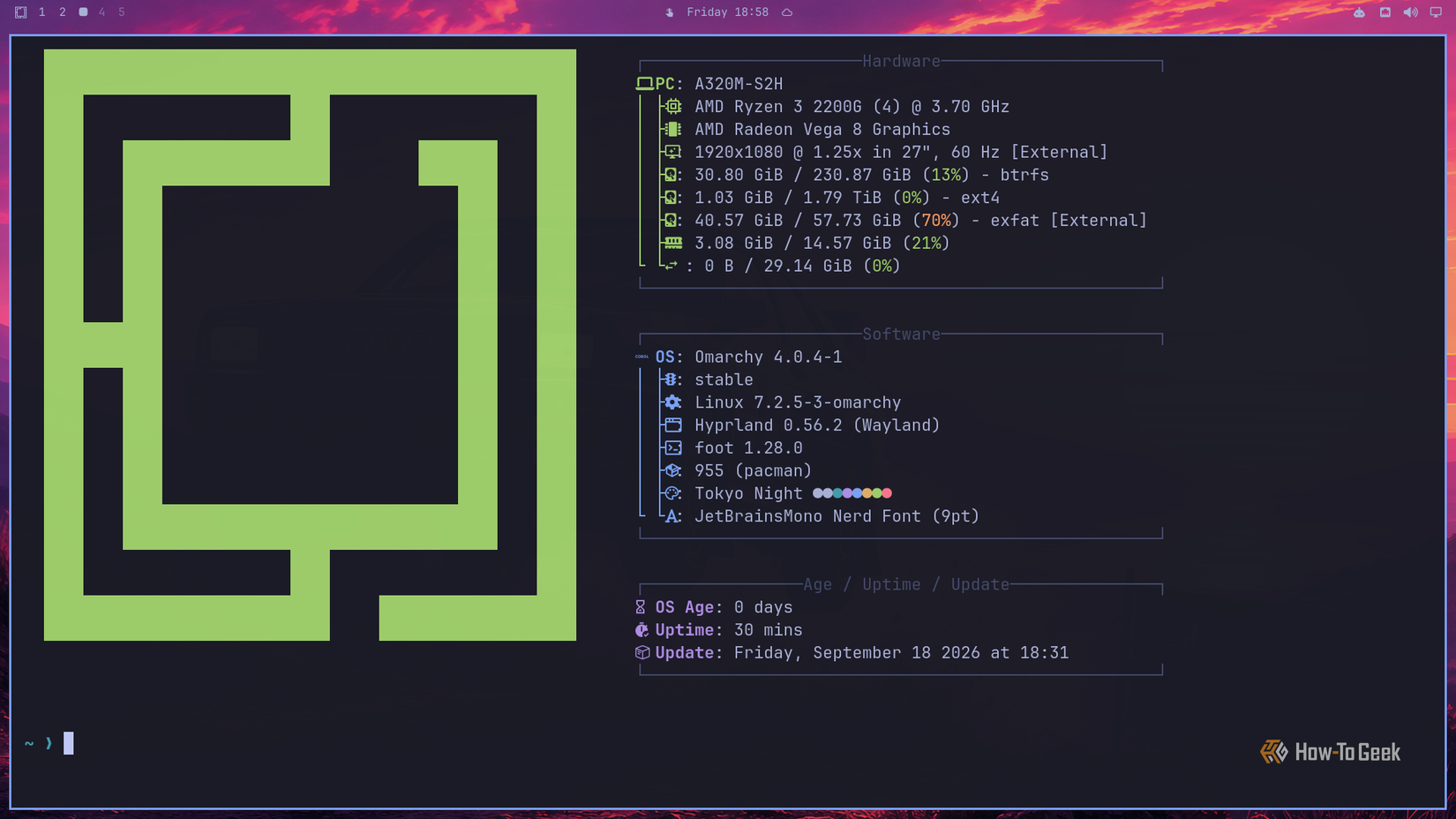
Omarchy takes the fourth spot, representing one of the more ambitious and "viral" projects of the year. Omarchy is an Arch-based distribution that ships with a highly curated environment, featuring a tiling window manager, custom themes, and a heavy emphasis on developer productivity.
What sets Omarchy apart is its integrated support for AI coding agents. Rather than requiring developers to spend days configuring their IDEs and environment variables, Omarchy provides a pre-configured workspace designed for modern, AI-assisted programming. This opinionated approach has earned it a loyal following among developers who appreciate having a "pro" setup out of the box.
However, this high level of curation is a double-edged sword. For users who prefer a minimalist starting point, Omarchy can feel somewhat bloated. The inclusion of so many pre-selected components and tools means that the user is essentially adopting the developers’ vision of a perfect workflow. While that vision is technically impressive and aesthetically pleasing, it lacks the "blank canvas" appeal that many long-time Linux users value, which places it slightly lower in the overall ranking for general use.
pearOS: Reimagining the macOS Experience on Linux
Rounding out the list in fifth place is pearOS. This distribution is built around a singular, clear goal: providing a Linux experience that looks and feels as close to macOS as possible. Using KDE Plasma as its engine, pearOS recreates the iconic Apple aesthetic, complete with a global menu bar, a centered application dock, and a suite of custom apps like "Pinder" that mimic the functionality of their Apple counterparts.
The project offers several versions, including the Arch-based NiceC0re edition, as well as Debian and FreeBSD-based alternatives. This variety shows a commitment to the project’s visual philosophy across different technical foundations. For users moving from a Mac who want to keep their existing hardware but switch to an open-source OS, pearOS offers a comfortingly familiar interface.
Despite its visual polish, pearOS falls to the fifth spot due to some friction in its user experience. The download process, for instance, involves donation prompts that, while understandable for an independent project, can feel somewhat insistent compared to the more straightforward experiences offered by its peers. While it is an excellent choice for those specifically seeking a macOS clone, its appeal is more limited than the broader utility of Linux Lite or the technical purity of Artix.
The State of the Linux Desktop in 2026
These five distributions illustrate the incredible breadth of the Linux community in 2026. From the user-centric stability of Linux Lite to the specialized security power of Kali and the developer-focused ambition of Omarchy, there is no longer a "one size fits all" answer to which distribution is best.
The ranking presented here reflects a balance of maintenance, usability, and broad appeal. While Linux Lite stands as the most recommendable "daily driver" for the widest range of people, the success of more niche projects like Artix and pearOS proves that the Linux ecosystem’s greatest asset remains its ability to provide a home for every type of user preference. As the year progresses, these "breakthrough" distros are not just gaining visits on a chart; they are actively refining what it means to use a modern, open-source operating system.
 Tech Tutorials & How-To Guides
To Boldly Go From Your Desktop: Celebrating 60 Years of Star Trek Through Modern Tech Hobbies
As the calendar turns to late 2026, the global science fiction community...
 Tech Tutorials & How-To Guides
High-Octane Streaming: Four Netflix Miniseries to Transform Your Cardio Routine
The psychological challenge of the treadmill is a familiar hurdle for fitness...
 Tech Tutorials & How-To Guides
Amazon Launches Major Discounts on CMF by Nothing Audio Lineup Ahead of Black Friday
As the holiday shopping season approaches, the competition in the consumer electronics...







