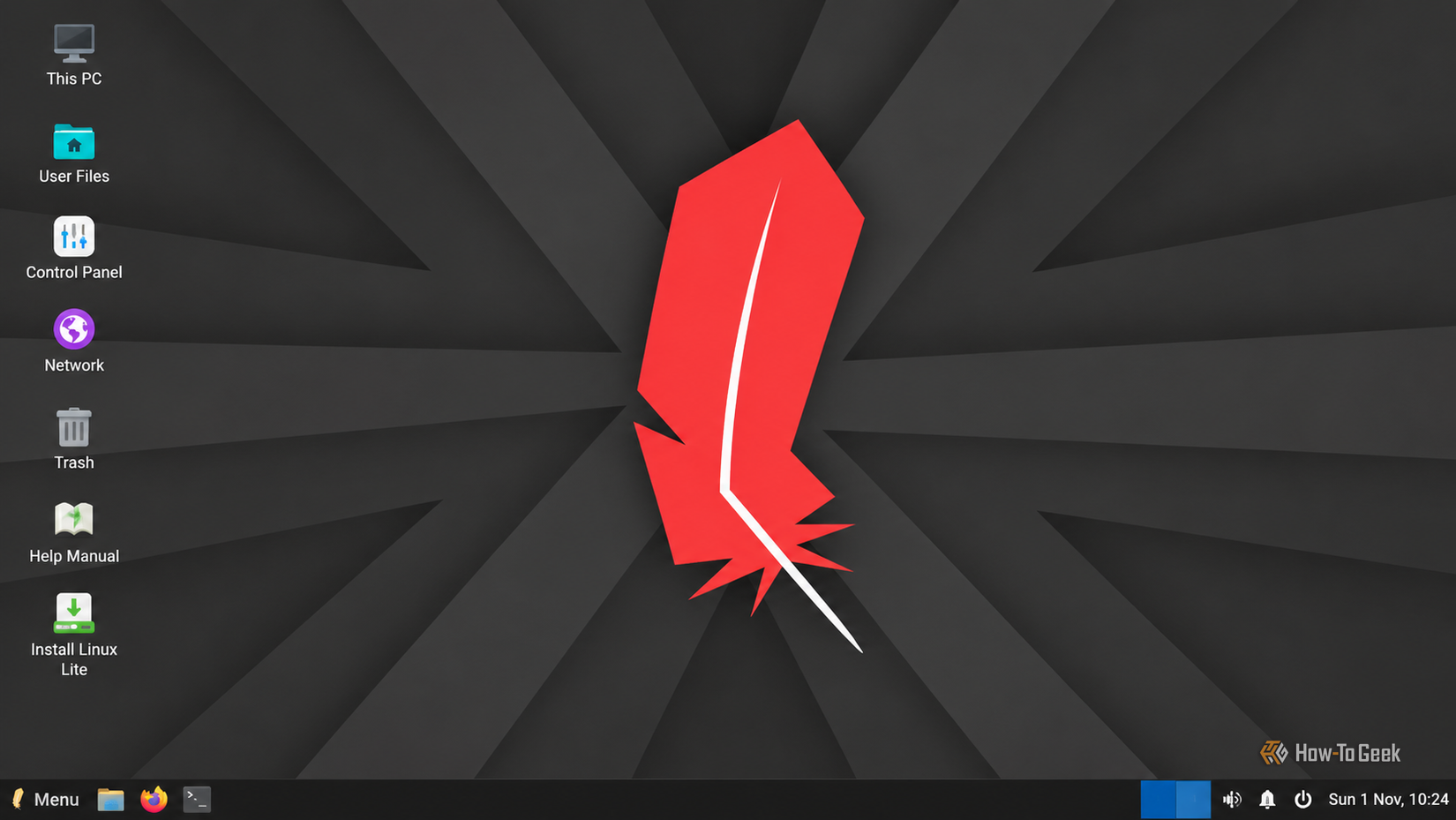
Further refinements arrived with version 8.2 in late October. This update introduced Linux 7.3 kernels, incorporating selected performance patches from CachyOS to improve system responsiveness. The addition of specialized, gaming-oriented kernel options highlights the project’s awareness of its user base’s evolving needs. By maintaining a lightweight desktop environment while offering advanced under-the-hood optimizations, Linux Lite bridges the gap between a "beginner" distro and a high-performance workstation. Its Windows-friendly layout remains a key selling point, providing a familiar harbor for those migrating away from proprietary operating systems.
Artix Linux: Providing Arch Flexibility Without systemd
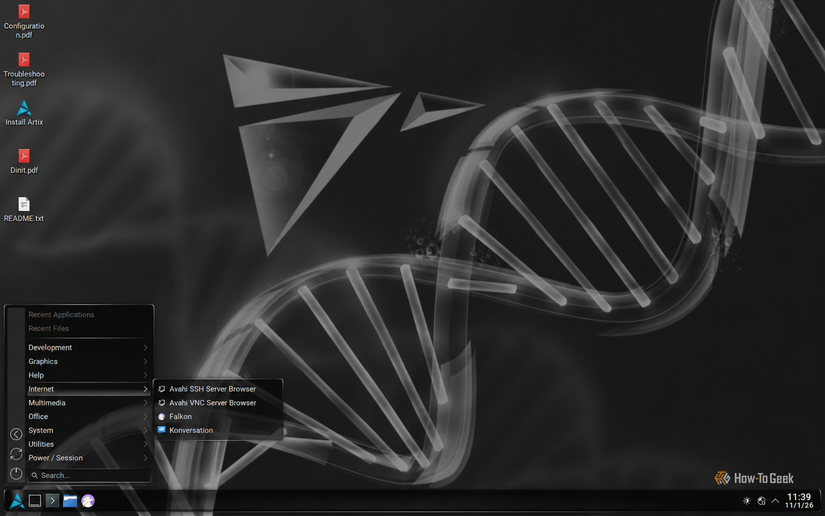
Securing the second spot is Artix Linux, a distribution that caters to a more technically inclined demographic. Artix is built on the Arch Linux foundation, giving users access to the vast Arch User Repository (AUR) and a rolling-release model. However, it distinguishes itself through a fundamental architectural choice: the removal of systemd.
By replacing systemd with alternative init systems such as OpenRC, Suite66, or Runit, Artix appeals to users who prioritize simplicity and traditional Unix philosophies in service management. This focus gives Artix a clear and unmistakable identity. It does not try to be everything to everyone; instead, it targets users who want the "bleeding-edge" software of Arch but desire more granular control over how their system initializes and manages background processes.
While Artix requires more manual intervention than a "just works" distribution like Linux Lite, its execution is remarkably smooth for a project of its complexity. It allows the user to decide exactly how much involvement they want in their system’s maintenance. For those who find the monolithic nature of systemd unappealing, Artix remains the premier choice for a modern, functional, and flexible alternative that doesn’t sacrifice software availability.
Kali Linux: The Industry Standard for Security and AI Integration
Kali Linux holds the third position, maintaining its status as the indispensable toolkit for the cybersecurity community. While many distributions attempt to be general-purpose, Kali is unashamedly specialized, designed specifically for penetration testing, security auditing, and forensics.
The year 2026 has seen Kali evolve to meet the challenges of an AI-driven world. In March, the release of Kali 2026.1 introduced Metasploit MCP, the project’s first official foray into bringing artificial intelligence directly into the penetration testing workflow. This was followed by versions 2026.2 and 2026.3, which expanded the toolkit with additional AI-assisted credential testing and automation features. These updates ensure that Kali remains relevant as security professionals look for ways to leverage machine learning to identify vulnerabilities more efficiently.
The reason Kali does not rank higher for a general audience is simply its narrow focus. It is an exceptional tool for its intended purpose, but its massive library of pre-installed security utilities is unnecessary—and potentially distracting—for a daily productivity machine. It is the gold standard for its field, but its utility is directly tied to the professional requirements of its users.
Omarchy: An Opinionated Vision for the Modern Developer
 Tech Tutorials & How-To Guides
The Power of Automation: Why Home Assistant Users Are Rediscovering These Underutilized Features
The landscape of the modern smart home has shifted dramatically over the...
 Tech Tutorials & How-To Guides
The Unseen Ecosystem: Why Samsung’s Most Powerful One UI Features Remain Hidden to Most Users
In the hyper-competitive landscape of global smartphone manufacturing, Samsung Electronics has long...
 Tech Tutorials & How-To Guides
A New Titan in Entertainment: Navigating the Skydance Merger and the Future of Streaming
The landscape of global media has undergone a seismic shift as the...