
The Role of 3D Scanning and Laser Data
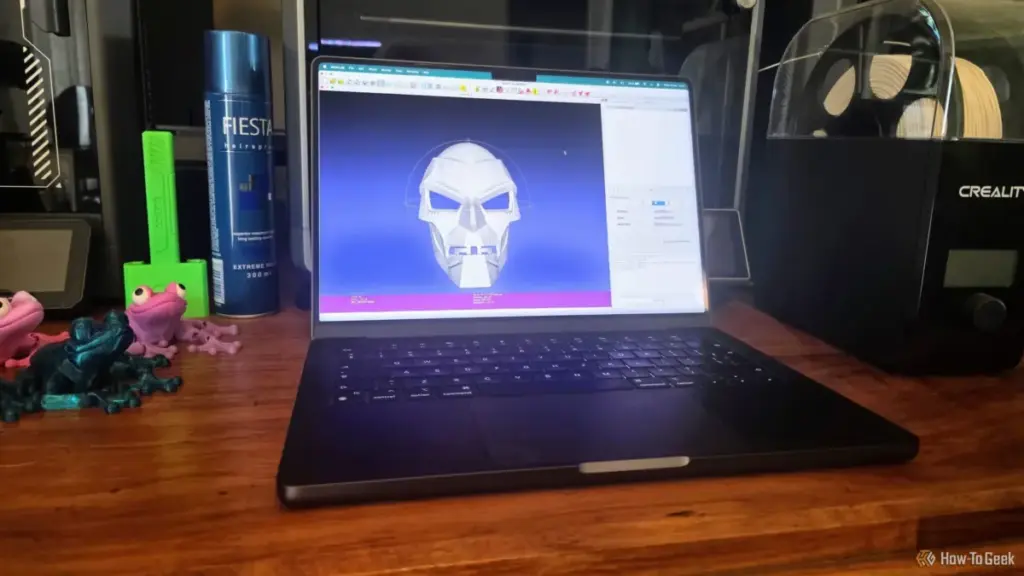
The necessity for tools like MeshLab has grown alongside the popularity of 3D scanning. As more users utilize LiDAR-equipped smartphones or dedicated laser scanners to digitize real-world objects, the resulting "point clouds" and raw meshes are notoriously messy. Scan data often includes "floating" geometry—bits of the background or "noise" captured during the scan—and thousands of overlapping triangles.
MeshLab was originally designed with these academic and professional use cases in mind. It excels at "cleaning" scan data, allowing users to remove isolated pieces of geometry that aren’t connected to the main body and to smooth out surfaces that were distorted by lighting or sensor limitations. For anyone attempting to turn a real-world object into a 3D print, MeshLab is not just an option; it is often a requirement of the workflow.
Validation and Iteration
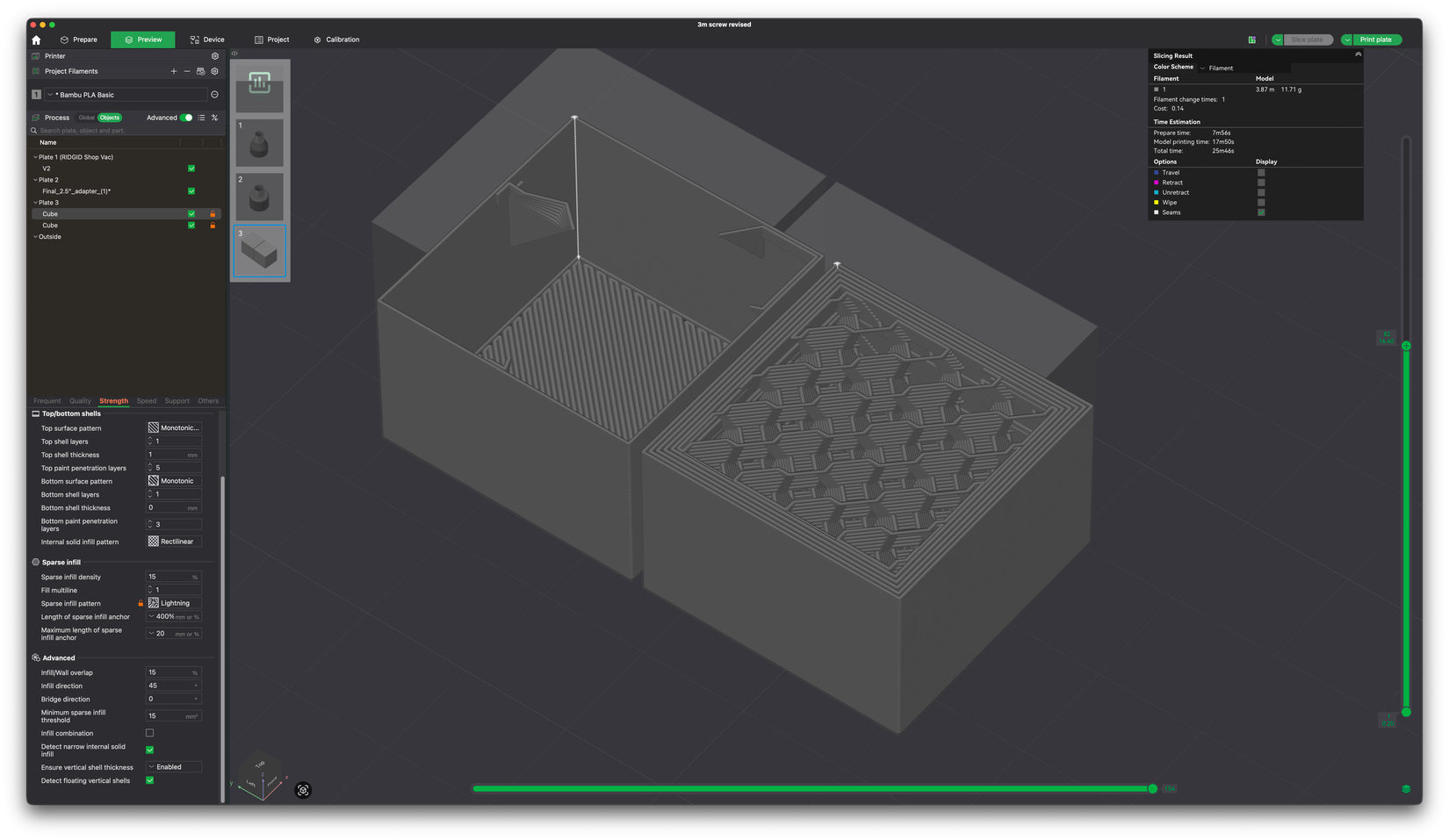
One of the most important aspects of the MeshLab workflow is the iterative process. After applying a series of filters, a professional user will re-run the topological diagnostics to see if the error count has dropped. This feedback loop ensures that the repairs are actually working and that no new issues have been introduced.
Once the mesh is cleaned, the final step is exporting the file back to a format the slicer can read. Experts recommend exporting the repaired model as a new version rather than overwriting the original, allowing for a "paper trail" of the repair process. The ultimate test remains the slicer’s layer preview. By inspecting the sliced layers, a user can verify that the "inside" of the model is being filled correctly and that the walls are continuous. If the preview shows gaps or strange "webbing" between parts, it is a sign that the mesh still requires work in MeshLab.
The Importance of Technical Literacy in 3D Printing
As 3D printing technology becomes more "plug-and-play," there is a risk that users will lose the technical skills required to troubleshoot complex problems. However, the move toward high-speed printing and more engineering-grade materials means that the margin for error in model geometry is smaller than ever. A tiny hole in a mesh that might have been ignored by a slow, older printer can cause a high-speed machine to stutter or produce a weak spot in a structural part.
MeshLab represents a bridge between the ease of modern consumer 3D printing and the rigorous requirements of computer-aided design and mesh science. While it requires a steeper learning curve than a standard slicer, the ability to manually inspect and repair a mesh is a vital skill for anyone looking to move beyond basic hobbyist printing. By understanding the underlying math of their models and utilizing the right tools to fix them, makers can ensure that their digital visions are accurately and reliably brought into the physical world.
 Tech Tutorials & How-To Guides
Essential Roadside Resilience: Why Modern Drivers are Turning to Portable Battery-Powered Solutions
The modern driving experience is often defined by a sense of seamless...
 Tech Tutorials & How-To Guides
Five Highly Rated Comedy Series on Netflix for Quick and Easy Viewing
In the modern landscape of streaming, where "prestige television" often demands dozens...
 Tech Tutorials & How-To Guides
The Cost of Convenience: Analyzing the Value Proposition of Milwaukee’s M18 Cordless Lineup
In the modern landscape of construction and woodworking, the corded power tool...







