
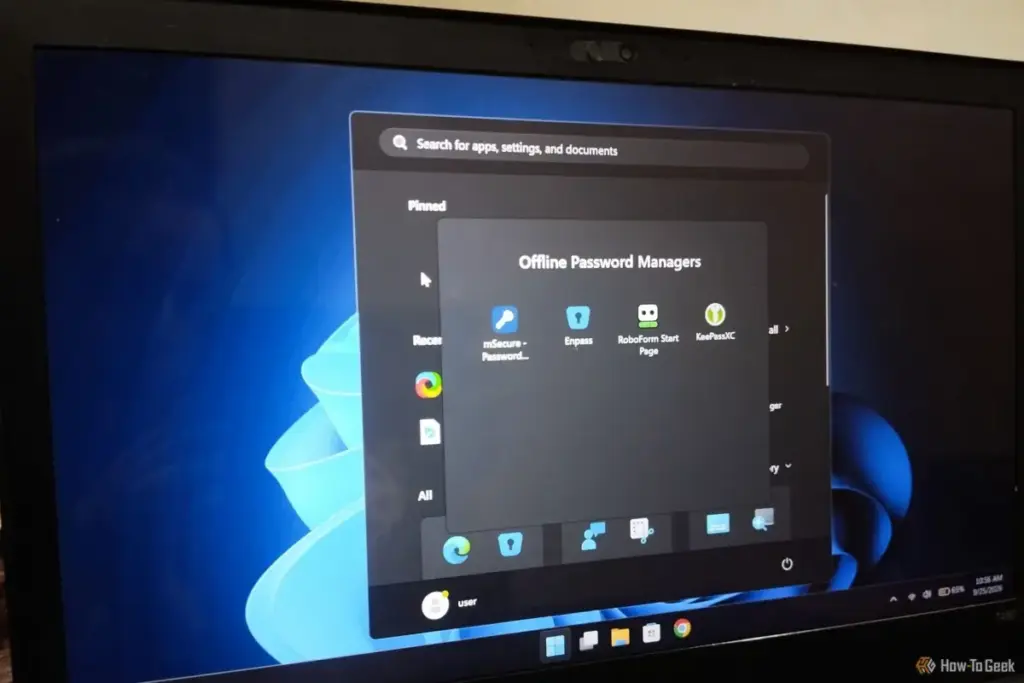
KeePassXC: The Ultimate in Security Sovereignty
For the true security purist, KeePassXC represents the gold standard of offline password management. A community-driven fork of the original KeePass, KeePassXC was rebuilt to be modern, cross-platform, and entirely independent of any corporate infrastructure.
Using KeePassXC is a fundamentally different experience from using a service like LastPass or 1Password. There are no accounts to create, no emails to verify, and no subscriptions to manage. When you install the software, you simply create a database file with a .kdbx extension, set a master password, and choose where to save it. That file is your vault.
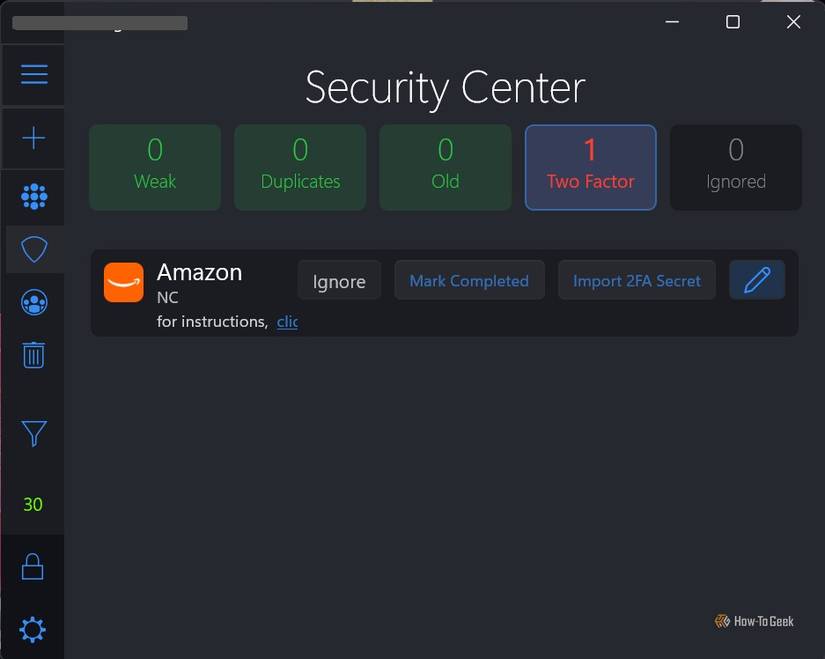
Despite being free and open-source, KeePassXC is feature-rich. It offers everything one would expect from a premium tool: browser integration, TOTP (Time-based One-Time Password) support, passkey storage, and advanced search functionality. Because it is a local file-based system, it does not offer built-in "sync." Instead, the user is responsible for the file. If you want your passwords on multiple devices, you must move the .kdbx file yourself or host it on a private server or a cloud service of your choosing.
While KeePassXC does not have an official mobile app, the beauty of its open-source .kdbx format is that it is compatible with a wide range of third-party applications. iOS users can utilize KeePassium, while Android users often turn to KeePassDX. This allows for a completely decentralized, multi-platform ecosystem that is entirely under the user’s control.
The setup process for KeePassXC is arguably the simplest of the four: install, create database, and begin. There is a profound sense of peace that comes from knowing your data exists only where you put it, and that no company’s bankruptcy or server breach can ever lock you out of your accounts.
Choosing Sovereignty Over Convenience
The journey through these four tools confirms that while the cloud offers undeniable convenience, it is no longer the only viable way to manage digital identities. The decision to switch to an offline manager ultimately comes down to a trade-off between automated ease of use and absolute data control.
For many, the premium features offered by Enpass or the user-friendly local sync of mSecure provide the perfect middle ground. They offer a safety net while moving away from centralized corporate "mega-vaults." However, for those who are tired of subscription fatigue and the constant anxiety of the next big data breach, KeePassXC proves that you don’t need to pay a monthly fee to keep your digital life secure.
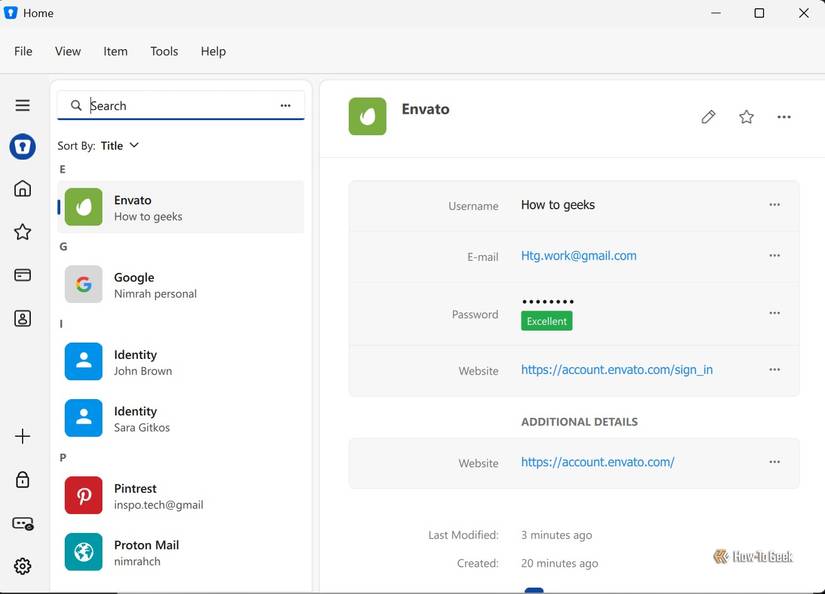
In an era where our personal data is increasingly treated as a commodity, reclaiming the "keys" to our digital lives is a powerful step. Whether it is through a community-driven open-source project or a local-only mode in a legacy application, the shift toward offline management is more than just a technical preference—it is an act of digital sovereignty.
 Tech Tutorials & How-To Guides
The Great Big-Box Battle: Evaluating the Power Tool Ecosystems of Ryobi, Craftsman, and Hyper Tough
For the modern homeowner or the burgeoning DIY enthusiast, the walk down...
 Tech Tutorials & How-To Guides
The Mechanical Resilience of the Hard Disk Drive: Utilizing Hook-and-Loop Fasteners to Combat Vibration and Extend Hardware Longevity
In an era increasingly dominated by the blistering speeds of NVMe solid-state...
 Tech Tutorials & How-To Guides
Unfiltered Cinema: Why R-Rated Hits Are Finding a Second Life on Major Streaming Platforms
In the modern landscape of digital entertainment, the motion picture rating system...







