
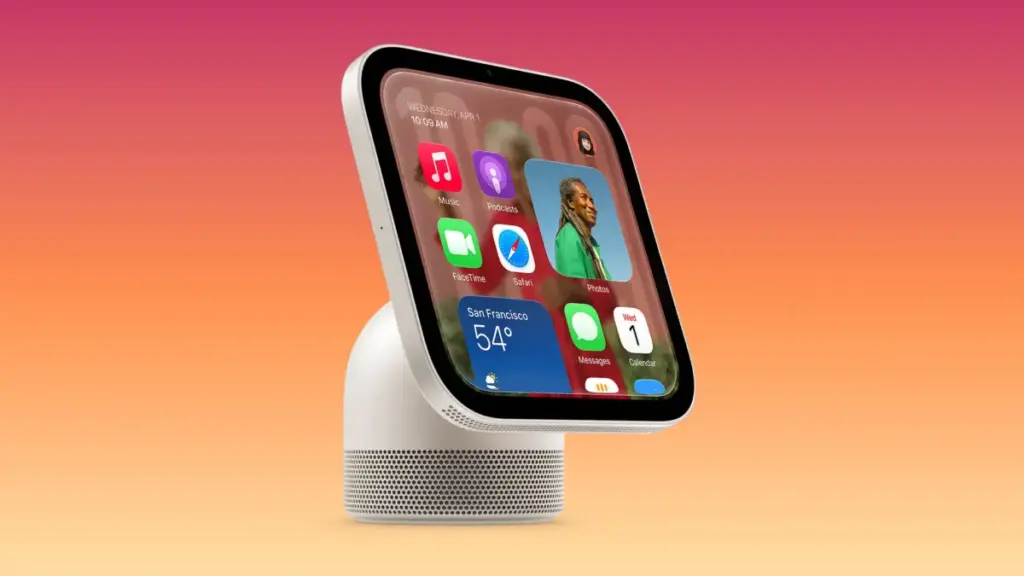
When Apple’s long-awaited HomeView smart home hub officially arrives on store shelves on Friday, November 13, early adopters will encounter immediate, tangible proof of the hardware’s prolonged and heavily delayed journey to market. According to newly uncovered system data published by AppleDB, the brand-new touch-screen home controller will ship out of the box running HomeView software version 26.5, an operating system release that is already six months old. Upon unboxing the device and initiating the initial setup process, customers will be immediately prompted to install a mandatory day-one software update, bringing the smart display up to date with HomeView software version 27.2.
The discovery made via AppleDB provides a rare and transparent look into the behind-the-scenes timelines of Apple’s hardware manufacturing and distribution operations. According to the database entries, the factory-installed firmware carries the specific build designation 23W714, corresponding to HomeView software version 26.5. In the consumer electronics industry, the version of software flashed onto a device during factory assembly serves as a direct indicator of when that hardware was physically packaged and sealed in inventory boxes. The presence of a six-month-old operating system on factory-sealed units offers concrete technical confirmation that the HomeView hardware was mass-produced and prepared for shipment long before Apple was ready to officially launch the product to the public.
For consumers setting up the HomeView for the first time on launch day, the software discrepancy will translate into a mandatory software update prompt during initial installation. As soon as the device connects to a home network, the setup interface will instruct users to download and install HomeView software version 27.2 before proceeding to the full feature set. While day-one software patches have become standard practice across modern consumer technology platforms, a six-month delta between factory software and launch software represents an unusually wide gap for a major new Apple product category. This multi-month software gap highlights the extensive delay between the completion of physical manufacturing and the formal commercial rollout.
The confirmation of six-month-old shipping firmware aligns closely with earlier reporting and hands-on testing that revealed significant development hurdles throughout the HomeView project. Tech analysts and supply chain observers had long noted that Apple’s ambient display hub had suffered from repeated timeline adjustments. The hardware had been subjected to extensive internal testing cycles, with early units remaining in staging environments while software engineers refined the operating system experience, smart home integrations, and ambient user interfaces. The discovery of build 23W714 on production hardware confirms that physical units sat in storage facilities or hold states for months while Apple finalized the broader home ecosystem strategy and software ecosystem readiness.
The formal introduction of the HomeView took place during Apple’s "Welcome home" press event in New York, where the company showcased its latest innovations designed for the modern living space. The unveiling followed an intense period of anticipation and detailed leaks regarding Apple’s hardware roadmap. Just two days prior to the New York event, Bloomberg reporter Mark Gurman published a comprehensive leak detailing 16 distinct aspects of Apple’s upcoming home line. Gurman’s report accurately revealed that Apple was preparing to introduce an all-new smart home hub equipped with a touch-enabled display named HomeView, alongside complementary updates to the company’s broader home hardware lineup, including a second-generation HomePod mini 2 and a updated Apple TV 4K.
At the core of the new hardware push is the HomeView itself, which features a 7-inch Liquid Retina display designed to serve as a central touch interface and command screen for connected living spaces. Powered by Siri AI, the hub is built to manage ambient household operations, smart home accessories, media playback, and personal schedule management. The hardware design reflects Apple’s intent to create a dedicated stationary device that bridges the gap between shared household displays and personalized smart assistants.
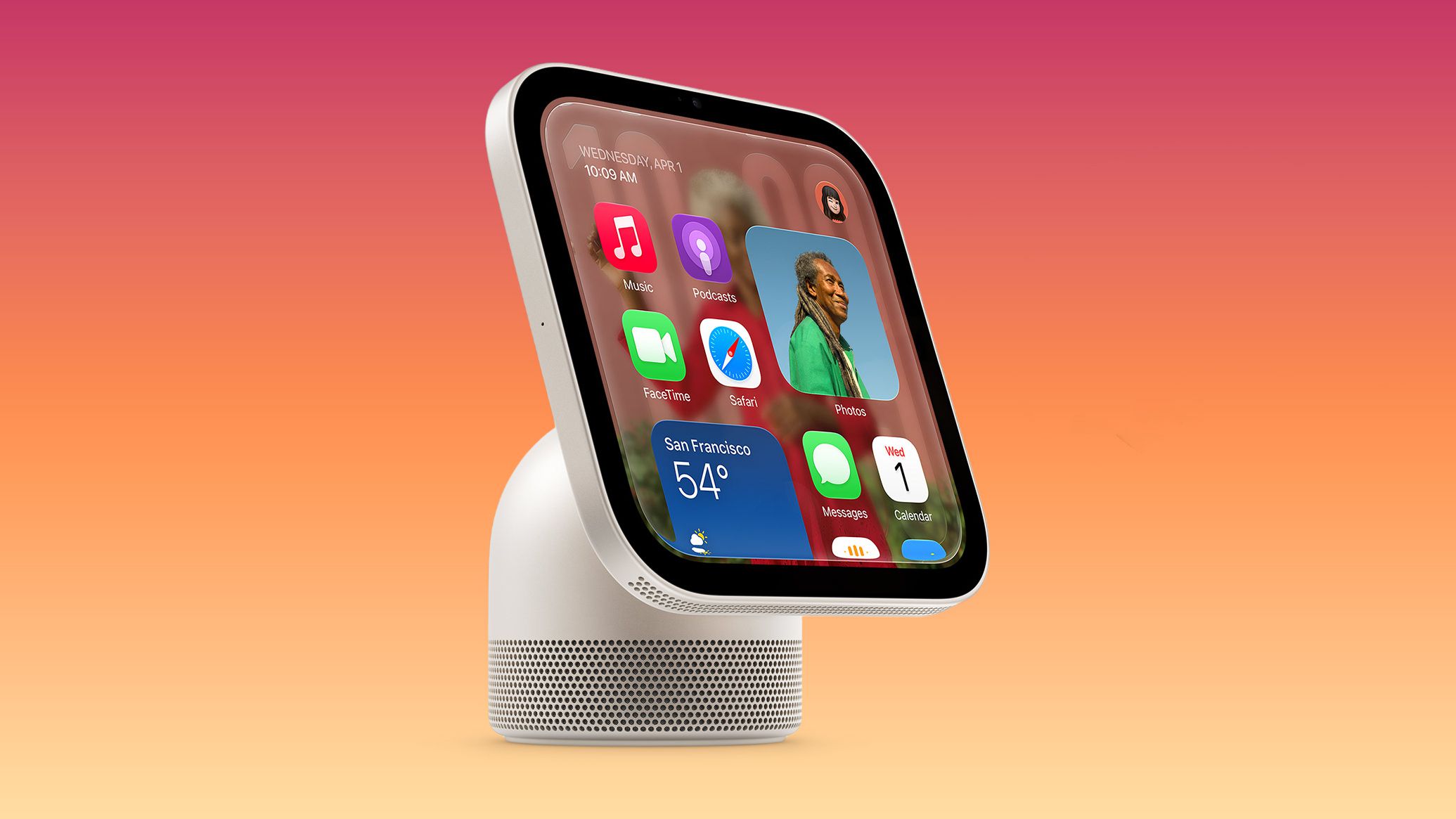
Explaining the operational vision behind the new device during the New York announcement, Greg Joswiak, Apple’s Senior Vice President of Worldwide Marketing, emphasized the dual nature of the home hub’s interface. "Apple HomeView is designed to be shared by everyone in the home yet feel completely personal to each user," Joswiak said. "It recognizes your face to shift from a household screen to your own experience…"
This facial recognition functionality allows the 7-inch Liquid Retina display to adjust its interface based on who is interacting with the device. When standing dormant or approached by an unrecognized household member, the HomeView presents a shared home view displaying general household controls, shared family calendars, environment status indicators, and common media controls. However, when the onboard sensor array identifies a specific registered family member, the display dynamically transitions to display individualized notifications, personal calendar items, tailored music recommendations, and custom smart home shortcuts.
The journey to the official announcement of "HomeView" also resolved months of speculation surrounding Apple’s internal software naming conventions and trademark strategy. Investigative analysis by MacRumors first uncovered the "HomeView" moniker after locating trademark filings submitted by a secretive shell company, which was subsequently linked directly to Apple. Further research into shell company activities revealed that Apple had also secured trademark protections for the term "homeOS," sparking widespread industry expectations that the company planned to introduce a brand-new, distinctly branded operating system platform dedicated to smart home hardware, joining iOS, iPadOS, macOS, watchOS, and tvOS.
Despite securing rights to "homeOS," Apple ultimately elected not to adopt the dedicated operating system branding for the public launch. Instead, the company opted for a more straightforward, standardized naming convention, officially designating the operating system simply as "HomeView software." This naming strategy directly mirrors the approach Apple uses for its smart speaker ecosystem, where the software running on the HomePod line is officially referred to as "HomePod software" rather than carrying a separate OS brand name. The decision highlights a desire for simple branding consistency across Apple’s dedicated home hardware devices.
The hardware ecosystem unveiled alongside the HomeView illustrates a coordinated strategy to refresh Apple’s entire presence in the smart home market. By introducing the display-bearing HomeView as the central room interface, supported by the HomePod mini 2 for distributed room audio and Siri access, and the new Apple TV 4K for living room entertainment, Apple has laid out an interconnected hardware matrix. Each device is designed to work within a unified smart home framework powered by Siri AI, allowing voice commands, touch controls, and automated personal recognition to operate fluidly across multiple rooms.
As the retail rollout approaches on Friday, November 13, prospective buyers preparing to add the HomeView to their smart home setups should anticipate a brief initial delay during the unboxing process. While the inclusion of six-month-old HomeView software version 26.5 inside the box serves as a lasting footprint of the hardware’s extended manufacturing delays, the prompt to update to HomeView software version 27.2 will ensure that retail units operate on the latest software build available at launch. Early adopters picking up the new 7-inch display will experience the refined interface, facial recognition features, and Siri AI capabilities that Apple spent months perfecting leading up to its public release.
 macOS & Apple IT Support
Instagram Rolls Out Apple Music Integration Allowing Users to Save Tracks Directly to Playlists
Instagram has officially expanded its audio integration capabilities by allowing users to...
 macOS & Apple IT Support
Walmart Launches 2026 Black Friday Savings Event With Phased Online and In-Store Rollout
Walmart has officially launched its 2026 Black Friday shopping event, kicking off...
 macOS & Apple IT Support
IFixit Teardown Highlights Variable Aperture, Vapor Chamber Cooling, and New Repairability Challenges in iPhone 18 Pro
In-depth device teardowns offer an unfiltered window into the intricate engineering hidden...







