

Following the thefts in Lille and Bordeaux, details surfaced regarding the specialized technological countermeasures Apple utilizes to defend its retail hardware against theft. Reports published by French technology outlet iPhoneAddict, supported by video evidence circulated on social media platforms including a clip shared on X by news outlet Le Signal, showed that devices taken during the break-ins were swiftly rendered inoperable.

As part of Apple’s retail security architecture, display devices and store inventory automatically enter an locked security mode once disconnected from the authorized store network without undergoing standard checkout procedures. When powered on outside the retail environment, stolen iPhones display a persistent, high-contrast warning across the screen. The hardcoded alert informs the user that the device has been remotely disabled, is undergoing active location tracking by security protocols and local law enforcement, and directs the holder to immediately return the unit to the specific retail origin from which it was removed.
This automated security infrastructure effectively strips stolen merchandise of its commercial value on secondary or black markets, preventing illicit monetization of looted inventory. However, while remote device bricking deters systematic product theft, it offers no physical defense against property destruction, shattered storefront glass, or potential physical harm to store employees present during an intrusion. That reality served as the primary catalyst for executive decisions to mandate complete physical closures of vulnerable locations prior to the commencement of Saturday’s public demonstrations.
The physical disruption to Apple’s French retail network arrives at a complex operational moment for the company globally. The shutdowns coincide with major international product rollouts, including the market debut of the newly launched iPhone Duo, which officially became available on Friday, October 23. In the days preceding the release, Apple retail managers across the region were instructed to advise retail staff to warn incoming customers against visiting physical stores without an advance pre-order. Store teams were directed to explicitly communicate that walk-in stock for the iPhone Duo would be virtually non-existent on launch day, aiming to reduce store congestion and manage public expectations during a period of constrained inventory.
 macOS & Apple IT Support
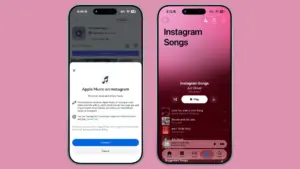
Instagram Rolls Out Apple Music Integration Allowing Users to Save Tracks Directly to Playlists
Instagram has officially expanded its audio integration capabilities by allowing users to...
 macOS & Apple IT Support
Apple Reaches Agreement to Hire AI Audio Startup Huxe’s Key Personnel and License Its Technology
Apple has reached an agreement to recruit key personnel from Huxe, an...
 macOS & Apple IT Support
Apple Details tvOS 27.2 Features in Official Release Notes, Highlighting Remote Tracking, FaceTime Enhancements, and Screen Saver Updates
Apple has updated its official support documentation to outline the full feature...







