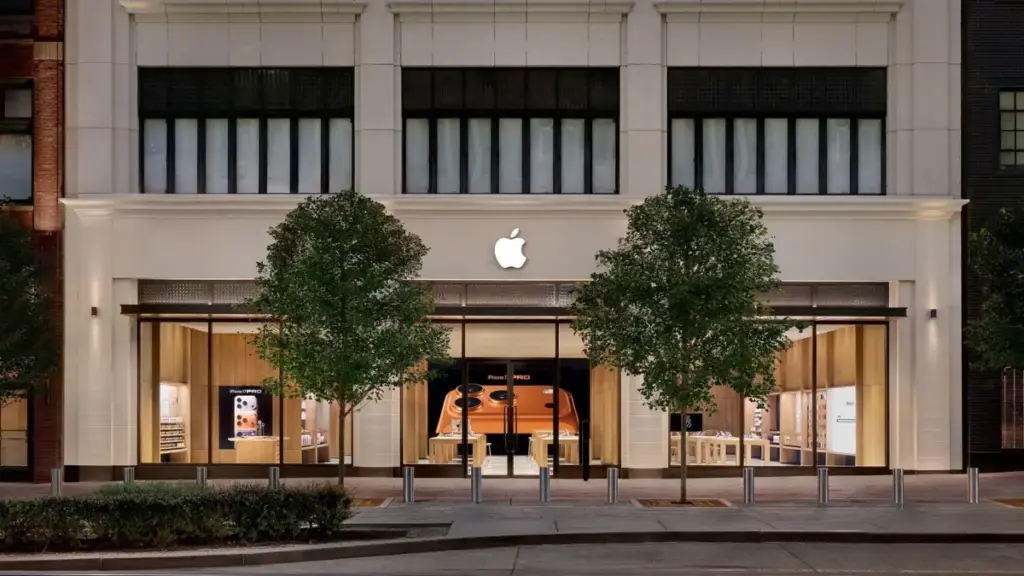
A growing controversy surrounding sales practices at Apple Store retail locations has come to light following a series of investigative videos released over a two-week span by electronics technician and consumer rights advocate Louis Rossmann. The reports allege that certain Apple Store employees in the United States have been enrolling customers in auto-renewing subscription service trials—including the bundled Apple One service—without obtaining explicit and informed consent.
The disclosures have placed a spotlight on the retail environment within Apple’s physical storefronts, specifically detailing how staff members assist customers with new device purchases and initial setup procedures. According to multiple tipsters who contacted Rossmann, the practice involved retail employees navigating subscription sign-ups on behalf of customers during in-store setup sessions, occasionally mischaracterizing promotional trials or bypassing customer authorization altogether in order to satisfy internal corporate metrics.
In the wake of these public disclosures, Apple has taken steps within its retail operations. The company has officially removed a performance tracking metric known as the "services attach rate" from at least some U.S. retail locations and distributed an internal directive to store staff. The corporate memo reinforces the necessity of obtaining informed customer consent across multiple retail touchpoints, including device setups, service authorizations, and subscription enrollments, as the company enters its peak holiday shopping season.
Allegations of Misleading Practices During Device Setup
The core of the controversy centers on the extended setup and personal assistance services offered to customers purchasing new devices at Apple Stores across the United States. When customers purchase products such as iPhones, iPads, or Macs, retail employees frequently assist them through a structured onboarding procedure designed to transfer data, configure settings, and introduce software features.
According to details brought to light by Rossmann’s tipsters, some retail employees exploited this onboarding process to sign customers up for recurring subscription trials without clearly communicating the long-term financial commitments involved. Apple offers various trial periods for services such as Apple One—which bundles Apple Music, Apple TV+, Apple Arcade, iCloud storage, and other features into a single monthly tier—as well as standalone service offerings.
The reports indicate that some retail workers rushed through the configuration screens, glossing over the legal and financial terms associated with the trials. In several instances, employees allegedly framed the recurring subscription trials to customers as free "gifts" or complimentary add-ons included with their hardware purchase, omitting the critical detail that these trials would automatically convert into paid monthly subscriptions once the promotional period concluded.
More severely, tipsters alleged that certain employees took physical control of the device during the setup process and tapped the on-screen "Agree" or confirmation buttons themselves. By doing so, the employees effectively bypassed the customer’s opportunity to read the terms or grant explicit consent, ensuring that the subscription activation went through successfully during the transaction.
While Apple automatically generates and sends confirmation emails to customer accounts whenever a new trial or service is activated, unsuspecting buyers often overlook these messages. Amid the influx of system notifications, receipt confirmations, and account alerts that typically accompany the setup of a new electronic device, many customers fail to recognize that the automated email signifies an active subscription set to auto-renew against their payment method at a later date.
The Impact of Internal Retail Metrics
The incentive behind these unauthorized enrollments appears to have been driven by an internal performance tracking metric utilized by Apple management. Until early last week, Apple monitored a benchmark known within its retail operations as the "services attach rate."
In at least some U.S. Apple Store locations, retail employees were evaluated against a specific target: a 40% services attach rate. Under this metric, staff members were expected to successfully sign up at least four out of every ten customers they assisted with a hardware purchase for at least one Apple subscription service.
Tracking individual attach rates placed pressure on retail workers to convert standard hardware transactions into recurring service engagements. Because sales metrics can influence employee evaluations, scheduling, and workplace standing, the requirement created an environment where some employees resorted to aggressive or unethical tactics to maintain high conversion numbers.
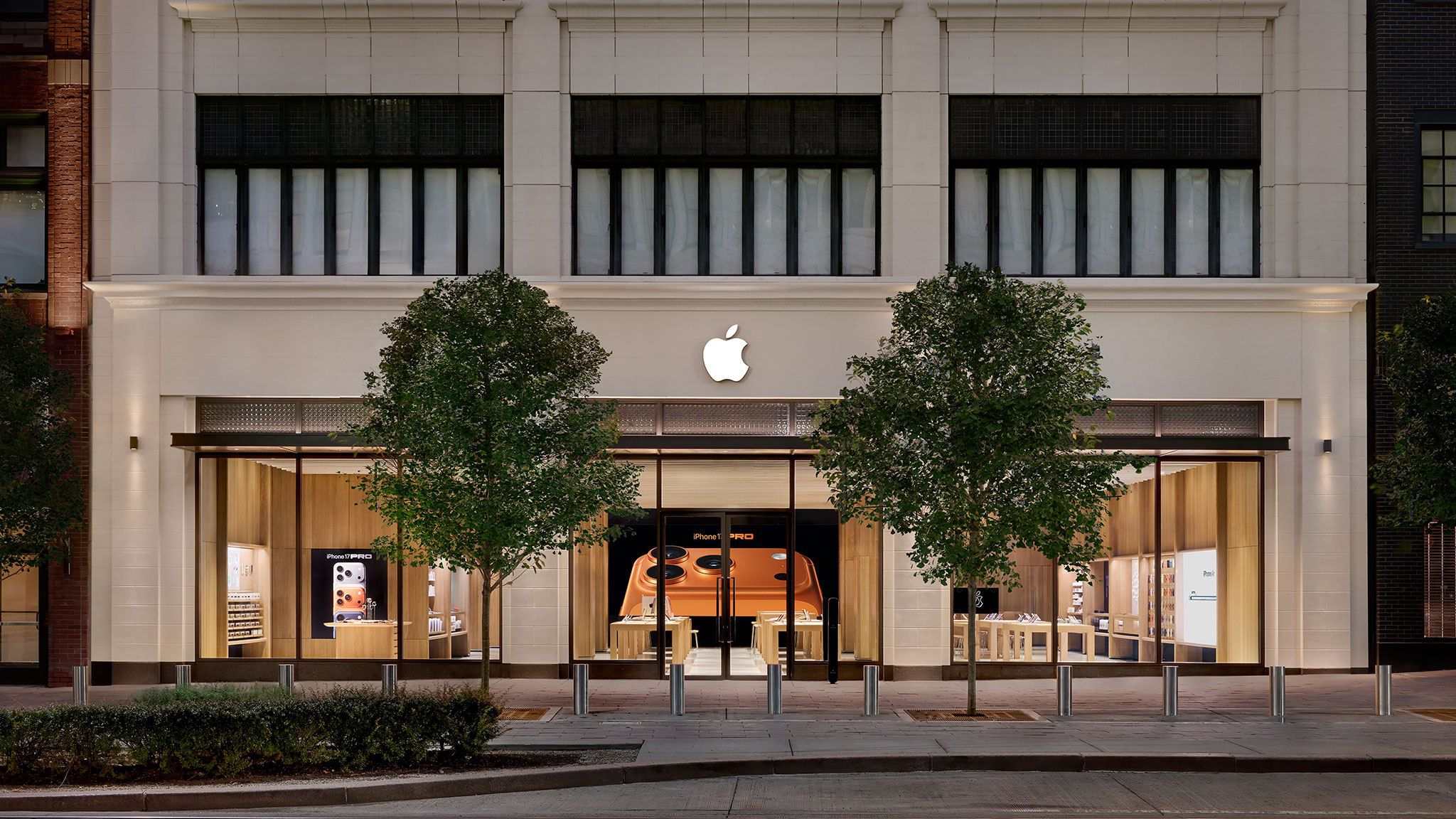
By pushing promotional trials—or directly confirming them on behalf of the customer—employees could artificially boost their individual attach rate to meet the 40% benchmark. This dynamic created a conflict between meeting internal corporate targets and upholding customer trust, ultimately leading to instances where consumer choice was compromised.
Metric Removed and Policy Reminders Issued
Following the widespread circulation of Rossmann’s video series exposing the practice, MacRumors confirmed that Apple officially removed the "services attach rate" metric for retail employees early last week. The change occurred just days after the initial videos brought public attention to the issue.
Despite the timing of the decision, the official explanation provided for the metric’s removal attributes the change to seasonal adjustments rather than external pressure. Corporate guidance indicated that the services attach rate metric becomes less relevant during the holiday shopping period, as a significant portion of retail customers purchase Apple devices as gifts for third parties rather than for personal use. In such gift-giving scenarios, setting up personalized accounts and attaching recurring services at the point of sale is often impractical.
Shortly after removing the metric, Apple issued an internal memo to its retail workforce stressing the critical importance of customer privacy, transparency, and explicit consent. The communication reminded employees that proper authorization must be obtained prior to initiating any transaction or service feature.
The internal memo specifically addressed the use of Apple’s "Connect and Personalize" system—the internal toolset used by staff during customer setups—and explicitly highlighted subscription trials as an area requiring unambiguous customer agreement. Furthermore, the directive reinforced consent protocols across other store operations, including sign-ups for the Apple iPhone Upgrade Program and work authorization approvals at the Genius Bar for technical support and hardware repairs.
The timing of the memo was strategic, landing just ahead of the launch of Apple’s annual holiday shopping season, which commenced on Friday. The holiday rush brings a surge of foot traffic to Apple Stores, prompting the company to onboard a large contingent of temporary and seasonal retail staff to manage the increased customer volume. Providing clear guidance on consent and privacy was particularly relevant for newly hired employees undergoing training during a high-stress sales period.
Whether the removal of the attach rate metric and the distribution of the consent memo were planned strictly in anticipation of the holiday sales window or were directly catalyzed by Rossmann’s public exposure remains unconfirmed. Nevertheless, the swift operational adjustments effectively address the primary mechanisms that enabled the unauthorized subscription enrollments to occur.
How to Audit and Manage Account Subscriptions
For consumers who have recently purchased a device at an Apple Store or assisted family members with in-store setups, reviewing active account subscriptions is a straightforward way to verify that no unauthorized trials were initiated.
On an iPhone or iPad, users can check their subscription status by following these steps within the operating system:
- Open the Settings application on the device.
- Tap the account banner displaying your name and Apple Account details at the top of the main menu.
- Select the Subscriptions option to view a comprehensive list of all active, recurring, and recently expired subscriptions associated with the account.
Within this menu, any active subscription trials—including Apple One bundles or individual services like Apple Music, Apple TV+, or Apple Arcade—will be listed alongside their upcoming renewal dates and billing amounts. Users can tap on any individual subscription to view its details and select "Cancel Subscription" or "Cancel All Services" to prevent future automatic charges. Canceling a promotional trial typically allows the user to continue using the service until the trial period officially expires, without incurring subsequent fees.
If a customer discovers an unauthorized charge or a subscription trial that was activated without their knowledge, Apple provides a centralized channel for billing resolutions. Users can navigate to reportaproblem.apple.com, log in with their Apple Account credentials, choose the "Request a refund" option from the drop-down menu, and follow the prompted steps to submit a claim for review.
As a general best practice, consumers are advised to routinely review their monthly credit card and bank statements to identify unexpected charges and ensure that promotional trials offered during retail transactions do not silently transition into unwanted recurring expenses.
 macOS & Apple IT Support
Apple Reportedly Developing Premium HomeView Smart Home Hub Featuring 9-Inch Swiveling Display and Robotic Arm for 2027 or 2028 Launch
Apple is planning to expand its smart home hardware lineup with a...
 macOS & Apple IT Support
App Developers Embrace iPhone Duo Form Factor with Skeuomorphic Designs and Interactive Folding Mechanics
The official arrival of the iPhone Duo marks a significant hardware transition...
 macOS & Apple IT Support
Banks and Credit Unions to Team Up Against Apple Pay Fees
In a major procedural setback for Apple Inc., a U.S. federal judge...