
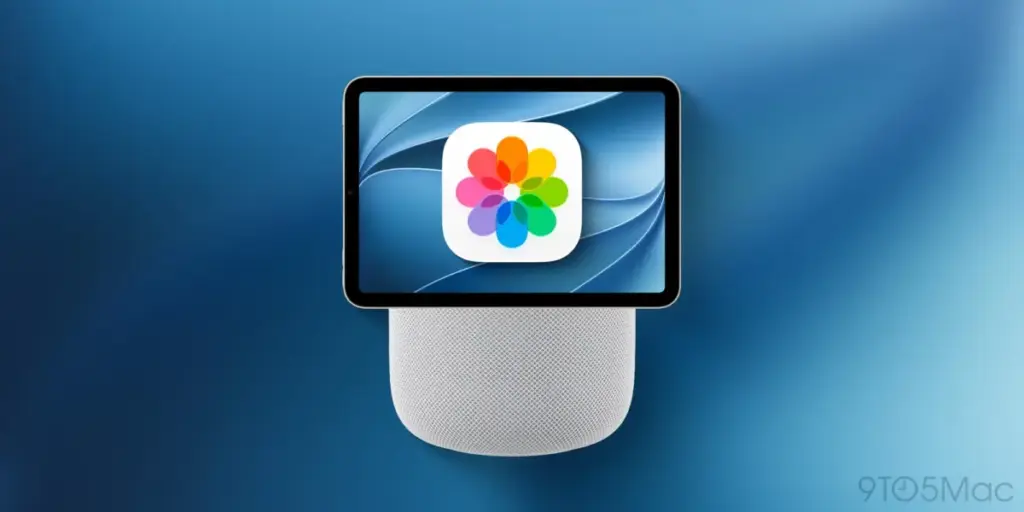
Apple is preparing to make its most significant leap into the smart home market in years, with a new centerpiece device designed to unify the household experience. According to a new report from Bloomberg’s Mark Gurman, the long-rumored smart home hub finally has a name: HomeView. The device is expected to be the star of an upcoming Apple media event titled "Welcome home," scheduled for October 13. While the announcement is just days away, the report indicates that consumers will have to wait a few additional weeks to get their hands on the hardware, with a retail release currently slated for mid-November.
The HomeView branding represents a strategic extension of Apple’s existing audio lineup. By utilizing the "Home" prefix, Apple is positioning the device as a natural companion to the HomePod and HomePod mini. However, where the HomePod has traditionally focused on high-fidelity audio and voice-activated assistance, the HomeView is designed to add a critical visual dimension to the ecosystem. This move brings Apple into direct competition with established smart displays like the Amazon Echo Show and Google’s Nest Hub, though Apple appears to be taking a distinctly premium and design-forward approach to the category.
One of the most striking revelations in the report concerns the physical design of the HomeView. Apple is reportedly looking to its own history for inspiration, adopting an aesthetic reminiscent of the iconic iMac G4. That classic computer, released in the early 2000s, was famous for its "sunflower" design, featuring a flat-panel monitor mounted on a polished chrome neck that protruded from a hemispherical base. The HomeView is said to follow a similar philosophy, featuring a floating display positioned atop a robust speaker base. This design choice suggests a high degree of adjustability, potentially allowing users to tilt and swivel the screen to ensure optimal visibility from various heights and angles within a room.
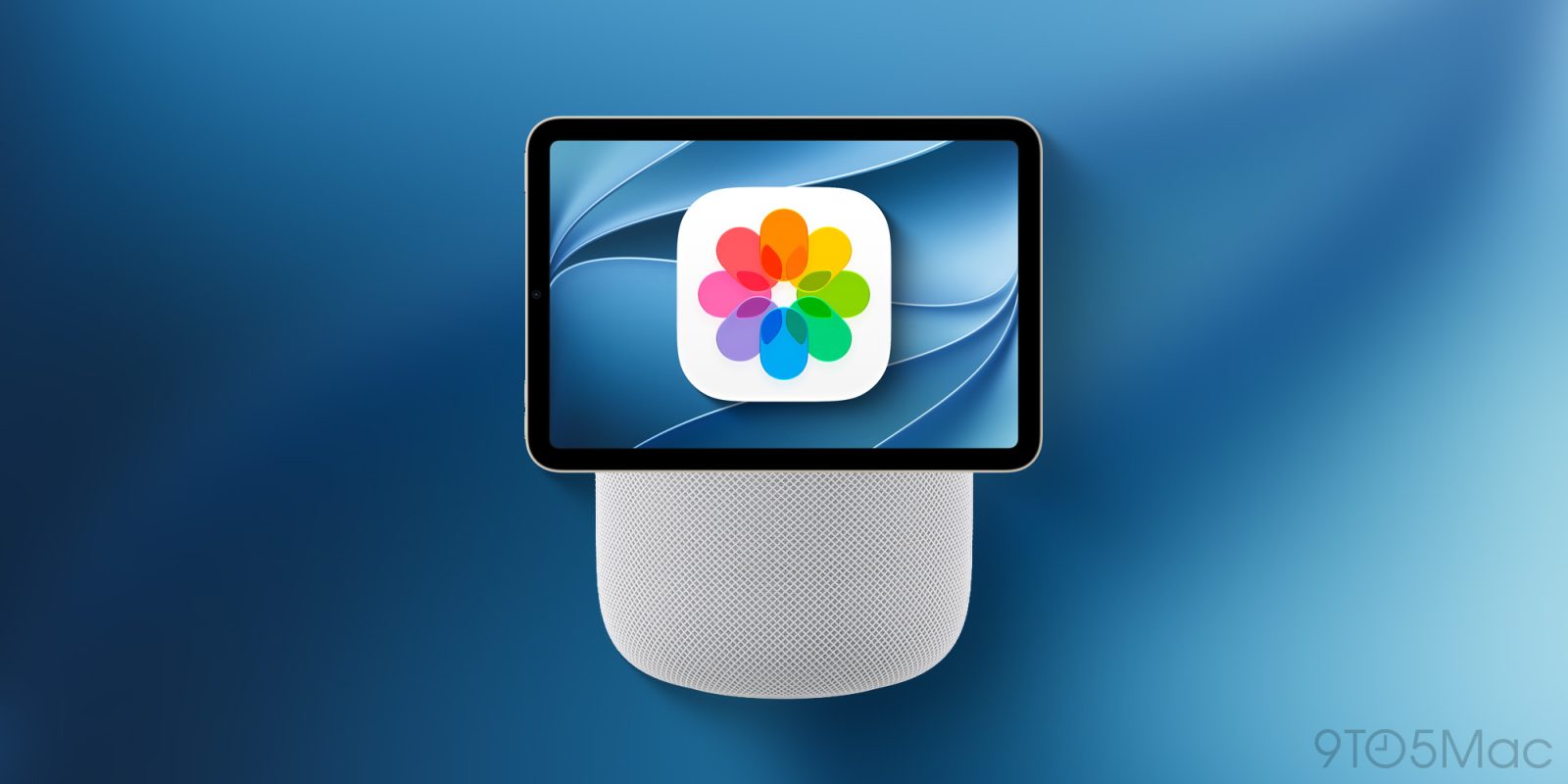
Under the hood, the HomeView will be a powerhouse compared to existing smart home controllers. Gurman reports that the device will be powered by Apple’s A18 chip, the same silicon found in the latest iPhone 16 lineup. The inclusion of such a high-performance processor suggests that the HomeView is being built with a heavy emphasis on local processing and sophisticated artificial intelligence. Given Apple’s recent push into "Apple Intelligence," the A18 chip likely provides the necessary overhead to handle complex voice requests, on-device data processing, and smooth animations that might overwhelm the lower-power processors typically found in smart speakers.
Apple is reportedly planning two distinct versions of the HomeView to cater to different installation preferences. The primary model, featuring the iMac G4-style speaker base, is intended for tabletops, kitchen counters, or nightstands. This flagship version will be offered in a variety of colors to match modern home decor, including space gray, silver, starlight, and a more vibrant pink option.
In addition to the tabletop model, Apple is developing a wall-mountable version of the HomeView. This variant will dispense with the "floating" arm and instead utilize a square base designed to sit flush against a wall. This model appears to be aimed at users who want a permanent control panel for their smart home, perhaps replacing traditional security keypads or thermostats. Unlike the more colorful tabletop version, the wall-mounted HomeView will be offered in a more restrained, monochrome palette of silver and space gray, allowing it to blend more seamlessly into architectural environments.
The user interface of the HomeView will represent a departure from the iPad-like experience some might expect. Rather than being a tablet attached to a speaker, the device is being designed as a voice-first appliance. Siri AI will serve as the centerpiece of the user experience, with the interface optimized for "viewing" content from across the room rather than up-close touch interaction. This "lean-back" approach suggests that the screen will prioritize large, legible information—such as weather updates, calendar appointments, and home security feeds—that can be easily digested at a glance.

Interestingly, the HomeView will not feature a dedicated App Store. Instead of running standalone third-party applications, the device will rely on Apple’s own suite of home-optimized apps. To bridge the gap for third-party functionality, Apple is reportedly implementing a system where users can project widgets from their nearby iPhones onto the HomeView screen. This approach keeps the device’s software environment tightly controlled and focused on home utility while still allowing users to see data from their favorite third-party services.
The "Welcome home" event on October 13 is expected to be a comprehensive refresh of Apple’s entire home strategy. Beyond the HomeView, Apple is reportedly preparing hardware updates for its existing stable of products. The Apple TV set-top box is expected to receive a hardware refresh, likely focusing on improved processing power to keep pace with modern gaming and streaming demands. Similarly, the HomePod mini, which has remained largely unchanged since its debut, is also slated for a refresh to ensure it remains a viable entry point for the Apple home ecosystem.
Perhaps most significantly, Apple is looking beyond its own hardware to create a more cohesive smart home experience. The company has reportedly entered into a partnership with appliance giant LG to facilitate a new range of smart home accessories. This initiative is expected to include Apple-certified or co-developed smart thermostats, door locks, and doorbells. By collaborating with an established player like LG, Apple can quickly expand the number of devices that work natively within its "Home" framework, addressing a long-standing criticism that the HomeKit ecosystem lacked the variety of compatible hardware found in rival platforms.
This broader initiative suggests that Apple is no longer content with the home being a secondary market for its devices. By combining a high-end, design-focused hub like the HomeView with a refreshed Apple TV and a new line of essential home accessories, the company is attempting to create an integrated domestic environment where hardware, software, and services are inextricably linked.

The timing of the mid-November release is also strategic. By announcing the HomeView in mid-October and launching it a month later, Apple positions the device as a major contender for the holiday shopping season. It provides a new "hero" product for the company’s retail stores, offering a physical manifestation of the Apple smart home vision that customers can interact with.
As the October 13 event approaches, the HomeView stands as one of Apple’s most ambitious experimental designs in years. By blending the nostalgia of the iMac G4 with the cutting-edge power of the A18 chip and a new AI-driven interface, Apple is betting that consumers are ready for a dedicated home controller that prioritizes aesthetics and ease of use over the multipurpose complexity of a traditional tablet.
With the official unveiling set for Tuesday, the tech industry is watching closely to see if the HomeView can finally turn the smart home from a collection of disparate gadgets into a unified, Apple-defined experience. The inclusion of third-party widget projection and the partnership with LG indicate a more open, yet still curated, approach to the connected home, marking a new chapter in Apple’s ongoing evolution.
 Smart Home & IoT Solutions
Apple Targets 2027 for Launch of Dedicated Home Security and Monitoring Service
For years, Apple’s presence in the smart home market has been characterized...
 Smart Home & IoT Solutions
Schlage Set to Launch Sense Pro Smart Deadbolt with Ultra Wideband Support for Apple Home Users
The landscape of the smart home security market is poised for a...
 Smart Home & IoT Solutions
Apple Signals Major Smart Home Pivot with Rumored 2027 Security Service and AI-Driven Hardware
For years, Apple’s presence in the smart home market has been characterized...







