
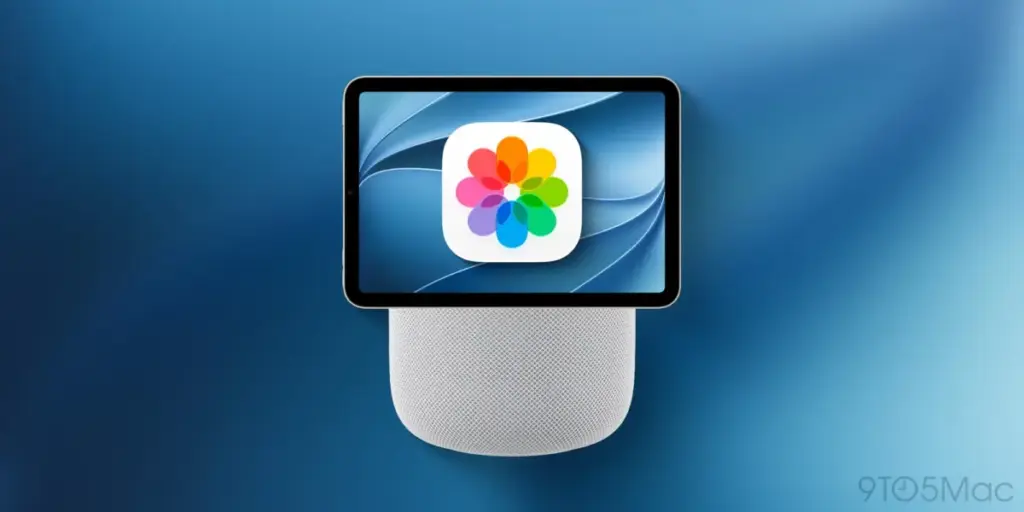
This broader initiative suggests that Apple is no longer content with the home being a secondary market for its devices. By combining a high-end, design-focused hub like the HomeView with a refreshed Apple TV and a new line of essential home accessories, the company is attempting to create an integrated domestic environment where hardware, software, and services are inextricably linked.

The timing of the mid-November release is also strategic. By announcing the HomeView in mid-October and launching it a month later, Apple positions the device as a major contender for the holiday shopping season. It provides a new "hero" product for the company’s retail stores, offering a physical manifestation of the Apple smart home vision that customers can interact with.
As the October 13 event approaches, the HomeView stands as one of Apple’s most ambitious experimental designs in years. By blending the nostalgia of the iMac G4 with the cutting-edge power of the A18 chip and a new AI-driven interface, Apple is betting that consumers are ready for a dedicated home controller that prioritizes aesthetics and ease of use over the multipurpose complexity of a traditional tablet.
With the official unveiling set for Tuesday, the tech industry is watching closely to see if the HomeView can finally turn the smart home from a collection of disparate gadgets into a unified, Apple-defined experience. The inclusion of third-party widget projection and the partnership with LG indicate a more open, yet still curated, approach to the connected home, marking a new chapter in Apple’s ongoing evolution.
 Smart Home & IoT Solutions
The Frictionless Frontier: Why the Apple Home Collection Could Finally Bring the Smart Home to the Masses
For those deeply embedded in the world of consumer technology, it is...
 Smart Home & IoT Solutions
Apple Partners with LG for Major Smart Home Expansion Featuring New Cameras, Locks, and Thermostats
In a significant strategic shift for its domestic technology ecosystem, Apple is...
 Smart Home & IoT Solutions
Apple Ties New AI-Powered Home Security Features to Premium 2TB iCloud+ Subscription Tier
As Apple continues to integrate its sophisticated "Apple Intelligence" suite across its...







