
Apple is reportedly standing on the precipice of its next major product category launch, with a new smart home display expected to debut in less than two weeks. According to a comprehensive report from Bloomberg, the tech giant is finally ready to bridge the gap in its ecosystem by introducing a dedicated hardware hub designed to anchor the modern smart home. This long-anticipated move marks a strategic shift for the company, as it seeks to compete more directly with established players like Amazon and Google in the ambient computing space.
The upcoming device is described as a sophisticated central controller that combines the utility of a tablet with the permanence of a home appliance. While Apple has long offered the HomePod and Apple TV as auxiliary hubs, this new product represents the first time the company has engineered a device specifically to serve as a visual and interactive command center for household automation and communication.
A Design Language Rooted in Apple Heritage
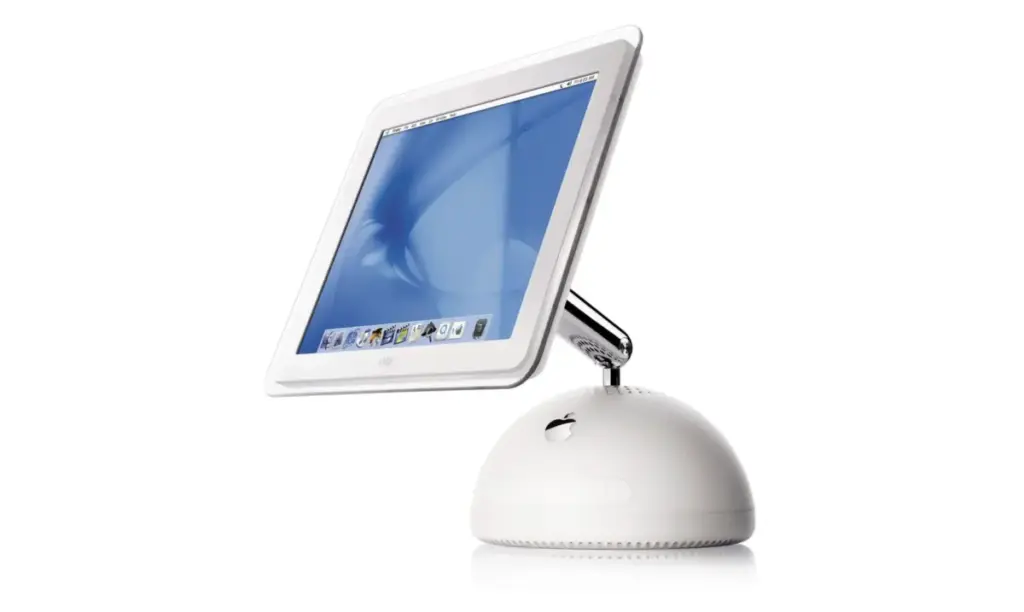
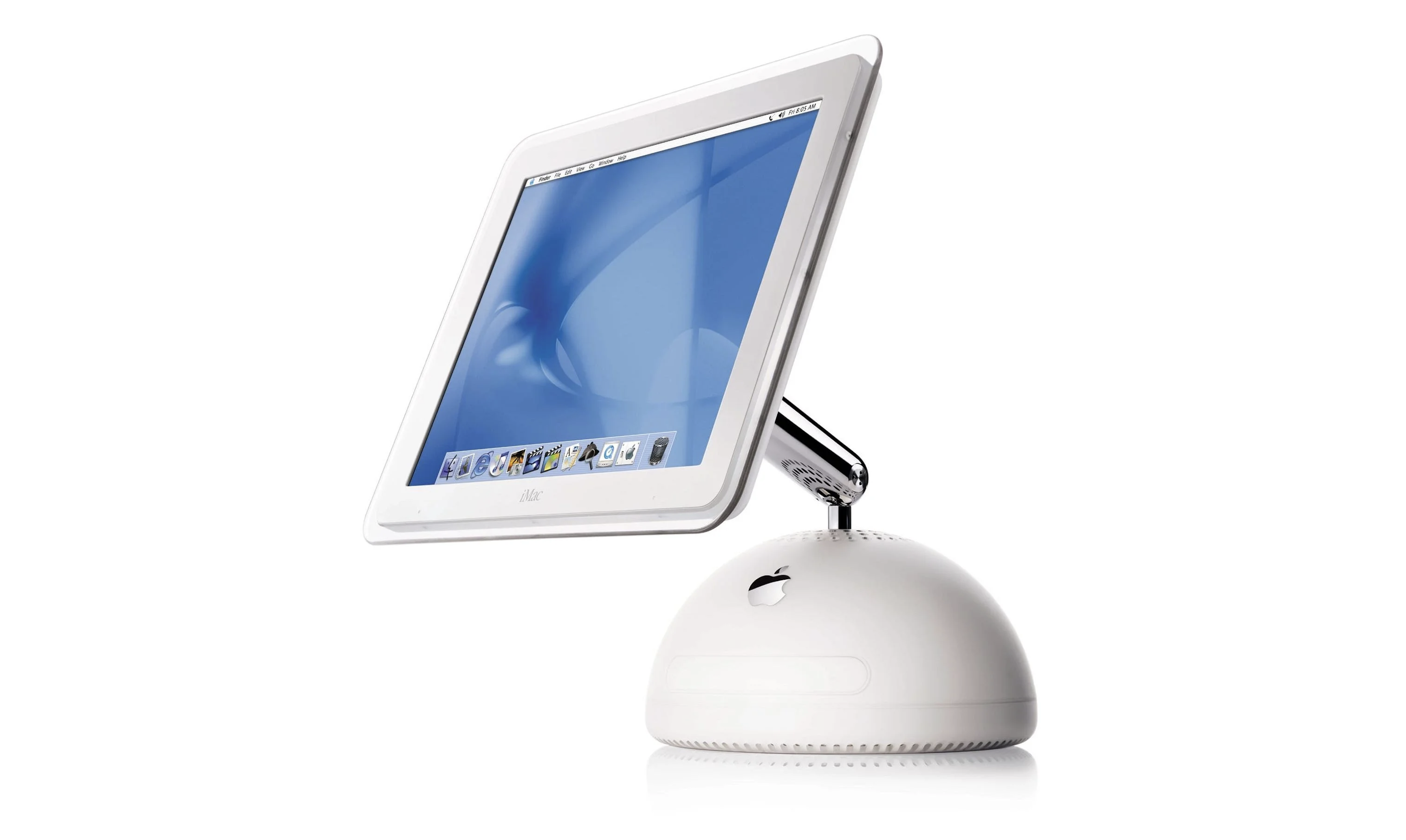
Perhaps the most striking detail emerging from the latest reports is the aesthetic direction Apple has chosen for this new hardware. The device reportedly features a design that pays homage to one of the most beloved pieces of industrial design in the company’s history: the iMac G4. Released in the early 2000s and affectionately known as the "Sunflower" or the "Lamp," the iMac G4 was famous for its hemisphere-shaped base and a polished metal neck that allowed the screen to float and tilt with effortless precision.
According to the report, Apple’s new smart home hub will utilize a similar philosophy. The device is said to feature a small, square display—roughly 6 inches in size—mounted on a base that echoes the iconic half-dome shape of the G4. This choice is not merely a nostalgic nod; it serves a functional purpose. By using a pedestal-style base with an adjustable arm, Apple is providing users with the ability to angle the screen for various tasks, whether it is glancing at a recipe on a kitchen counter or adjusting the tilt for a FaceTime call while sitting at a desk.

The display itself is described as having a sleek, modern profile, reportedly being "about as thick as an iPhone." To maintain a familiar aesthetic, the screen is expected to feature quarter-inch black bezels, reminiscent of the borders seen on previous generations of the iPad. Furthermore, the hardware follows Apple’s modern design language of soft, approachable geometry, featuring rounded corners and a lack of sharp edges, ensuring the device blends seamlessly into a domestic environment.
Versatility in Placement and Function
While the desk-bound version of the hub is expected to be the flagship model, Bloomberg indicates that Apple has developed a second variant designed specifically for permanent installation. This version is reportedly engineered to be mounted directly onto a wall, serving as a high-tech control panel for the home’s lighting, climate, and security systems.
The wall-mounted iteration differs slightly in its physical architecture. Rather than the G4-inspired dome, this model is said to utilize a thin, square-shaped base that sits flush against the wall beneath the display. This base is not merely a mounting bracket; it is a functional component that houses the device’s speakers and a sophisticated microphone array. By separating these components into a dedicated base that sits flat against the wall, Apple can maintain a slim profile for the screen while still delivering the high-quality audio and voice recognition capabilities required for a device that relies heavily on Siri and intercom functionality.
Both versions of the device are expected to utilize USB-C for power delivery, aligning with Apple’s universal transition away from proprietary charging standards. This choice also simplifies installation for those looking to integrate the wall-mounted version into existing home wiring or through standard cable management solutions.
Filling a Strategic Void in the Apple Ecosystem
The timing of this launch is critical for Apple. For years, the company has championed its HomeKit platform, but it has lacked a dedicated, screen-based terminal to act as the "brain" of the house. Currently, users must rely on their iPhones, iPads, or the Siri interface on a HomePod to manage their connected devices. While functional, this approach lacks the "glanceability" and communal access provided by dedicated smart displays like the Amazon Echo Show or the Google Nest Hub.
By introducing a 6-inch smart display, Apple is targeting a sweet spot in the market. The size suggests a device that is unobtrusive enough to sit on a bedside table but large enough to display clear controls for smart lights, thermostats, and security cameras. It is expected to run a specialized version of Apple’s operating systems—internally often referred to as "homeOS"—which will likely prioritize large, touch-friendly widgets and a highly responsive Siri interface.
This new hardware is also expected to be a primary vehicle for Apple Intelligence, the company’s suite of artificial intelligence features. A dedicated home hub provides the perfect environment for a proactive assistant that can manage household schedules, provide personalized reminders, and offer context-aware suggestions based on the time of day or the user’s habits.
The Legacy of the iMac G4 and the Future of Home Hardware
The decision to revisit the iMac G4’s design language speaks to Apple’s desire to make home technology feel more human and less like a sterile piece of office equipment. The original G4 was celebrated for its ergonomics; the screen felt weightless and could be moved with a single finger. Replicating this sensation in a smart home hub could solve one of the primary complaints regarding current smart displays, which are often static, bulky, and difficult to view from multiple angles.
The 6-inch square form factor is also a departure from the typical widescreen aspect ratios found on most tablets and smart displays. A square screen is particularly well-suited for displaying smart home control grids, digital clocks, and even photo albums in a way that feels more like a traditional frame than a computer monitor.

As Apple prepares for this launch, the industry is watching closely to see how the company prices these units. To achieve the "multiple-room" adoption that characterizes successful smart home setups, Apple may need to find a more aggressive price point than is typical for its premium hardware. However, given the rumored inclusion of high-quality speakers, a unique mechanical arm, and the latest silicon to support Apple Intelligence, the device is clearly being positioned as a premium alternative to the budget-friendly options currently dominating the market.
Looking Ahead to the Launch
With the launch reportedly less than two weeks away, the final details regarding software integration and specific "killer features" remain the subject of intense speculation. Industry analysts expect the device to feature deep integration with Apple’s existing services, including Music, Podcasts, and FaceTime. There is also potential for the device to act as a high-end digital photo frame, pulling from a user’s iCloud Shared Photo Library to turn the hub into a rotating gallery of family memories when not in active use.
The introduction of this product marks the end of a long development cycle. Rumors of an Apple smart display have circulated for years, with various iterations reportedly tested and discarded in Apple’s labs. The version described in the Bloomberg report suggests a refined, focused product that leverages Apple’s greatest strengths: industrial design, ecosystem lock-in, and a commitment to privacy-focused artificial intelligence.
As the smart home market moves toward the Matter standard—a protocol Apple helped develop to ensure interoperability between different brands of smart devices—the new hub is expected to serve as a primary Matter controller. This will allow users to manage a wide array of third-party devices with the same ease and security they expect from Apple-branded products.
Whether users choose the G4-inspired desk model for its iconic silhouette or the wall-mounted version for its sleek integration, Apple’s entry into the smart display category is set to redefine how users interact with their living spaces. By blending nostalgia for its design past with a vision for an AI-driven future, Apple is betting that the smart home hub is the next essential screen in our lives.
 Smart Home & IoT Solutions
Abode Expands Smart Home Ecosystem with New Specialized Sensors for Garage and Outdoor Security
In an era where home security is increasingly moving toward integrated, user-managed...
 Smart Home & IoT Solutions
Apple Poised to Enter Smart Home Display Market with New Hardware Inspired by Iconic iMac G4 Design
Apple is reportedly less than two weeks away from unveiling its most...
 Smart Home & IoT Solutions
Apple Partners with LG for Major Smart Home Expansion Featuring New Cameras, Locks, and Thermostats
In a significant strategic shift for its domestic technology ecosystem, Apple is...







