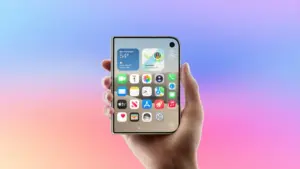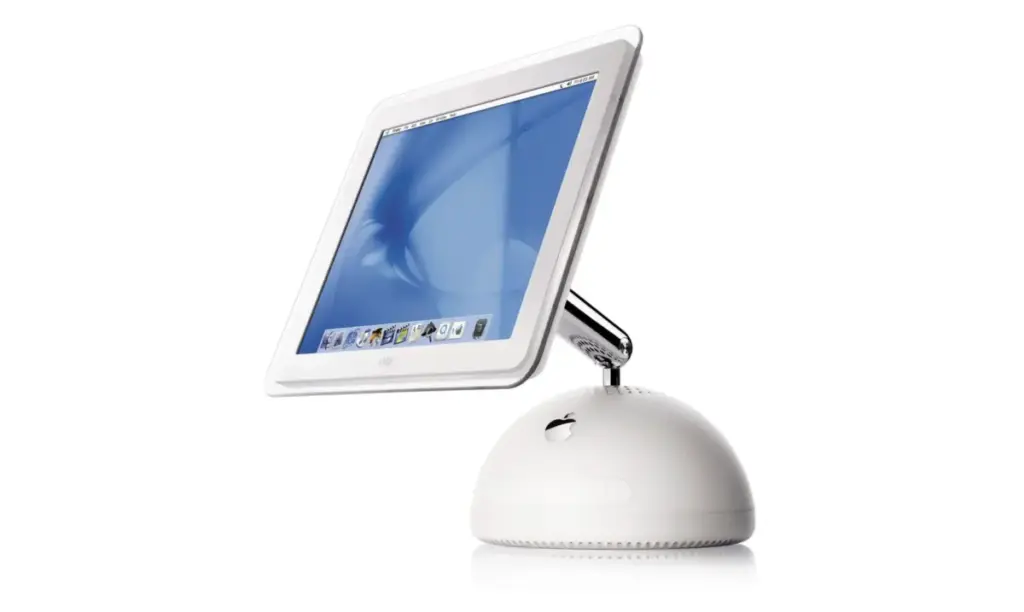
The wall-mounted iteration differs slightly in its physical architecture. Rather than the G4-inspired dome, this model is said to utilize a thin, square-shaped base that sits flush against the wall beneath the display. This base is not merely a mounting bracket; it is a functional component that houses the device’s speakers and a sophisticated microphone array. By separating these components into a dedicated base that sits flat against the wall, Apple can maintain a slim profile for the screen while still delivering the high-quality audio and voice recognition capabilities required for a device that relies heavily on Siri and intercom functionality.
Both versions of the device are expected to utilize USB-C for power delivery, aligning with Apple’s universal transition away from proprietary charging standards. This choice also simplifies installation for those looking to integrate the wall-mounted version into existing home wiring or through standard cable management solutions.
Filling a Strategic Void in the Apple Ecosystem
The timing of this launch is critical for Apple. For years, the company has championed its HomeKit platform, but it has lacked a dedicated, screen-based terminal to act as the "brain" of the house. Currently, users must rely on their iPhones, iPads, or the Siri interface on a HomePod to manage their connected devices. While functional, this approach lacks the "glanceability" and communal access provided by dedicated smart displays like the Amazon Echo Show or the Google Nest Hub.
By introducing a 6-inch smart display, Apple is targeting a sweet spot in the market. The size suggests a device that is unobtrusive enough to sit on a bedside table but large enough to display clear controls for smart lights, thermostats, and security cameras. It is expected to run a specialized version of Apple’s operating systems—internally often referred to as "homeOS"—which will likely prioritize large, touch-friendly widgets and a highly responsive Siri interface.
This new hardware is also expected to be a primary vehicle for Apple Intelligence, the company’s suite of artificial intelligence features. A dedicated home hub provides the perfect environment for a proactive assistant that can manage household schedules, provide personalized reminders, and offer context-aware suggestions based on the time of day or the user’s habits.
The Legacy of the iMac G4 and the Future of Home Hardware
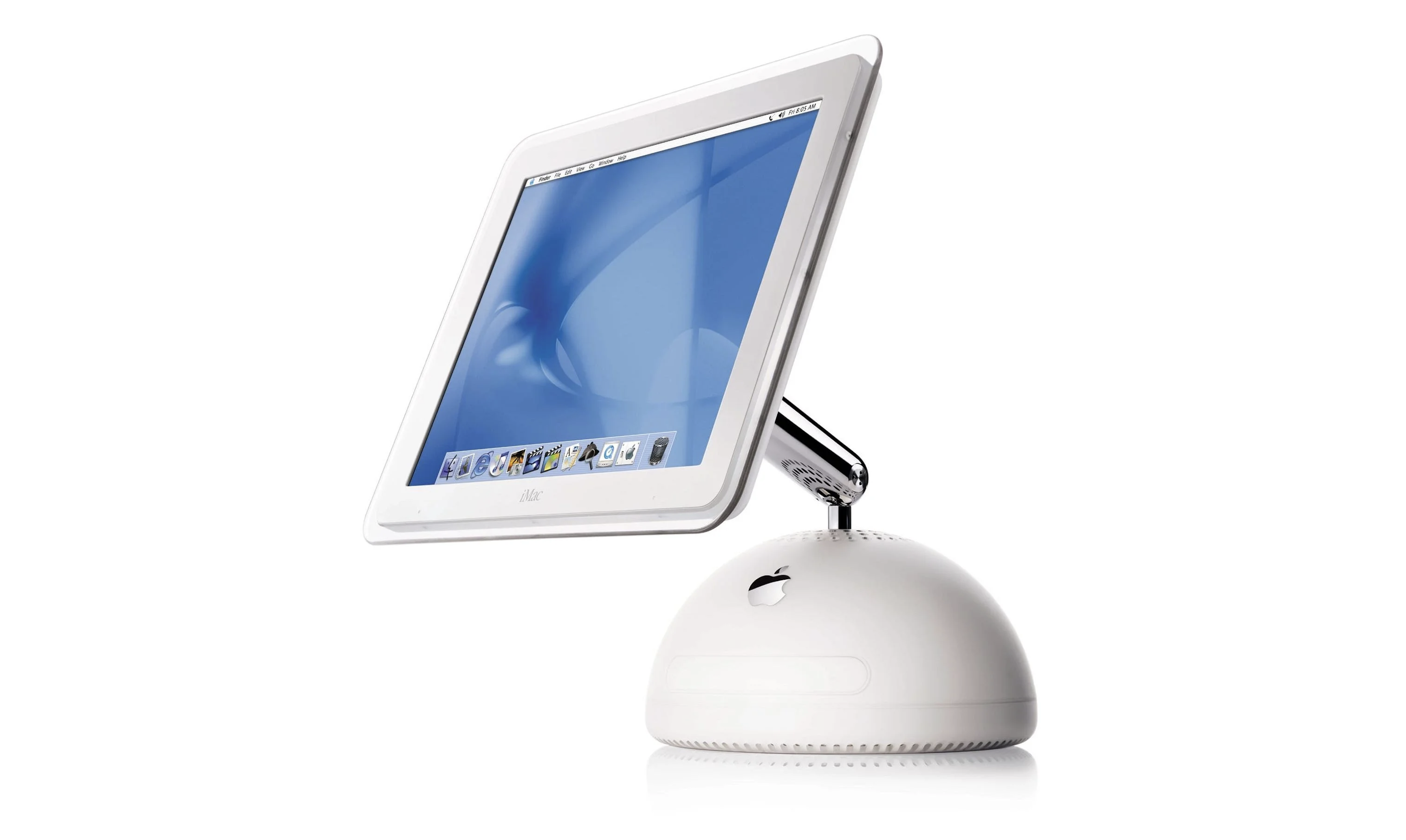
The decision to revisit the iMac G4’s design language speaks to Apple’s desire to make home technology feel more human and less like a sterile piece of office equipment. The original G4 was celebrated for its ergonomics; the screen felt weightless and could be moved with a single finger. Replicating this sensation in a smart home hub could solve one of the primary complaints regarding current smart displays, which are often static, bulky, and difficult to view from multiple angles.
 Smart Home & IoT Solutions
Apple Partners with LG for Strategic Smart Home Expansion Featuring New Cameras and Sensors
In a significant move to revitalize its presence in the domestic technology...
 Smart Home & IoT Solutions
Apple Prepares for Major Smart Home Expansion as Siri AI Sets the Stage for New Hardware
For the better part of the last decade, Apple’s presence in the...
 Smart Home & IoT Solutions
Apple to Unveil ‘HomeView’ Smart Hub at Upcoming ‘Welcome Home’ Event with iMac G4-Inspired Design and A18 Chip
Apple is preparing to significantly expand its presence in the smart home...