
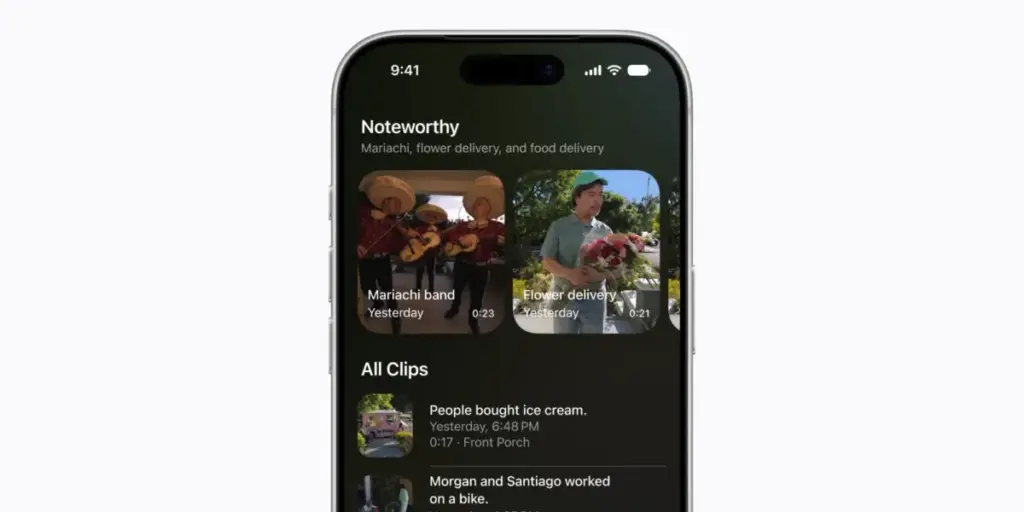
As Apple prepares for its highly anticipated "Welcome Home" special event on October 13, the tech giant is setting the stage for a significant transformation of its smart home ecosystem. While the upcoming hardware announcements are expected to introduce a new generation of Home devices, the software foundation has already been laid within iOS 27. This latest operating system update brings the most substantial overhaul to the Home app in years, leveraging the deep integration of Apple Intelligence to solve long-standing user frustrations and pushing the technical boundaries of home surveillance.
The updates arriving with iOS 27 are not merely aesthetic; they represent a fundamental shift in how Apple envisions the "intelligent home." By moving beyond simple remote control and into the realm of proactive assistance, Apple is utilizing its proprietary silicon and on-device machine learning to make the smart home more intuitive, less intrusive, and significantly more capable. Two primary pillars anchor this update: a massive technical leap for HomeKit Secure Video and a sophisticated new notification system designed to eliminate the "alert fatigue" that has long plagued smart home users.
HomeKit Secure Video Packs Substantial Upgrades in iOS 27
For years, HomeKit Secure Video (HKSV) has been a cornerstone of Apple’s privacy-focused smart home strategy. Included as part of the iCloud+ subscription service, HKSV provides users with end-to-end encrypted video storage, ensuring that neither Apple nor third parties can access sensitive household footage. However, despite its security credentials, the service has historically lagged behind competitors in terms of raw technical specifications—most notably in video resolution.
In iOS 27, Apple is finally addressing the primary criticism of the platform by introducing support for 4K video. Since its inception, HomeKit Secure Video has been capped at 1080p HD resolution, a limitation that often resulted in grainy footage when users attempted to zoom in on distant objects or identify faces at the edge of a camera’s range. Apple has officially confirmed that "supported HomeKit Secure Video cameras can now stream and record in 4K," a move that brings the platform into parity with high-end dedicated security systems.
This jump to 4K is more than just a resolution bump; it necessitates a robust backend infrastructure and efficient compression algorithms to ensure that the higher-resolution files do not clog home networks or exhaust iCloud storage limits. By utilizing advanced HEVC (High-Efficiency Video Coding) and the processing power of modern Apple Home hubs—such as the Apple TV 4K and HomePod—the system can now handle the massive data throughput required for Ultra HD surveillance without sacrificing the end-to-end encryption that defines the service.
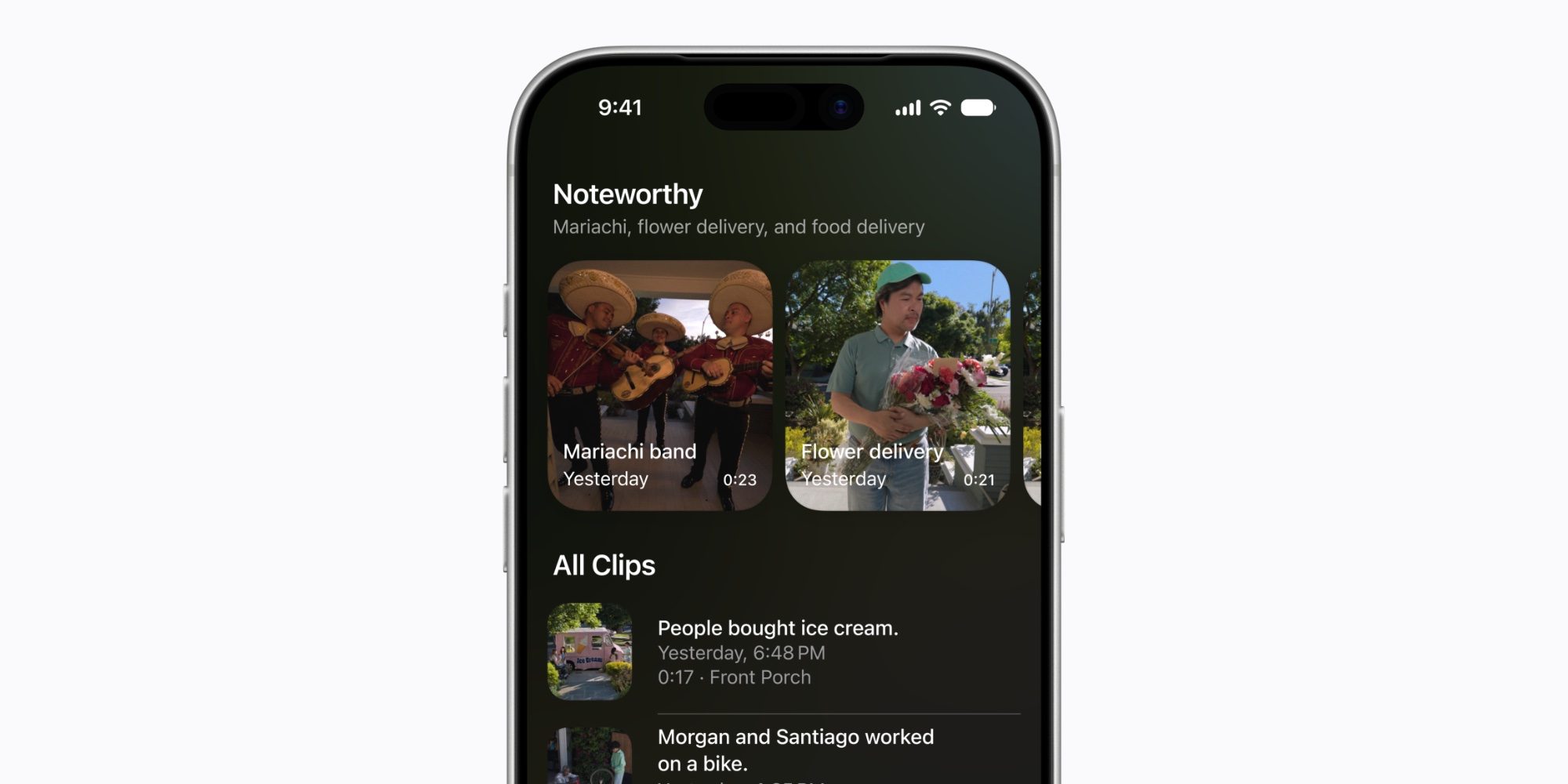
Beyond the increase in visual fidelity, iOS 27 introduces three major functional upgrades to HomeKit Secure Video, all powered by the new Apple Intelligence framework. These AI-driven features are designed to transform the Home app from a passive viewer into an active analyzer of home activity.
The first of these upgrades is an enhanced semantic search capability for video clips. Rather than scrolling through hours of motion-triggered events, users can now use natural language queries to find specific moments. Apple Intelligence analyzes the content of the recorded video on-device, allowing users to search for phrases like "when did the delivery truck arrive?" or "show me the kids playing in the backyard yesterday." This metadata-driven approach allows for near-instant retrieval of relevant footage, significantly reducing the friction of monitoring home security.
Secondly, Apple Intelligence improves the accuracy of object and person recognition. While previous versions of iOS could distinguish between people, pets, and vehicles, iOS 27 offers a more nuanced understanding of context. The system can now recognize specific household members with greater reliability and can even identify specific types of activity, such as distinguishing between a person simply walking past a door and someone lingering suspiciously at an entrance.
Finally, the integration of Apple Intelligence allows for smarter activity automations. Instead of a simple motion trigger that turns on a light every time a branch moves in the wind, iOS 27 can verify the nature of the movement before executing a command. This reduces "false positives" in automation, ensuring that smart home actions are only taken when they are genuinely useful to the inhabitants.
To take full advantage of these features, users will need compatible hardware. While many existing 1080p cameras will benefit from the new AI features, the 4K streaming and recording capabilities will require new or updated hardware from manufacturers who support the updated HKSV specifications. Industry leaders such as Logitech, Eve, and Aqara are expected to be at the forefront of this transition, offering sensors and lenses capable of capturing the level of detail that iOS 27 is now prepared to process.
Real-Time Notification Updates and the End of Alert Spam
The second major pillar of the iOS 27 Home app update focuses on the user experience of receiving information. One of the most common complaints among smart home enthusiasts is "notification fatigue"—the phenomenon where a single event, such as a family member returning home, triggers a cascade of separate alerts from various devices. A smart lock, a doorbell camera, a garage door opener, and an indoor motion sensor might all send individual pings, cluttering the user’s Lock Screen and leading them to eventually ignore or disable notifications altogether.
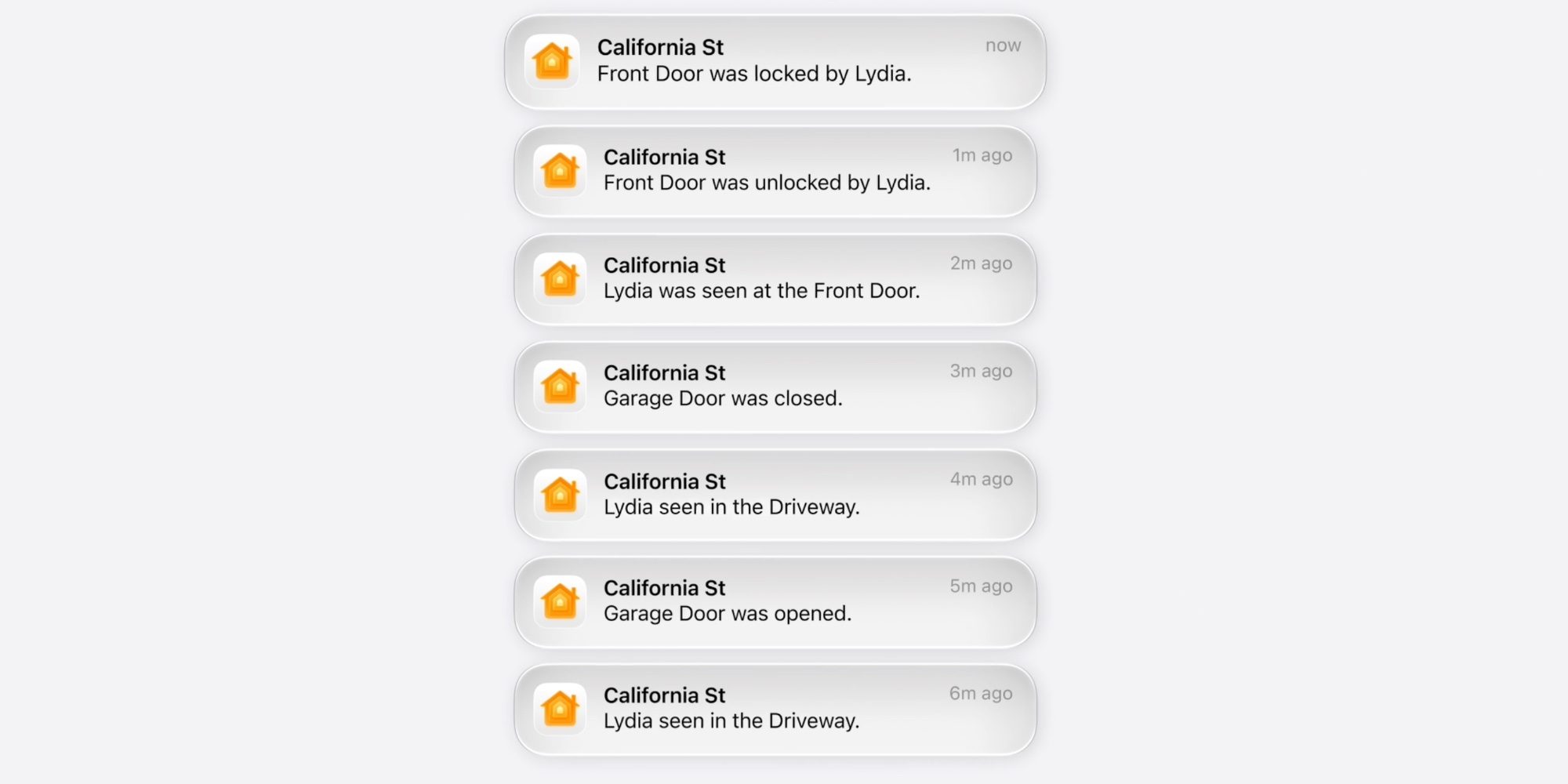
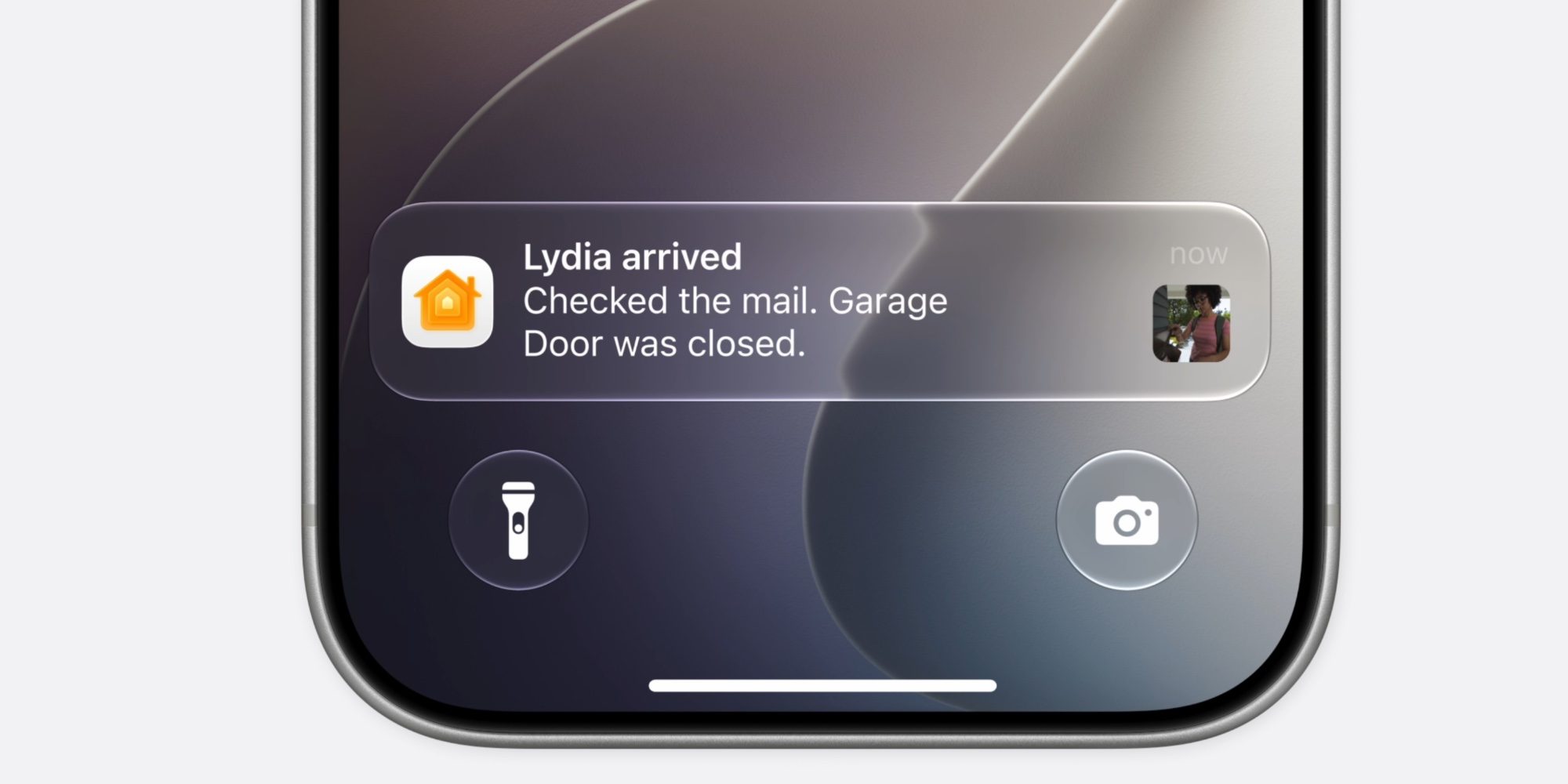
Apple is addressing this issue head-on with a new AI-powered feature: real-time updating notifications. According to Apple, the Home app now "draws on Apple Intelligence to understand related notifications as a single activity." Instead of a chronological list of disconnected events, the system groups them into a cohesive narrative that updates dynamically as the situation unfolds.
Inside the settings menu of the Home app, users will find a new section dedicated to Apple Intelligence, featuring a "Reduce Notifications" toggle. The description for this feature explains that it will "combine related activities, such as someone arriving and unlocking the door, in one notification that updates in real time."
This is a significant departure from the traditional notification model. For example, if a resident named Lydia arrives home, a user would previously receive separate alerts: one for the driveway camera detecting a vehicle, one for the garage door opening, one for the mudroom motion sensor, and one for the smart lock being disengaged. In iOS 27, these are condensed into a single, persistent notification. The alert might initially say "Lydia arrived," and then silently update its own text to add, "Checked the mail. Garage Door was closed."

This "Live Activity" style of notification ensures that the user is always looking at the most current and relevant information. It effectively turns the notification center into a real-time status board rather than a historical log. By focusing on the "latest, most relevant info," Apple is making the smart home feel less like a collection of disparate gadgets and more like a unified, intelligent system.
This functionality relies on the temporal and spatial proximity of events. Apple Intelligence analyzes the timing and location of various sensor triggers to determine if they belong to the same "event chain." If the garage door opens and, thirty seconds later, the kitchen door unlocks, the system correctly identifies this as a single person moving through the house. This high-level reasoning is performed on-device, maintaining Apple’s commitment to privacy while providing a level of convenience that was previously impossible.
Preparing for the "Welcome Home" Event
The timing of these software enhancements is no coincidence. By releasing these features as part of iOS 27, Apple is creating the necessary environment for the new hardware expected to debut at next week’s October 13 event. Rumors suggest that the "Welcome Home" keynote will feature a range of new accessories, potentially including updated HomePods, new camera hardware, and perhaps even long-rumored smart displays designed to act as central command centers for the household.

The inclusion of 4K support in HKSV strongly suggests that Apple may be preparing to launch its own first-party security camera or is working closely with partners to debut high-end 4K sensors. Similarly, the "Reduce Notifications" feature would be particularly effective on a dedicated home display, where a constant, quiet stream of status updates is more valuable than a barrage of intrusive pop-ups.
As the smart home market continues to mature, the focus is shifting from basic connectivity to sophisticated intelligence. With iOS 27, Apple is positioning itself as the leader in "private intelligence," offering features that rival the data-heavy approaches of competitors like Google and Amazon but with a strict emphasis on local processing and user security.
For current users of the Home app, these upgrades represent a significant quality-of-life improvement. The ability to finally see home security footage in 4K resolution, combined with a notification system that understands the context of daily life, makes the Apple Home ecosystem more formidable than ever. As the tech community looks toward next week’s event, it is clear that iOS 27 has set a high bar for whatever hardware follows. Whether these features will be enough to sway users away from competing platforms remains to be seen, but for the Apple faithful, the home has never looked—or behaved—quite this smart.
 Smart Home & IoT Solutions
Apple and LG Collaborate on Major Smart Home Expansion to Reboot the HomeKit Ecosystem
In a significant strategic shift aimed at revitalizing its presence in the...
 Smart Home & IoT Solutions
Apple Reimagines the Smart Home with iOS 27: 4K Video Support and Intelligence-Driven Notifications Take Center Stage
As Apple prepares for what is rumored to be one of its...
 Smart Home & IoT Solutions
Abode Expands Smart Home Security Ecosystem with New Apple Home-Compatible Garage and Outdoor Sensors
In an era where the boundary between professional-grade security and do-it-yourself convenience...







