
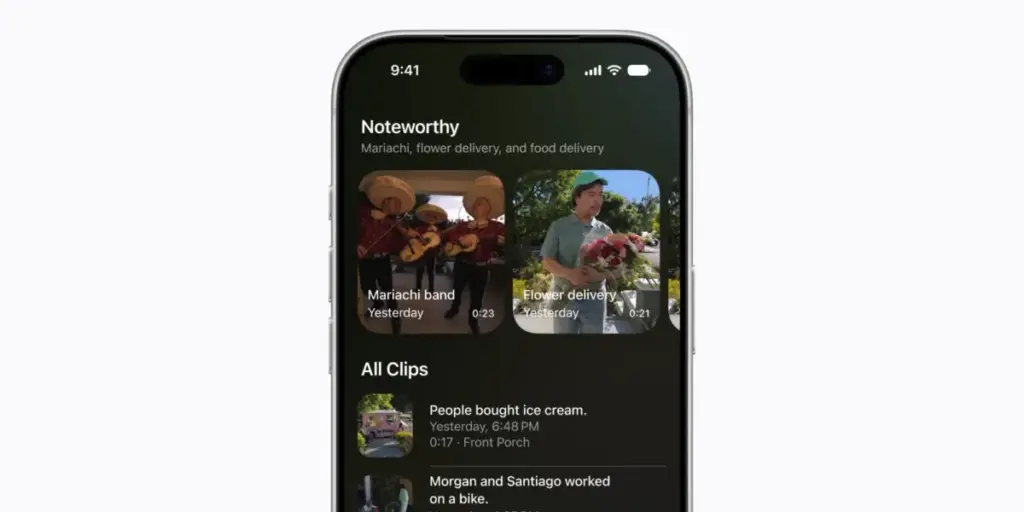
Secondly, Apple Intelligence improves the accuracy of object and person recognition. While previous versions of iOS could distinguish between people, pets, and vehicles, iOS 27 offers a more nuanced understanding of context. The system can now recognize specific household members with greater reliability and can even identify specific types of activity, such as distinguishing between a person simply walking past a door and someone lingering suspiciously at an entrance.
Finally, the integration of Apple Intelligence allows for smarter activity automations. Instead of a simple motion trigger that turns on a light every time a branch moves in the wind, iOS 27 can verify the nature of the movement before executing a command. This reduces "false positives" in automation, ensuring that smart home actions are only taken when they are genuinely useful to the inhabitants.
To take full advantage of these features, users will need compatible hardware. While many existing 1080p cameras will benefit from the new AI features, the 4K streaming and recording capabilities will require new or updated hardware from manufacturers who support the updated HKSV specifications. Industry leaders such as Logitech, Eve, and Aqara are expected to be at the forefront of this transition, offering sensors and lenses capable of capturing the level of detail that iOS 27 is now prepared to process.
Real-Time Notification Updates and the End of Alert Spam
The second major pillar of the iOS 27 Home app update focuses on the user experience of receiving information. One of the most common complaints among smart home enthusiasts is "notification fatigue"—the phenomenon where a single event, such as a family member returning home, triggers a cascade of separate alerts from various devices. A smart lock, a doorbell camera, a garage door opener, and an indoor motion sensor might all send individual pings, cluttering the user’s Lock Screen and leading them to eventually ignore or disable notifications altogether.
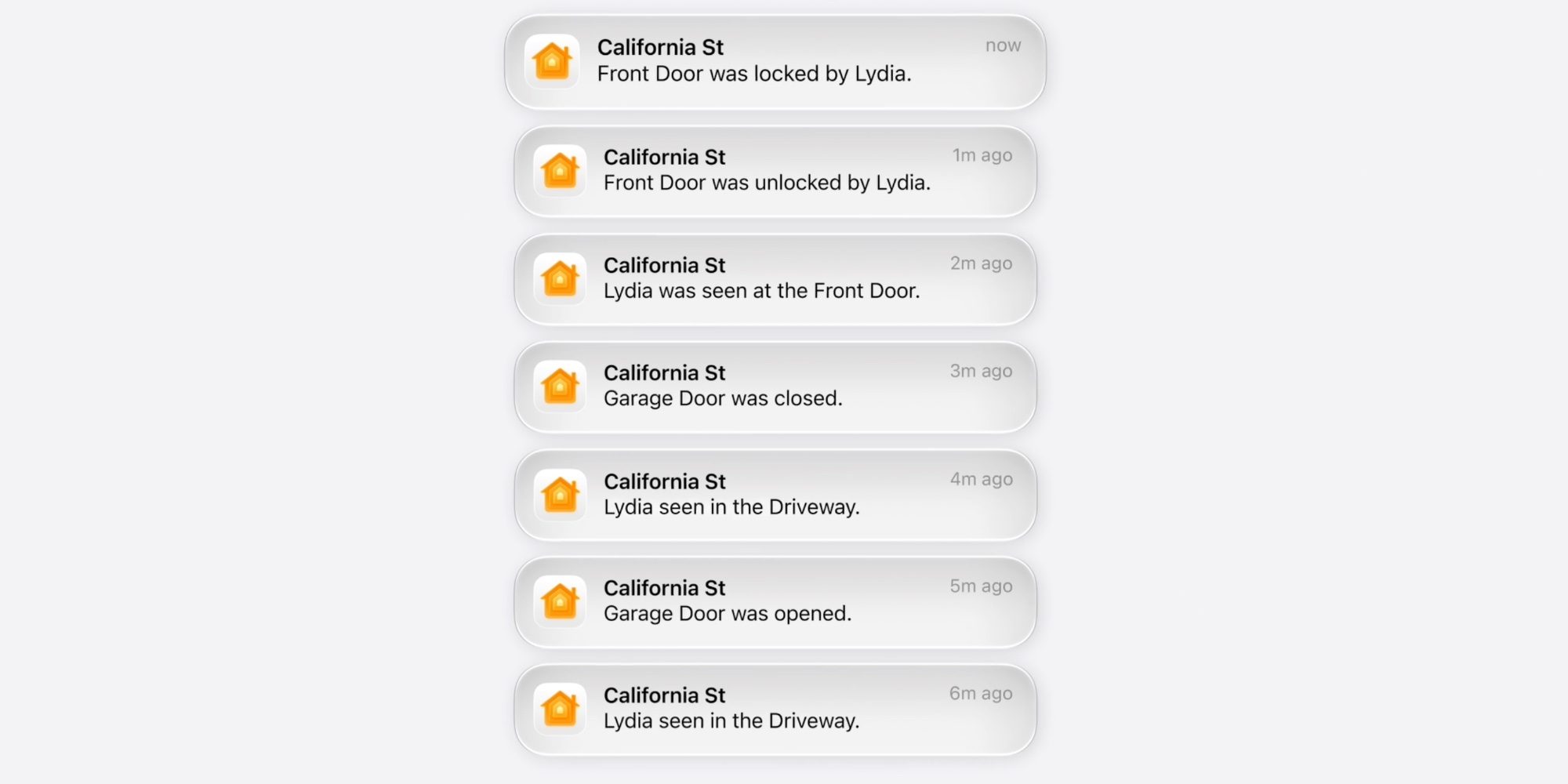
Apple is addressing this issue head-on with a new AI-powered feature: real-time updating notifications. According to Apple, the Home app now "draws on Apple Intelligence to understand related notifications as a single activity." Instead of a chronological list of disconnected events, the system groups them into a cohesive narrative that updates dynamically as the situation unfolds.
Inside the settings menu of the Home app, users will find a new section dedicated to Apple Intelligence, featuring a "Reduce Notifications" toggle. The description for this feature explains that it will "combine related activities, such as someone arriving and unlocking the door, in one notification that updates in real time."
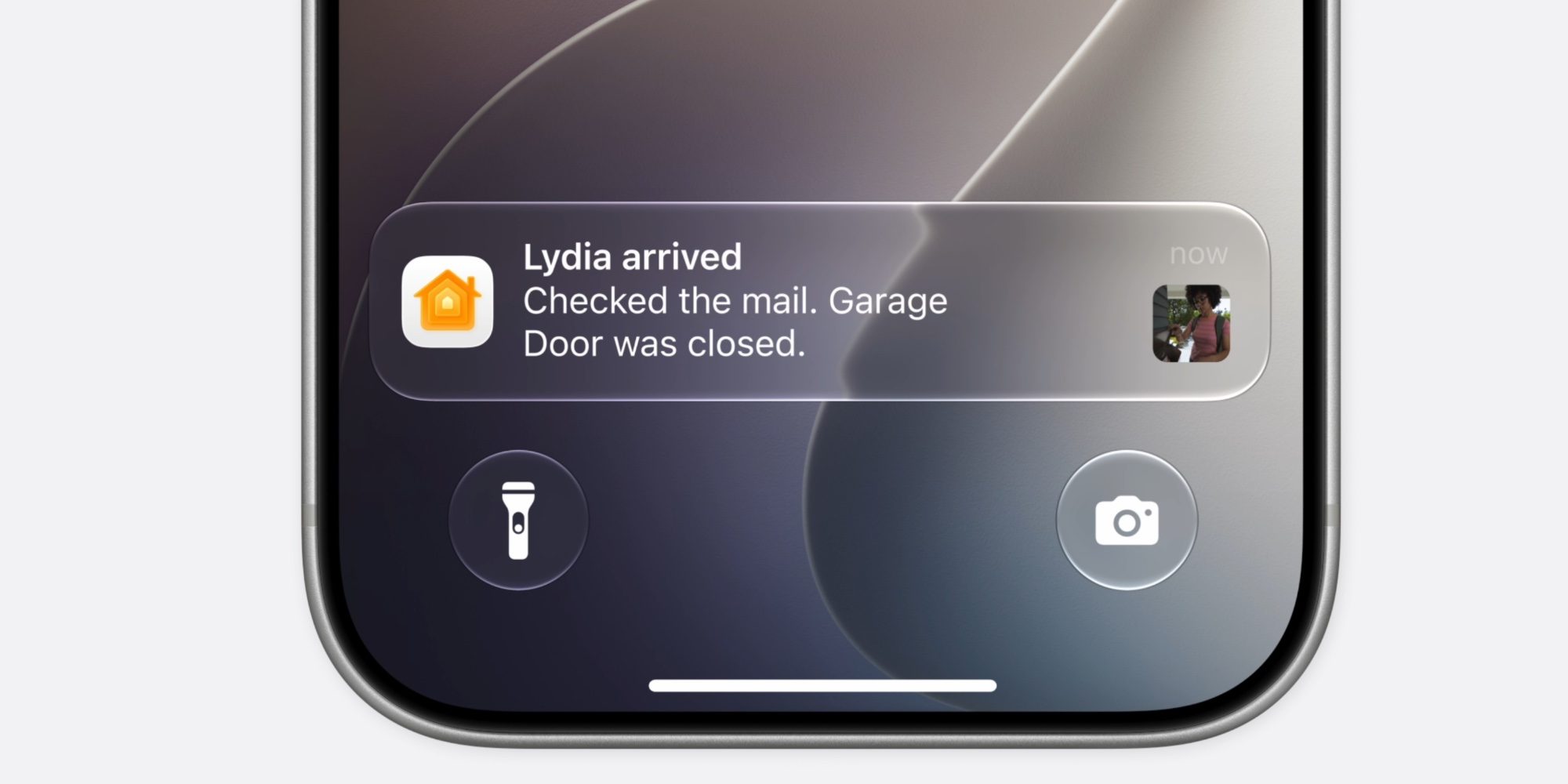
This is a significant departure from the traditional notification model. For example, if a resident named Lydia arrives home, a user would previously receive separate alerts: one for the driveway camera detecting a vehicle, one for the garage door opening, one for the mudroom motion sensor, and one for the smart lock being disengaged. In iOS 27, these are condensed into a single, persistent notification. The alert might initially say "Lydia arrived," and then silently update its own text to add, "Checked the mail. Garage Door was closed."
 Smart Home & IoT Solutions
The Frictionless Frontier: Why the Apple Home Collection Could Finally Bring the Smart Home to the Masses
For those deeply embedded in the world of consumer technology, it is...
 Smart Home & IoT Solutions
SwitchBot Unveils Lock Vision Series Featuring 3D Facial Recognition and Native Matter Integration
In the rapidly evolving landscape of smart home security, the transition toward...
 Smart Home & IoT Solutions
Apple now sells Aqara Adaptive Temperature thermostat and seven more accessories
The inclusion of these products in the Apple Store is more than...







