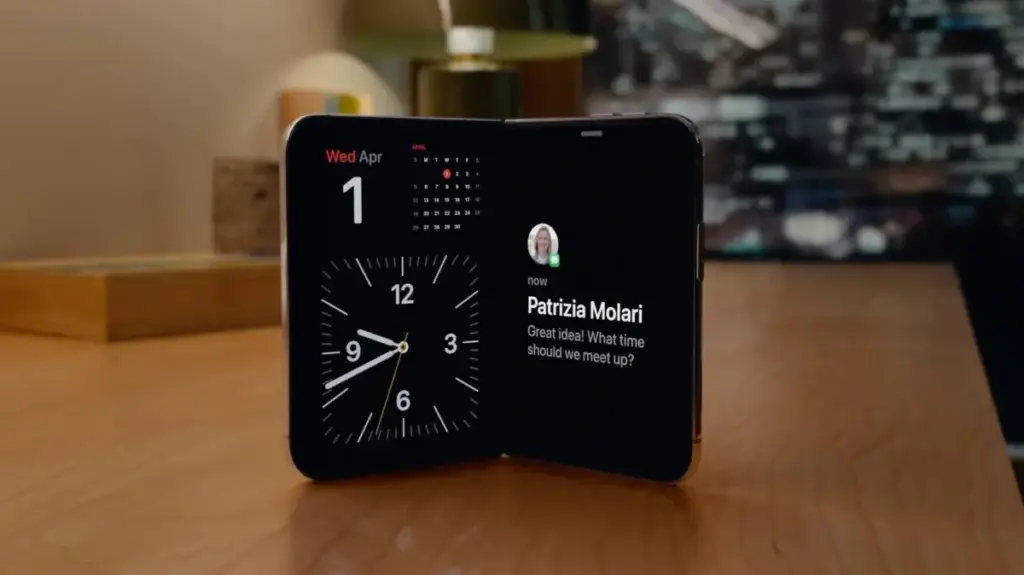
With the official release of Apple’s highly anticipated foldable iPhone Duo fast approaching, retail employees across the company’s store network are preparing for an exceptionally tight product rollout. Apple Store staff have been instructed to warn prospective customers against visiting physical retail locations on launch day, scheduled for Friday, October 23, if they do not already have a confirmed pre-order reservation. According to retail employees, internal guidance indicates that store locations are expected to have virtually zero inventory available for walk-in purchases on day one, prompting management to take proactive steps to manage consumer expectations and prevent widespread disappointment.
The internal warning highlights the severity of the supply constraints surrounding Apple’s first foldable device. Retail staff have been advised to directly discourage shoppers who arrive without a pre-order, making it clear that waiting in line outside physical stores on launch morning will almost certainly not result in acquiring a device. For consumers who had planned to secure an iPhone Duo by visiting a store in person to bypass multi-month online delivery delays, these store-level communications indicate that the traditional launch-day walk-in experience will not be an option at the affected locations.
On Apple’s official digital storefront, messaging similarly reflects a heavily restricted inventory picture. The online store currently directs hopeful shoppers to check back on Saturday, October 24, for potential in-store pickup availability. When online pre-orders originally opened, in-store pickup reservations were briefly selectable in certain areas, but those slots were filled almost immediately before the option was disabled entirely.
Despite the message pointing customers to check back on October 24, Apple’s website provides no guarantee that store pickup stock will actually become available on that day. Furthermore, it remains unclear precisely how firm the guidance shared with retail staff is, or whether the directive applies uniformly across all Apple Store locations worldwide. However, if the guidance is firmly implemented across the retail network, it effectively shuts down one of the few remaining workarounds for buyers hoping to avoid lengthy shipping backlogs. For its part, Apple has not publicly stated whether any physical stores will reserve stock specifically for walk-in launch-day purchasers.
The root of the retail warning stems directly from the overwhelming pre-order volume that took place earlier in the week. When pre-orders officially opened, consumer demand instantly overwhelmed initial supply allocations. Delivery estimates began slipping past the October 23 launch date within minutes of the digital store opening. Within just 30 minutes, every hardware configuration listed on Apple’s U.S. online store displayed shipping estimates pushed out to January 25, effectively rendering the device sold out for the Christmas holiday shopping season through official online channels.
In response to the rapid sellout, Apple issued a public statement to the Financial Times, describing initial customer demand for the iPhone Duo as "nothing short of extraordinary." The company added that its teams were actively working to manufacture and fulfill customer orders as quickly as possible, though it stopped short of offering specific supply recovery timelines.
The extreme scarcity on launch day follows months of reported manufacturing hurdles behind the scenes. Long before Apple officially announced the device, reports began surfacing regarding tight production constraints. In early September, Nikkei Asia reported that manufacturing yields for the foldable smartphone were exceptionally low, with daily production reaching only a few hundred units per day in late August.
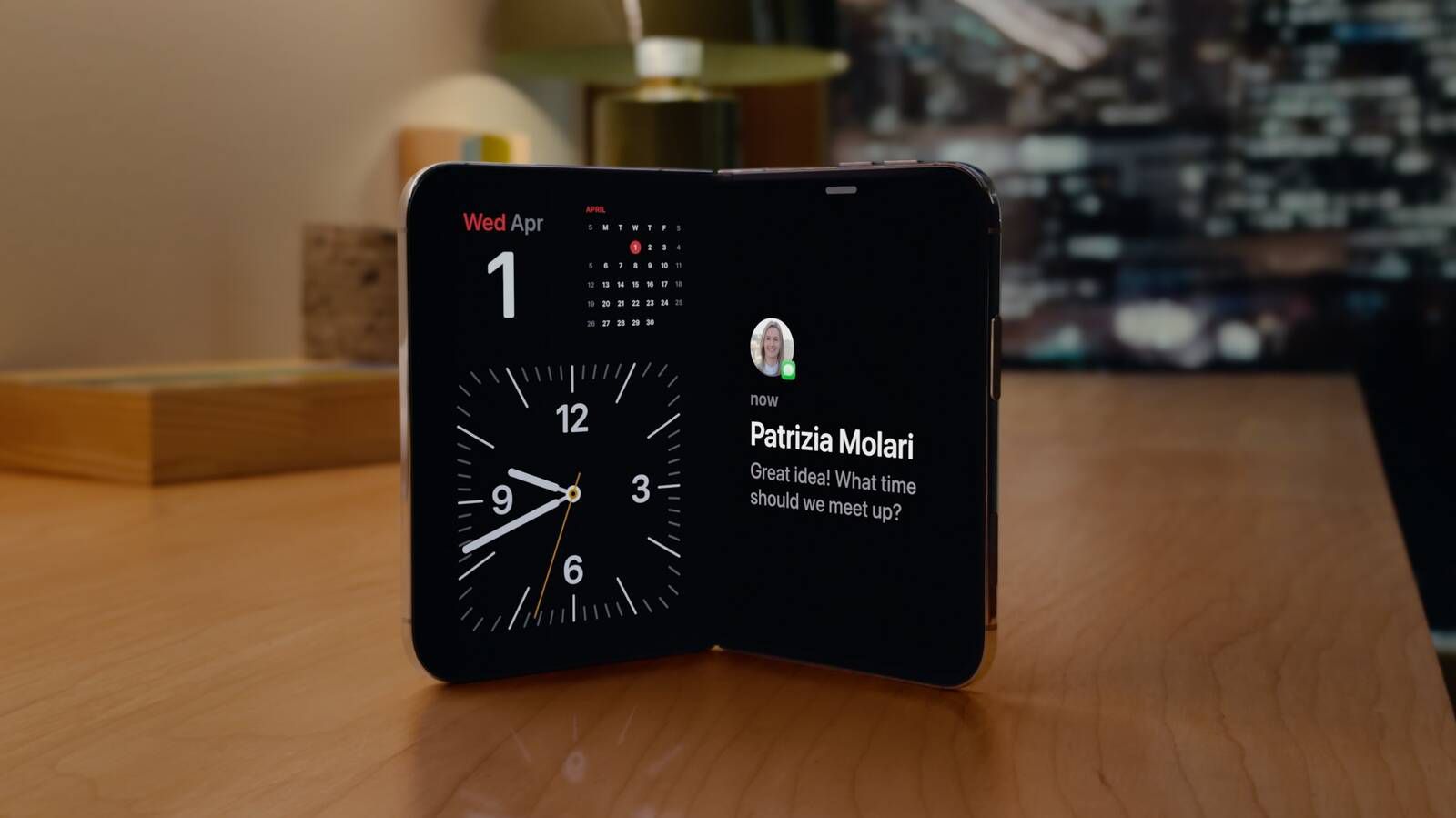
Manufacturing challenges continued to build as the release date drew closer. Further production problems emerged in late September, driven by the technical complexity of assembling the novel foldable hardware. The intricate components and tight tolerances required for the device created persistent bottlenecks that limited overall factory output leading into the fall.
The severity of these supply issues led to serious internal discussions regarding the timing of the release. Bloomberg‘s Mark Gurman reported earlier this month that Apple leadership had at one point considered whether manufacturing constraints might force the company to delay the start of sales into November. Ultimately, Apple succeeded in assembling enough initial inventory to move forward with its planned October 23 launch date, though available stock remained severely limited—a constraint that extended even to the inventory allocated for retail showcase displays.
Carrying a starting price tag of $1,999 in the United States, the iPhone Duo stands as Apple’s most expensive smartphone to date, with initial pre-order deliveries set to begin arriving to early buyers on October 23. At $1,999, the device enters the market at a significant price premium over traditional flagship smartphones. At equivalent storage capacities, the iPhone Duo costs $800 more than the iPhone 18 Pro and $700 more than the top-tier iPhone 18 Pro Max.
While the central appeal of the iPhone Duo lies in its novel folding form factor, adopting the new format requires consumers to accept notable compromises compared to standard flagships. Prospective buyers paying the premium $1,999 entry price must accept almost 40 distinct trade-offs relative to the iPhone 18 Pro and iPhone 18 Pro Max, spanning across camera capabilities, daily usability features, and broader overall ownership costs.
To address physical concerns inherent to flexible screens, Apple engineered the device with a matte nano-texture display. This specialized display treatment is designed to cut down on ambient reflection and glare while simultaneously minimizing the visual prominence of the screen crease when unfolded. Speaking on the durability and appearance of the display panel, Apple Vice President of Hardware Engineering Tom Marieb addressed consumer concerns directly in an interview with TechRadar, urging users to "hold us accountable" regarding how well the screen crease holds up over extended daily use.
Despite the form-factor trade-offs, the iPhone Duo features an advanced camera array comprising four distinct lenses. The camera system includes a rear 48-megapixel Fusion Main camera, a rear 48-megapixel Ultra Wide camera, and a 12-megapixel Center Stage camera situated on the outer display panel. To demonstrate the visual capabilities of the new system, Apple published a curated Instagram gallery featuring six sample photos captured on the iPhone Duo by American photographers Jake Michaels and Jason Nocito as part of an official Apple-commissioned project.
As the October 23 launch date arrives, Apple retail stores face an unprecedented situation marked by massive interest and extremely limited physical stock. With pre-order shipping dates stretched deep into January and staff actively turning walk-in shoppers away, the iPhone Duo launch highlights both the intense demand for Apple’s foldable vision and the severe supply chain hurdles accompanying its market debut.
 macOS & Apple IT Support
Amazon Slashes Prices on Apple M6 Mac Mini and M5 Max Mac Studio in Latest Weekend Sales Event
Amazon has introduced significant price reductions across Apple’s desktop computer lineup this...
 macOS & Apple IT Support
Apple Releases watchOS 27: A Comprehensive Look at New AI Features, Interface Changes, and Health Updates Across Apple Watch Generations
Apple officially launched watchOS 27 on September 14, introducing a sweeping array...
 macOS & Apple IT Support
Apple Unveils New Smart Home Portfolio as iPhone Duo Pre-Orders Slip into 2027 Ahead of October Media Event
Apple’s busy autumn product schedule reached a fever pitch this week as...