
Apple is preparing to significantly escalate its presence in the smart home market, moving beyond hardware accessories toward a comprehensive ecosystem that includes professional-grade security. According to a new report from Bloomberg’s Mark Gurman, the Cupertino-based technology giant is developing a dedicated home security and monitoring service, currently slated for a 2027 debut. This move signals a strategic shift for Apple as it seeks to compete more directly with established players like Amazon’s Ring and Google’s Nest by leveraging its reputation for privacy and its growing Services division.
The news comes as Apple reportedly nears a major overhaul of its entire Home product lineup. While the company has offered HomeKit integration for years, it has largely relied on third-party manufacturers to provide the hardware, such as cameras, sensors, and locks. The 2027 roadmap suggests that Apple is no longer content with being the software layer for other companies’ devices and instead intends to own the end-to-end experience of home protection.
Apple’s Vision for a Privacy-Centric Home Security System
The centerpiece of this upcoming initiative is a new home security camera and automation device. However, unlike traditional security cameras that record and stream raw video footage to the cloud, Apple is reportedly taking a radically different approach rooted in artificial intelligence. According to Gurman’s report, the device will utilize advanced AI to monitor the surrounding environment rather than relying on actual video footage for its primary monitoring functions.
This distinction is critical to Apple’s broader marketing strategy, which positions privacy as a fundamental human right. By using on-device AI to interpret movement, identify individuals, and detect anomalies without necessarily storing or transmitting traditional video streams, Apple could address one of the most significant consumer concerns regarding smart home technology: the fear of being watched.
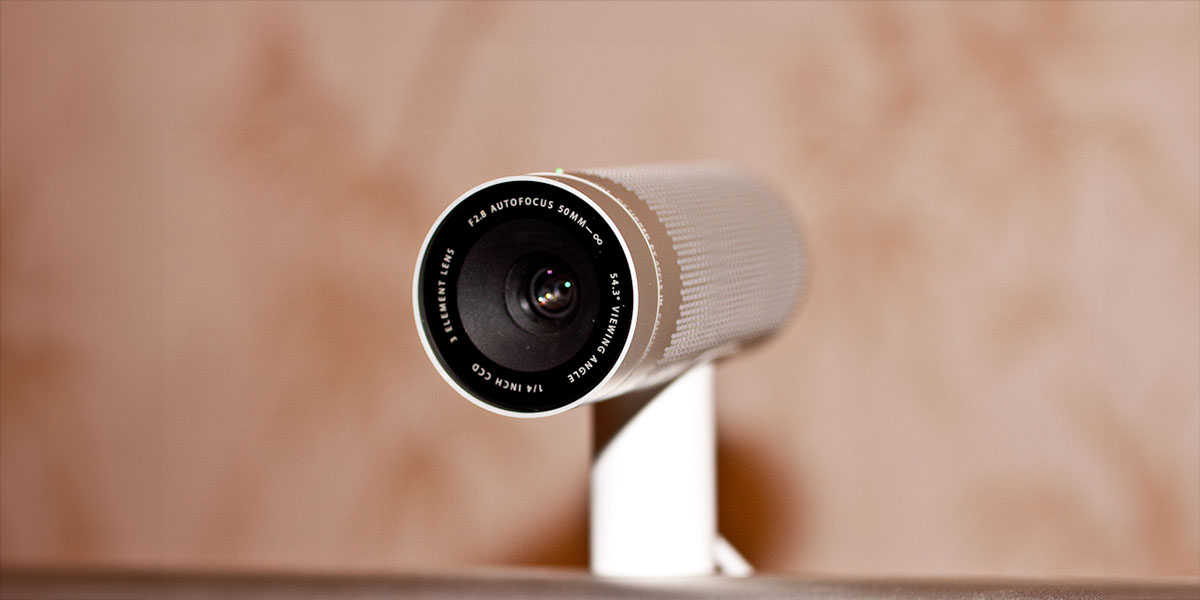
The device is expected to tap into a new, dedicated home security and monitoring service. While the original report is concise regarding the specifics of this service, the terminology suggests something more robust than the current HomeKit Secure Video offering. Currently, HomeKit Secure Video allows users to store encrypted footage in iCloud, but it does not provide active, professional monitoring or a centralized security response system. A "monitoring service" implies a subscription-based model that could potentially include emergency response triggers or advanced AI-driven threat detection that goes beyond simple motion alerts.
The Role of AI in Non-Visual Monitoring
The shift toward "monitoring the environment instead of actual video footage" suggests that Apple may be employing technologies such as LiDAR, ultrasonic sensors, or highly sophisticated computer vision that converts visual data into metadata locally. In this scenario, the device would "see" that a person has entered the room or that a window has been opened, but the data sent to the user or the monitoring service would be a notification of the event rather than a video file.
This approach would allow Apple to provide high-level security features—such as recognizing specific family members or detecting a fall—while ensuring that no visual data ever leaves the device in a recognizable form. For a company that has built its brand on the "What happens on your iPhone, stays on your iPhone" mantra, extending this to the home is a logical, albeit technically challenging, progression.
A Major Overhaul of the Apple Home Product Suite
The 2027 security service is the long-term goal of a much broader strategy that is expected to begin unfolding much sooner. Apple is reportedly preparing a suite of new hardware designed to turn the home into a more cohesive and intelligent environment. Among the products expected to debut in the near term are a refreshed Apple TV 4K, an updated HomePod mini, and a brand-new category of device currently referred to in rumors as the "HomePad."
The HomePad is envisioned as a central command center for the household. Likely a tablet-like display that can be mounted on a wall or placed on a stand, this device would serve as the primary interface for controlling smart home accessories, managing security feeds, and interacting with Siri. It would provide the necessary bridge between Apple’s various services, acting as the "brain" of the home.
The upcoming Apple TV 4K and HomePod mini updates are expected to focus on improved processing power and connectivity, likely incorporating the latest Thread and Matter standards to ensure seamless communication with a wide array of smart home devices. By strengthening the foundation of the Home ecosystem now, Apple is setting the stage for the more advanced security and monitoring services planned for the latter half of the decade.
The Strategic Importance of Home Security and Services
The entry into the home security and monitoring market represents a significant opportunity for Apple’s Services division. Over the last several years, Apple has successfully pivoted toward a recurring revenue model through services like iCloud+, Apple Music, Apple TV+, and Apple Fitness+. Home security is a multi-billion dollar industry characterized by high customer loyalty and consistent monthly subscription fees.
By introducing a paid home security service, Apple could further bolster its Services bottom line. There is also the strong possibility that Apple will bundle this new service into its Apple One subscription tiers. Adding professional-grade home monitoring to the Premier tier of Apple One would significantly increase the value proposition of the bundle, making it an even more essential utility for families already deep within the Apple ecosystem.
Furthermore, a dedicated security service increases "ecosystem lock-in." A customer who relies on Apple for their home security, cloud storage, and mobile communications is much less likely to switch to a competing smartphone or tablet platform. The home is the final frontier for ecosystem dominance, and Apple’s 2027 plan suggests it is ready to compete for that space with the same vigor it applied to the wearables and services markets.

Competitive Landscape and the Path to 2027
Apple’s move into this space will put it on a collision course with Amazon and Google, both of which have spent years acquiring and developing home security brands. Amazon’s acquisition of Ring and Google’s investment in ADT and its Nest line have given them a significant head start. However, both companies have faced periodic criticism over privacy practices and data handling, particularly regarding law enforcement access to camera footage.
Apple’s late entry allows it to learn from these controversies. By focusing on an AI-driven, privacy-first monitoring system, Apple is attempting to differentiate itself not just through hardware quality, but through ethics and data security. The three-year lead time until 2027 suggests that the company is taking the necessary time to refine the AI models required to monitor an environment accurately without compromising user privacy.
The development of this service also aligns with Apple’s recent advancements in "Apple Intelligence." As the company integrates generative AI and advanced machine learning across its operating systems, the ability for a home sensor to understand context—distinguishing between a pet moving and a human intruder, or recognizing the sound of breaking glass versus a dropped plate—becomes much more feasible.
Building a Foundation with Matter and Thread
A key component of Apple’s success in the home will be its continued support for Matter, the industry-standard communication protocol. By ensuring its new sensors and monitoring services work within a standardized framework, Apple can ensure that its high-end security products can still interact with more affordable third-party sensors, lights, and locks.

However, the "monitoring service" component will likely remain exclusive to Apple’s hardware or highly vetted partners. This would allow Apple to maintain a "walled garden" level of security and reliability for the most sensitive aspects of the home, while still allowing the convenience of a broad smart home ecosystem.
As 2027 approaches, the tech industry will be watching closely to see how Apple navigates the complexities of home surveillance. If the company can successfully deliver a system that provides peace of mind without the "Big Brother" implications of traditional cameras, it may well redefine the standard for what a smart home security system should be. For now, the upcoming refreshes of the Apple TV and HomePod lines will serve as the first indicators of how seriously Apple is taking its renewed ambitions for the home.
 Smart Home & IoT Solutions
Apple Home Ecosystem Evolves as iOS 26 Cycle Sets the Stage for Major Siri Overhaul
The smart home landscape is currently standing at a significant crossroads, positioned...
 Smart Home & IoT Solutions
Apple’s Upcoming HomeView Hub to Feature Integrated HomeKit Security Camera with Advanced Privacy Controls
In the rapidly evolving landscape of the smart home, Apple has long...
 Smart Home & IoT Solutions
Apple Signals Major Smart Home Pivot with Rumored 2027 Security Service and AI-Driven Hardware
For years, Apple’s presence in the smart home market has been characterized...







