For several years, Apple’s presence in the smart home market has been defined by a sense of quiet stagnation. While the iPhone, Mac, and Apple Watch have seen annual iterative improvements and major architectural shifts, the company’s home-focused hardware—specifically the HomePod mini and the Apple TV—has remained largely frozen in time. The current models on the market are between four and six years old in terms of their foundational technology, leading many industry observers to wonder if Apple had relegated the "Home" category to a secondary "hobby" status.
However, recent reports and supply chain insights suggest that the wait for a revitalized ecosystem is nearly over. The primary bottleneck for new hardware has not been a lack of industrial design or manufacturing capability, but rather the limitations of Siri. For years, the voice assistant struggled to keep pace with the generative AI revolution, often serving as a functional but limited interface for basic smart home commands. With the official debut of Apple Intelligence, the company finally has the software foundation required to justify a new generation of hardware. As Siri transitions into a more capable, context-aware AI, Apple is reportedly preparing a massive product rollout that will span from late 2024 into 2027.
Imminent release
The first phase of this overhaul is expected to arrive as early as this fall, focusing on the core devices that currently anchor Apple’s home strategy: the HomePod mini and the Apple TV 4K. These devices serve as the "Home Hubs" for Apple’s HomeKit and Matter ecosystems, and their current specifications are beginning to show their age in an era of local machine learning and high-speed connectivity.
The HomePod mini, which has not seen a significant hardware refresh since its introduction in 2020, is slated for a meaningful internal upgrade. The current model relies on the S5 chip, the same processor that powered the Apple Watch Series 5. Analysts expect the next iteration to jump to the S9 chip, or perhaps even a more advanced variant. This move is more than just a speed boost; the S9 architecture includes a four-core Neural Engine that is significantly faster than its predecessors, which is essential for processing the natural language requests associated with the new Siri.
Beyond the processor, the new HomePod mini is expected to feature a new wireless chip, likely the N1 chip that debuted with the iPhone 15 series. This would enhance Ultra Wideband capabilities, allowing for more precise handoff features when a user brings their iPhone near the speaker. While the physical footprint is expected to remain largely the same, Apple may introduce a refreshed color palette to align with its current aesthetic trends, alongside subtle but noticeable improvements to the internal acoustic drivers to maintain its lead in the small-format speaker market.
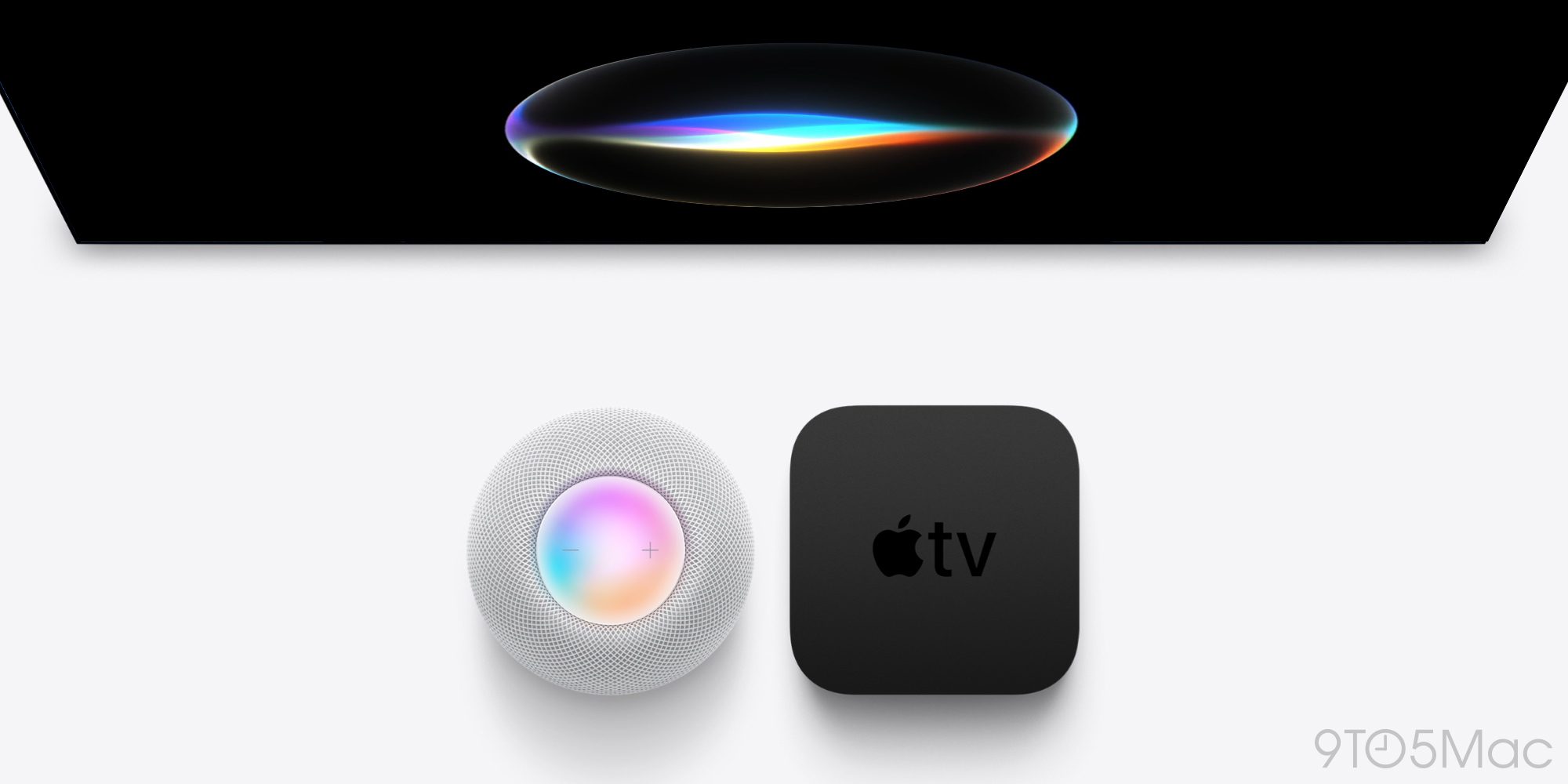
Simultaneously, the Apple TV 4K is due for a performance bump. Reporting indicates that Apple will move from the A15 Bionic chip to the A17 Pro. While some tech enthusiasts might note that the A17 Pro will be a year old by the time of release, it remains a powerhouse capable of hardware-accelerated ray tracing and, more importantly, the local processing of Apple Intelligence features. By equipping the Apple TV with this silicon, Apple ensures that the device can handle complex AI tasks—such as summarizing content, advanced Siri interactions, and enhanced search—directly on the device rather than relying entirely on the cloud. This aligns with Apple’s broader privacy mandate, ensuring that smart home data remains within the walls of the user’s house.
Despite these upgrades, pricing is expected to remain a point of contention. In June, Apple implemented price adjustments that brought the HomePod mini to $129 and the Apple TV 4K to a starting price of $199. The hope among consumers and analysts alike is that these prices will hold steady as the new hardware replaces the old, keeping Apple’s entry-level home products within a competitive, if premium, range.
Not quite as soon
While the fall updates represent a refinement of existing categories, the second phase of Apple’s strategy involves the introduction of entirely new product segments. For years, rumors have circulated regarding Apple’s development of a dedicated smart home hub—a device designed to compete directly with the Google Nest Hub and Amazon Echo Show. This project is now reportedly nearing the finish line, with a release window spanning from October 2024 to early 2025.
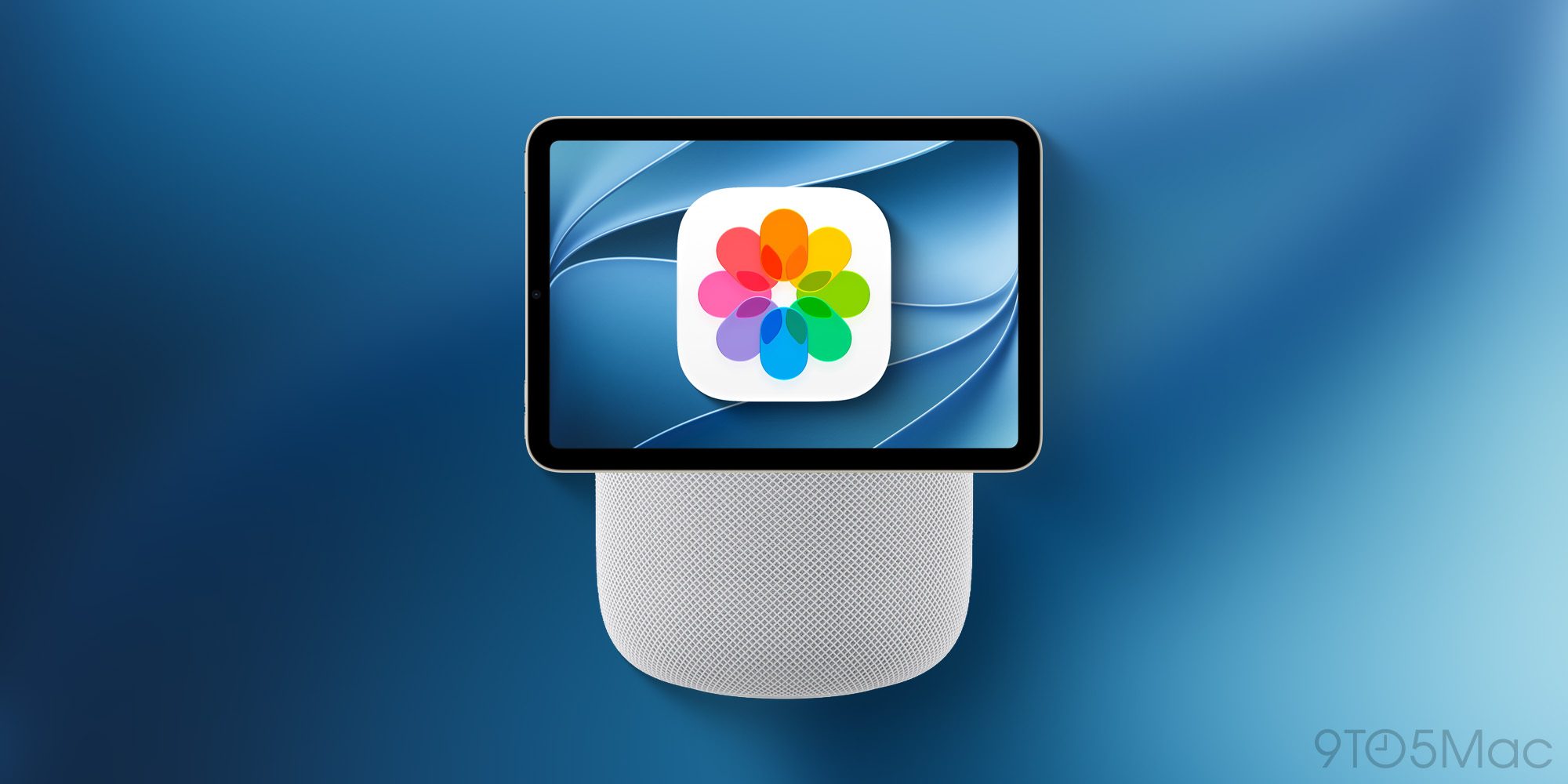
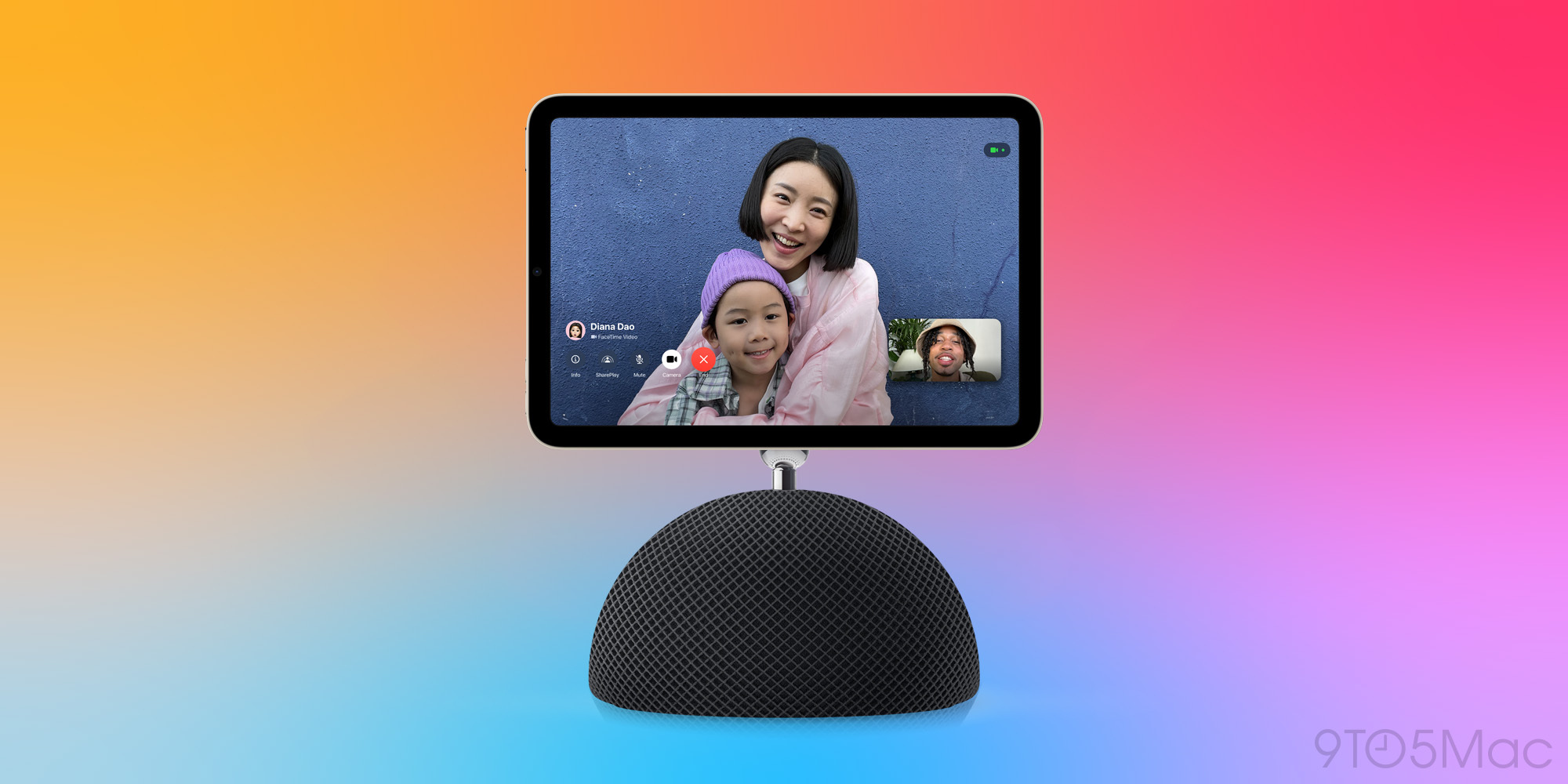
This new category is expected to manifest in two distinct variants. The first is a more streamlined version: a 7-inch square display that can be mounted to walls via a magnetic system. This device is intended to act as a centralized control panel for the home, allowing users to monitor security cameras, adjust lighting, and manage climate controls with a glance. The second variant is rumored to include a speaker base, turning it into a tabletop centerpiece for video calls and media consumption.
Internally, these devices are expected to run on a new operating system currently dubbed "homeOS." This software will likely be a derivative of tvOS but optimized for touch interfaces and ambient information display. A key feature of this "HomePad," as some have called it, will be the inclusion of the A18 chip. Using the latest silicon ensures that the device can fully support the most advanced versions of Apple Intelligence, making Siri a proactive participant in home management. With a built-in camera for FaceTime and sensors for gesture control, this hub represents Apple’s most serious attempt to date to own the "kitchen counter" or "entryway" space in the modern home.
In tandem with the new hub, Apple is also working on a long-awaited update to the full-size HomePod. While the HomePod was relaunched in early 2023 after a brief discontinuation, that model was essentially a refinement of the original 2018 design. Bloomberg’s Mark Gurman has indicated that a new version is in development, likely featuring a more advanced processor to ensure parity with the rest of the Apple Intelligence ecosystem. Whether this model will incorporate a screen of its own remains a subject of debate, but the focus will undoubtedly be on deeper integration with Siri’s new AI capabilities.
Later down the road
Looking further ahead into late 2026 and 2027, Apple’s ambitions for the home extend into the realm of first-party accessories and robotics. For years, Apple has provided the framework for smart homes through HomeKit, but it has left the hardware—such as cameras and doorbells—to third-party manufacturers like Logitech, Eve, and Arlo. That is set to change.
The company is reportedly developing its own ecosystem of home security devices, including a dedicated smart home camera and a video doorbell. By manufacturing the hardware itself, Apple can offer a level of vertical integration that third parties cannot match. This would likely include seamless integration with iCloud+ and HomeSecure Video, with a heavy emphasis on end-to-end encryption and facial recognition that runs locally on a user’s Home Hub rather than on a corporate server. This move is seen as a direct challenge to Amazon’s Ring and Google’s Nest, positioning Apple as the "privacy-first" alternative in the home security market.
Perhaps the most futuristic project in the pipeline is the "tabletop robot." This advanced version of the smart home display is said to feature a larger, 9-inch screen mounted on a robotic arm. This arm would allow the display to tilt, swivel, and follow a user around the room during a FaceTime call or while they are following a recipe in the kitchen. It is an ambitious "moonshot" project that combines Apple’s expertise in silicon, actuators, and artificial intelligence. While it is still several years away, the tabletop robot signals Apple’s belief that the future of the home is not just about passive screens, but about interactive, ambient computing that can physically adapt to the user’s environment.

The common thread across all these upcoming releases is the transformation of Siri. For the past decade, Siri has been the primary way users interacted with their Apple-enabled homes, but its limitations often led to frustration. By integrating Apple Intelligence across every tier of home hardware—from the affordable HomePod mini to the high-end tabletop robot—Apple is attempting to turn the home into a truly intelligent environment. No longer just a collection of connected gadgets, the upcoming Apple home ecosystem aims to be a cohesive, AI-driven experience that anticipates user needs and provides a level of utility that was previously the stuff of science fiction. As the "Apple Intelligence" era begins, the company’s "hobby" is finally becoming a central pillar of its future.
 Smart Home & IoT Solutions
Apple now sells Aqara Adaptive Temperature thermostat and seven more accessories
The inclusion of these products in the Apple Store is more than...
 Smart Home & IoT Solutions
Apple Partners with LG for Major Smart Home Expansion Featuring New Cameras, Locks, and Thermostats
In a significant strategic shift for its domestic technology ecosystem, Apple is...
 Smart Home & IoT Solutions
Apple Ties New AI-Powered Home Security Features to Premium 2TB iCloud+ Subscription Tier
As Apple continues to integrate its sophisticated "Apple Intelligence" suite across its...