
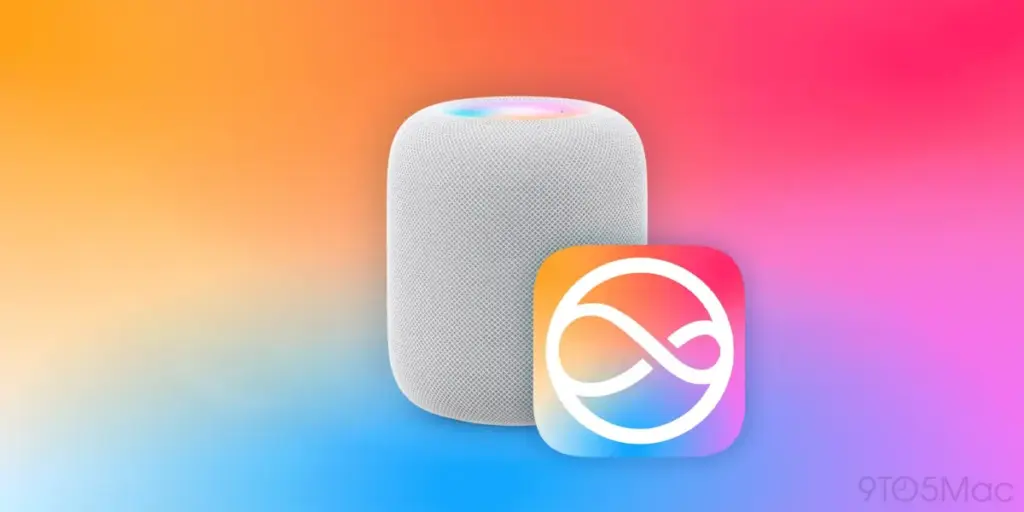
In tandem with the new hub, Apple is also working on a long-awaited update to the full-size HomePod. While the HomePod was relaunched in early 2023 after a brief discontinuation, that model was essentially a refinement of the original 2018 design. Bloomberg’s Mark Gurman has indicated that a new version is in development, likely featuring a more advanced processor to ensure parity with the rest of the Apple Intelligence ecosystem. Whether this model will incorporate a screen of its own remains a subject of debate, but the focus will undoubtedly be on deeper integration with Siri’s new AI capabilities.
Later down the road
Looking further ahead into late 2026 and 2027, Apple’s ambitions for the home extend into the realm of first-party accessories and robotics. For years, Apple has provided the framework for smart homes through HomeKit, but it has left the hardware—such as cameras and doorbells—to third-party manufacturers like Logitech, Eve, and Arlo. That is set to change.
The company is reportedly developing its own ecosystem of home security devices, including a dedicated smart home camera and a video doorbell. By manufacturing the hardware itself, Apple can offer a level of vertical integration that third parties cannot match. This would likely include seamless integration with iCloud+ and HomeSecure Video, with a heavy emphasis on end-to-end encryption and facial recognition that runs locally on a user’s Home Hub rather than on a corporate server. This move is seen as a direct challenge to Amazon’s Ring and Google’s Nest, positioning Apple as the "privacy-first" alternative in the home security market.
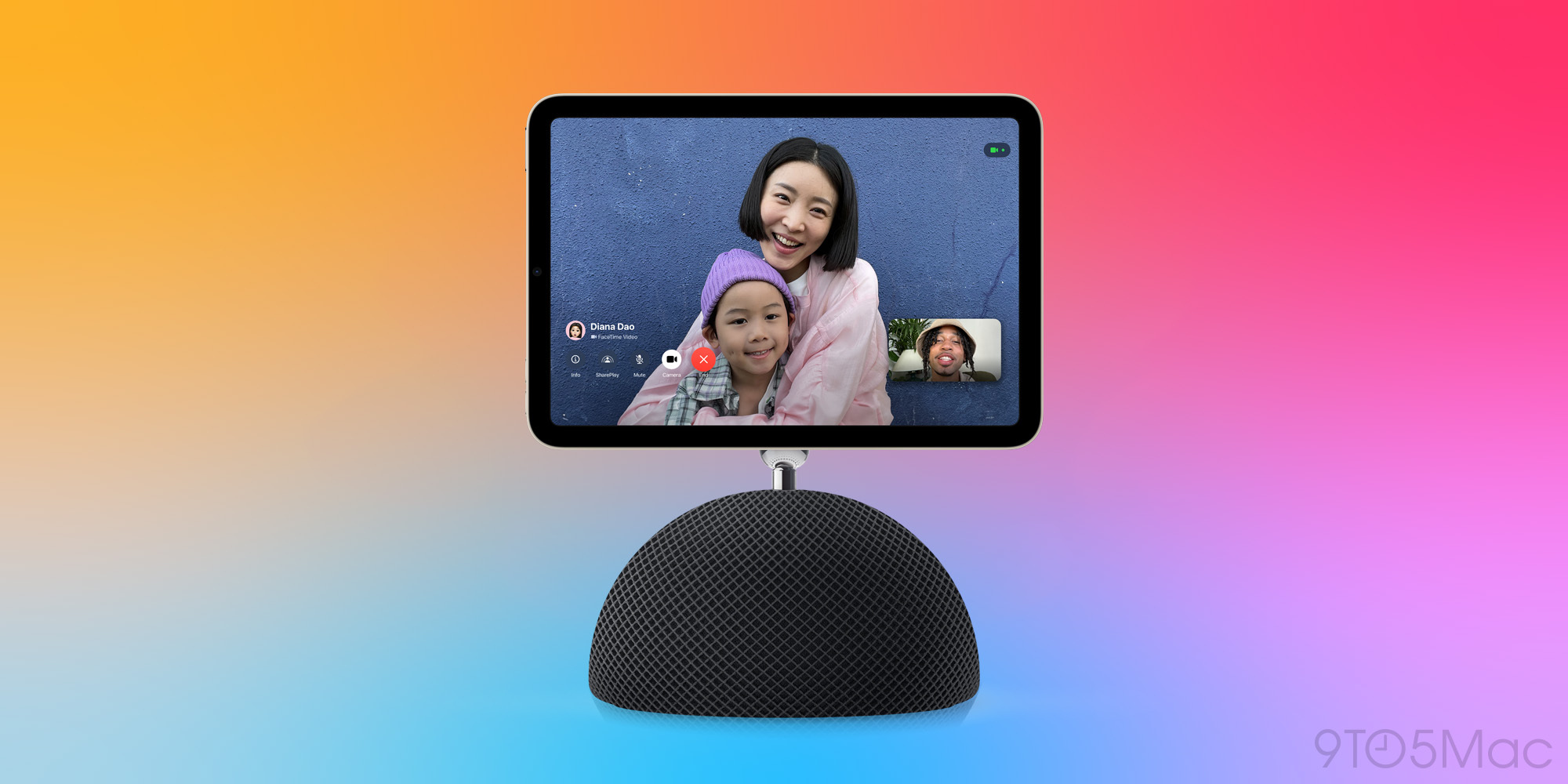
Perhaps the most futuristic project in the pipeline is the "tabletop robot." This advanced version of the smart home display is said to feature a larger, 9-inch screen mounted on a robotic arm. This arm would allow the display to tilt, swivel, and follow a user around the room during a FaceTime call or while they are following a recipe in the kitchen. It is an ambitious "moonshot" project that combines Apple’s expertise in silicon, actuators, and artificial intelligence. While it is still several years away, the tabletop robot signals Apple’s belief that the future of the home is not just about passive screens, but about interactive, ambient computing that can physically adapt to the user’s environment.

The common thread across all these upcoming releases is the transformation of Siri. For the past decade, Siri has been the primary way users interacted with their Apple-enabled homes, but its limitations often led to frustration. By integrating Apple Intelligence across every tier of home hardware—from the affordable HomePod mini to the high-end tabletop robot—Apple is attempting to turn the home into a truly intelligent environment. No longer just a collection of connected gadgets, the upcoming Apple home ecosystem aims to be a cohesive, AI-driven experience that anticipates user needs and provides a level of utility that was previously the stuff of science fiction. As the "Apple Intelligence" era begins, the company’s "hobby" is finally becoming a central pillar of its future.
 Smart Home & IoT Solutions
Report: Apple ‘HomeView’ smart home hub will ship in November, come in four colors, A18 chip
The HomeView is expected to be the centerpiece of a major hardware...
 Smart Home & IoT Solutions
Apple Intelligence and 4K Video Support Headline Significant Home App Upgrades in iOS 27
As Apple prepares for what is rumored to be one of its...
 Smart Home & IoT Solutions
SwitchBot Unveils Lock Vision Series Featuring Matter Integration and Advanced 3D Biometric Recognition
In a significant expansion of its smart home security portfolio, SwitchBot has...






