
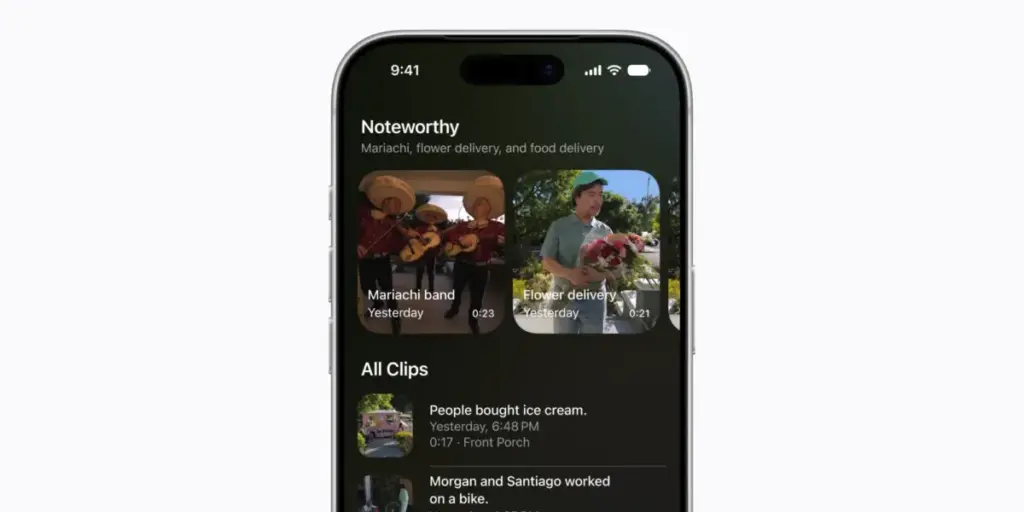
As Apple prepares to host its highly anticipated "Welcome Home" special event on October 13, the tech giant is setting the stage for a significant transformation of its smart home ecosystem. While rumors of new hardware have dominated the headlines, the release of iOS 27 is poised to be equally impactful, introducing a suite of sophisticated features designed to streamline the user experience and leverage the full power of Apple Intelligence. The update represents one of the most substantial leaps for the Home app since its inception, focusing heavily on video fidelity, intelligent search, and a complete reimagining of how users interact with home-based notifications.
The timing of these software upgrades is no coincidence. With Apple expected to debut several new Home-centric products next week, iOS 27 serves as the foundational software that will unify the hardware experience. For years, the Home app has evolved from a simple remote control for smart bulbs into a complex hub for security, climate control, and automation. With the latest iteration, Apple is addressing long-standing user requests while introducing futuristic AI-driven capabilities that aim to make the smart home more intuitive and less intrusive.
The Evolution of HomeKit Secure Video: The Leap to 4K
Perhaps the most significant technical upgrade arriving in iOS 27 is the long-awaited support for 4K resolution within HomeKit Secure Video (HKSV). Since its introduction, HKSV has been a cornerstone of Apple’s privacy-focused security strategy, offering iCloud+ subscribers a way to store encrypted footage from compatible cameras without relying on third-party servers. However, power users have frequently pointed to the 1080p resolution limit as a bottleneck, especially as competitors moved toward higher-definition sensors.
With iOS 27, Apple has officially broken that ceiling. The company has confirmed that supported HomeKit Secure Video cameras can now stream and record in full 4K resolution. This upgrade is more than just a vanity metric; the move to 4K allows for significantly greater detail when digital zooming is required. For homeowners trying to identify a license plate on the street or distinguish facial features at a distance, the quadrupled pixel count provides a level of clarity that was previously impossible within the Apple ecosystem.
To take advantage of this, users will need hardware capable of 4K output. While many existing cameras on the market feature 4K sensors, they were previously downscaled to 1080p to meet Apple’s strict HKSV requirements. The lifting of this restriction is expected to trigger a new wave of high-end camera releases from established partners like Logitech and Eve, as well as potential first-party offerings from Apple itself during the upcoming October 13 event.
Apple Intelligence Transforms Video Search and Analysis
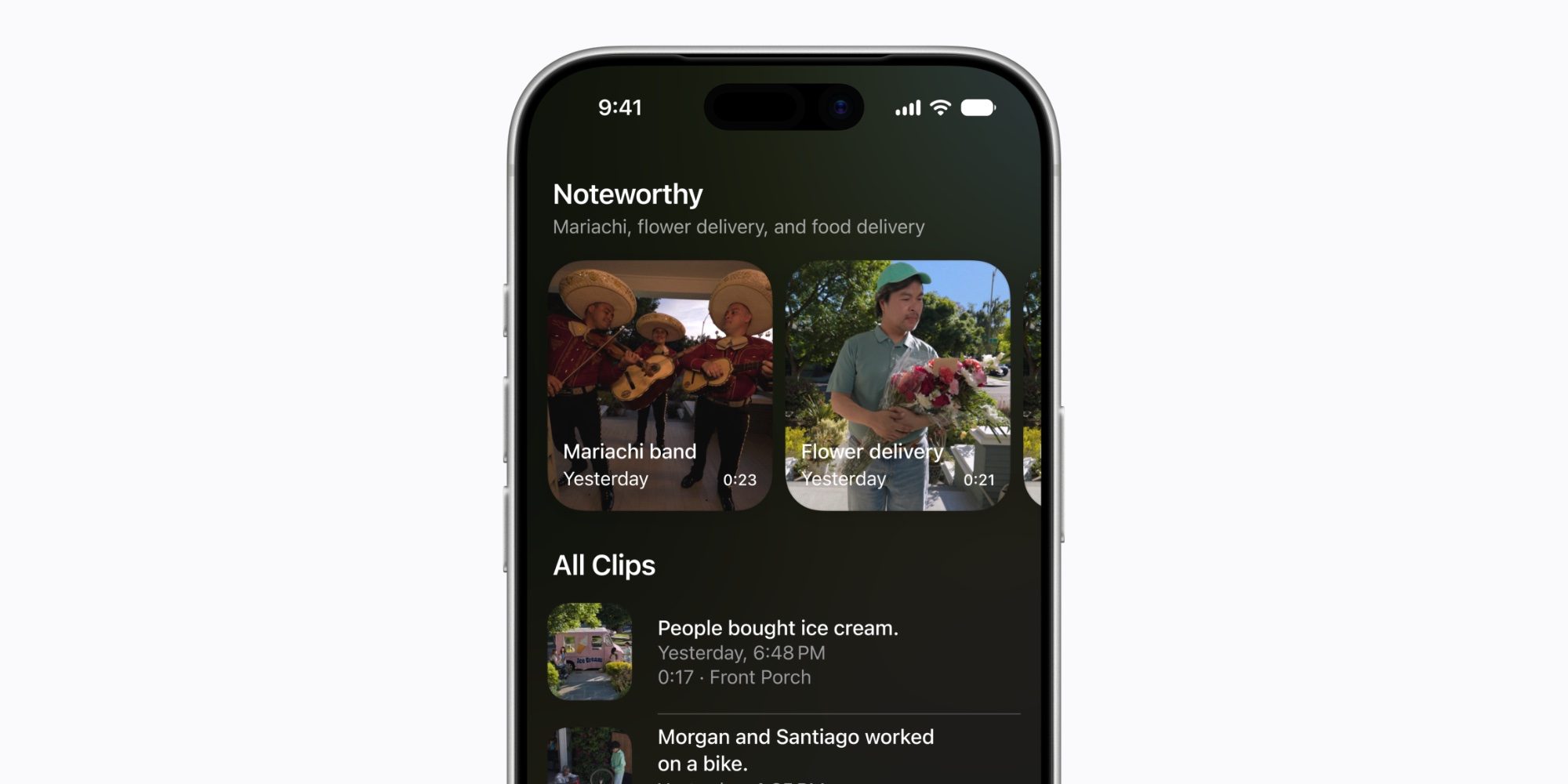
Beyond the increase in raw resolution, the Home app is receiving a massive infusion of "Apple Intelligence." This suite of on-device AI features is designed to change how users interact with their recorded history. In previous versions of iOS, finding a specific moment in a day’s worth of footage required tedious scrolling through a timeline of motion-triggered clips. iOS 27 aims to eliminate this friction through three primary AI-powered upgrades.
The first is an advanced semantic search capability for video clips. Leveraging the neural engine on the iPhone and iPad, the Home app can now index the contents of video footage locally. This allows users to type natural language queries into a search bar—such as "When did the delivery truck arrive?" or "Show me the kids playing in the backyard"—and receive instant results. By understanding the context of the objects and actions within the frame, Apple Intelligence transforms a passive recording into a searchable database.
Secondly, Apple Intelligence enhances the accuracy of activity zones and person recognition. While HomeKit has long been able to distinguish between people, pets, and vehicles, iOS 27 introduces a more nuanced understanding of behavior. The system can now recognize specific recurring patterns, such as a neighbor walking their dog or a frequent visitor, and categorize these events accordingly. This reduces the "noise" of the smart home, ensuring that users are only alerted to events that fall outside of the ordinary.
Finally, the integration of Apple Intelligence allows for more descriptive summaries of what is happening in a video clip. Instead of a generic "Motion Detected" alert, the Home app can now provide a brief, text-based summary of the action directly on the Lock Screen. This gives users immediate context without requiring them to open the app and watch the footage, saving time and providing peace of mind at a glance.
Solving Notification Fatigue with Real-Time Updates
One of the most persistent complaints regarding smart home technology is "notification fatigue." In a house equipped with smart locks, motion sensors, and cameras, a single person arriving home can trigger a cascade of alerts: "Front door motion detected," "Person identified at the door," "Front door unlocked," and "Garage door closed." For a household with multiple residents, this can result in dozens of redundant pings throughout the day.
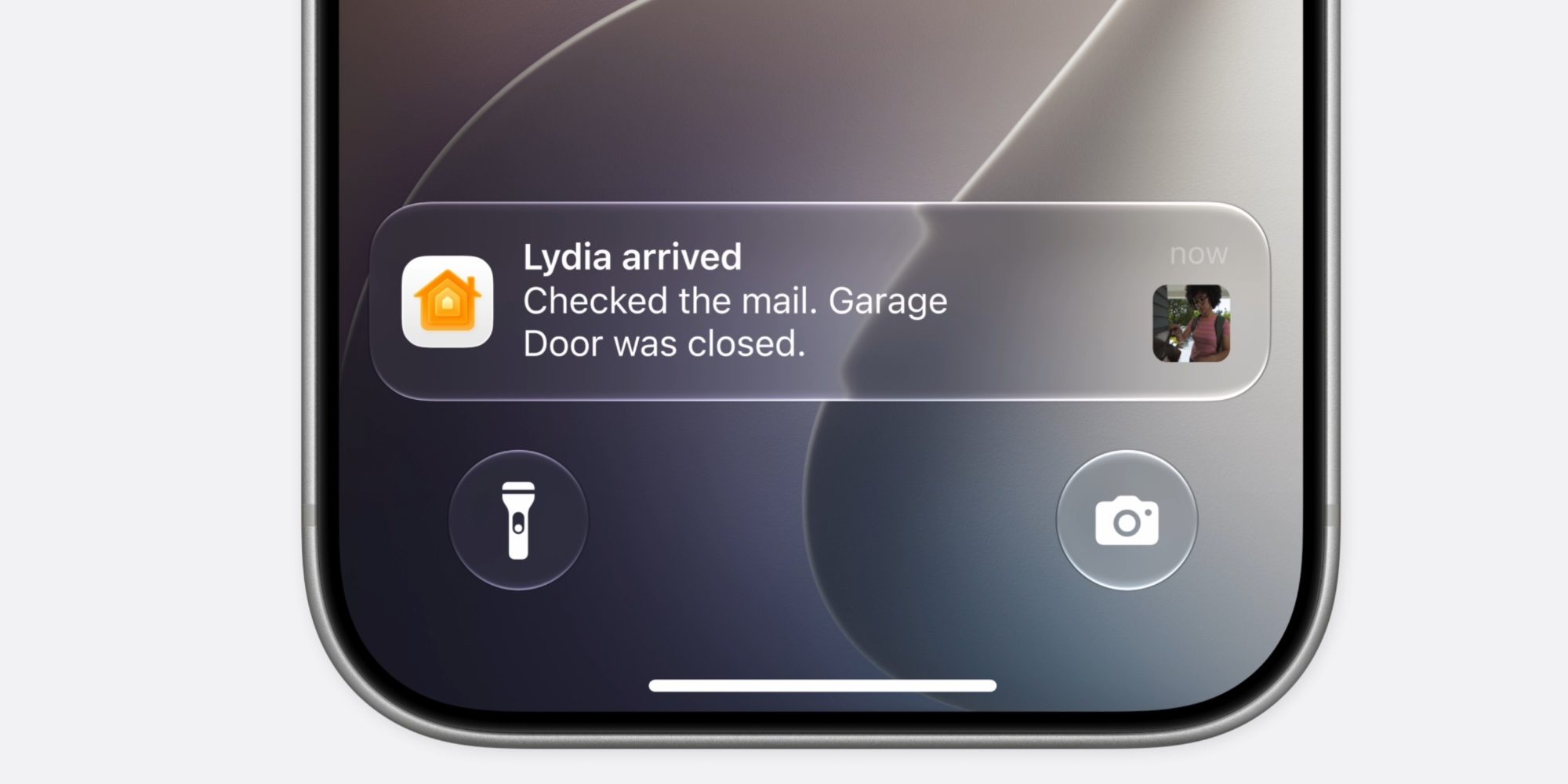
In iOS 27, Apple is introducing a revolutionary solution to this problem through real-time updating notifications. This feature, powered by Apple Intelligence, allows the Home app to understand related notifications as part of a single, continuous activity. Rather than sending a series of separate alerts, the system generates a single notification that updates dynamically as the activity unfolds.
Within the new Apple Intelligence section of the Home app’s settings, users will find a "Reduce Notifications" toggle. When enabled, the app uses contextual awareness to group events. For example, if a family member arrives home, the initial notification might simply state that they have been detected. As they walk to the door and unlock it, that same notification bubble will update its text in real time to reflect the new status.
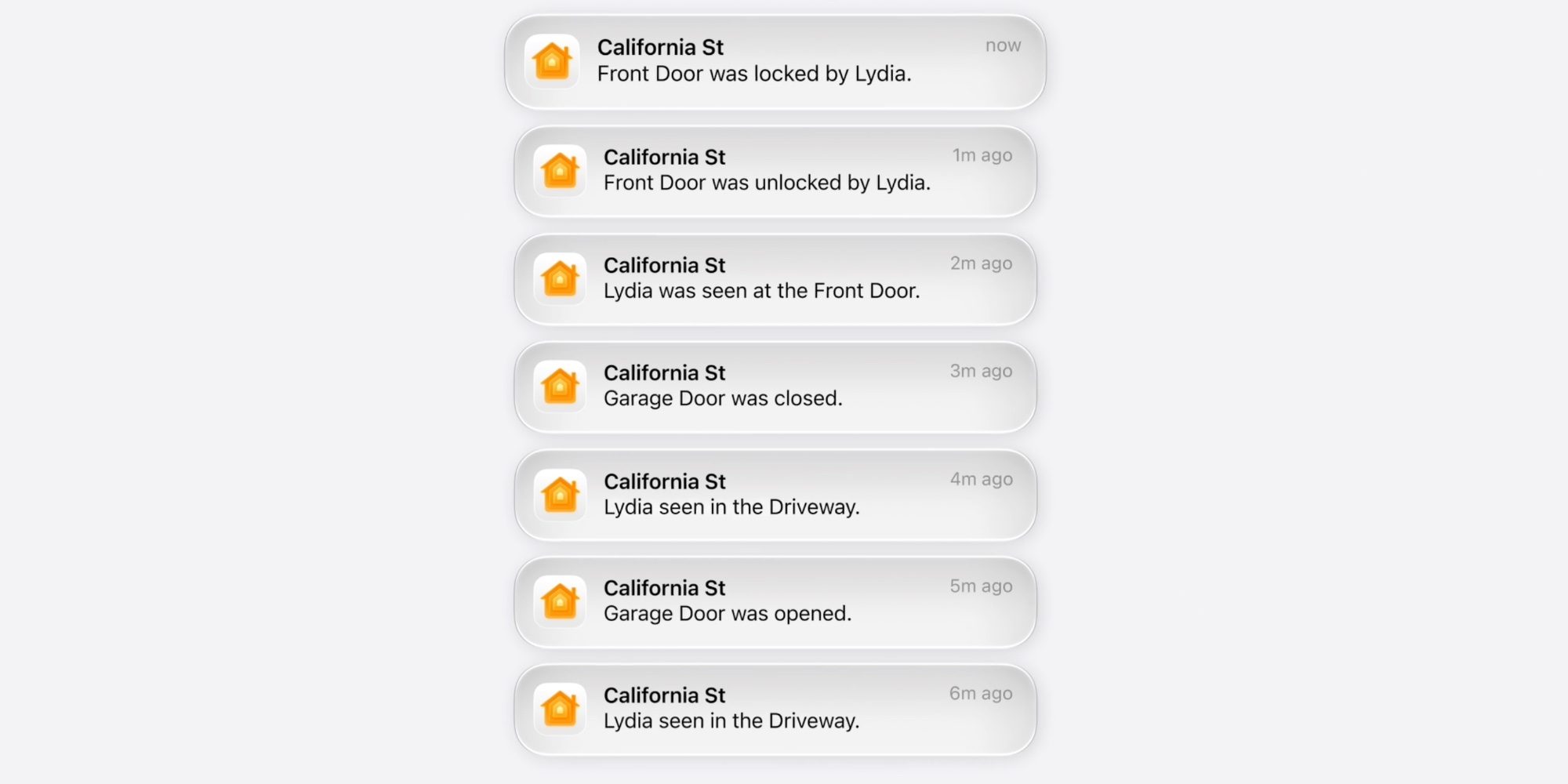
Apple’s official documentation describes the feature as a way to "combine related activities into one notification that updates in real time." A practical example provided by the company shows how a sequence of seven or more alerts can be condensed into a single, informative summary: "Lydia arrived. Checked the mail. Garage Door was closed." This approach utilizes the "Live Activity" framework that Apple has refined in recent years, bringing a sense of order to what was previously a chaotic stream of data.
By focusing on the latest and most relevant information, the Home app ensures that the user’s Lock Screen remains clean and actionable. If a door is unlocked and then subsequently locked, the notification will reflect the final "Locked" state, removing the need for the user to clear multiple outdated alerts. This shift from a chronological log to a contextual summary represents a fundamental change in how Apple views the relationship between the user and their home.
The Strategic Context of the "Welcome Home" Event
The release of these features in iOS 27 is a clear signal that Apple is ready to re-assert its dominance in the smart home market. For several years, the company appeared to take a backseat to competitors like Amazon and Google, focusing instead on the underlying Matter standard to ensure interoperability. However, the deep integration of Apple Intelligence suggests that Apple is now focused on the "top-layer" experience—the interface and intelligence that sit above the hardware.

The October 13 event, titled "Welcome Home," is widely expected to showcase new hardware that will act as the primary interface for these iOS 27 features. Industry analysts speculate that Apple may introduce a new home hub device featuring a display, which would serve as a dedicated station for the Home app’s new 4K video feeds and AI-summarized notifications.
Furthermore, the emphasis on on-device processing for these AI features reinforces Apple’s commitment to privacy. While other smart home platforms often process video and voice data in the cloud, Apple’s use of the local Neural Engine for video indexing and notification summarization ensures that the most sensitive data about a user’s private life never leaves their premises. This "Privacy First" approach remains a key differentiator for the HomeKit ecosystem and is a central pillar of the iOS 27 marketing campaign.
As the beta cycle for iOS 27 continues, developers and early adopters have noted that the Home app feels more responsive and "aware" than ever before. The combination of high-fidelity 4K video, intelligent search, and streamlined notifications addresses the primary friction points that have hindered smart home adoption for the average consumer.
With the "Welcome Home" event just days away, the tech world is watching to see how Apple will bridge the gap between these powerful software upgrades and its next generation of hardware. For now, iOS 27 stands as a testament to the company’s vision of a home that is not just "connected," but truly intelligent—providing users with the information they need, exactly when they need it, without the clutter of the past.
 Smart Home & IoT Solutions
SwitchBot Expands Smart Home Ecosystem with Launch of Lock Vision and Lock Vision Pro Featuring 3D Facial Recognition and Matter Support
In the rapidly evolving landscape of smart home security, the quest for...
 Smart Home & IoT Solutions
Apple Set to Revolutionize the Smart Home with Upcoming Smart Display Launch
Apple is reportedly less than two weeks away from unveiling its highly...
 Smart Home & IoT Solutions
Apple and LG Collaborate on Major Smart Home Expansion to Reboot the HomeKit Ecosystem
In a significant strategic shift aimed at revitalizing its presence in the...







