
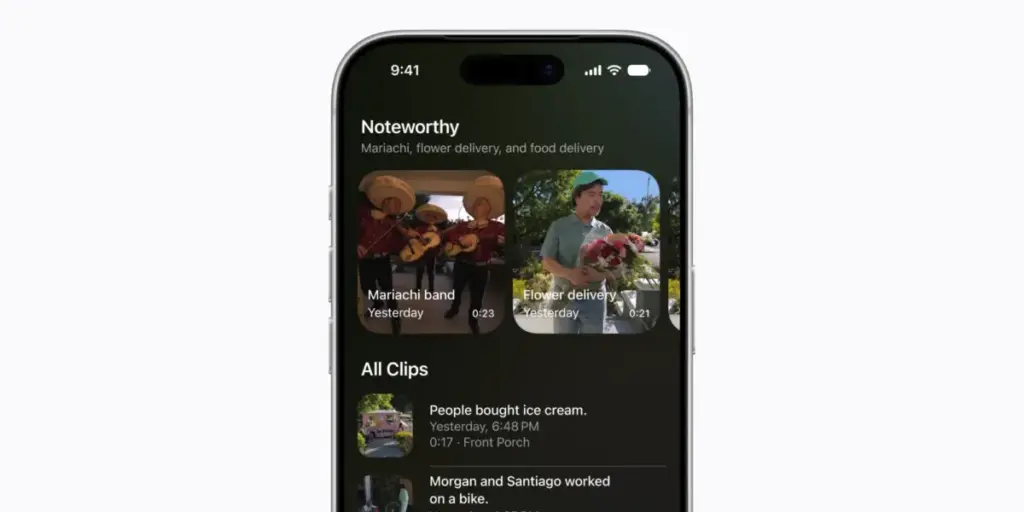
The first is an advanced semantic search capability for video clips. Leveraging the neural engine on the iPhone and iPad, the Home app can now index the contents of video footage locally. This allows users to type natural language queries into a search bar—such as "When did the delivery truck arrive?" or "Show me the kids playing in the backyard"—and receive instant results. By understanding the context of the objects and actions within the frame, Apple Intelligence transforms a passive recording into a searchable database.
Secondly, Apple Intelligence enhances the accuracy of activity zones and person recognition. While HomeKit has long been able to distinguish between people, pets, and vehicles, iOS 27 introduces a more nuanced understanding of behavior. The system can now recognize specific recurring patterns, such as a neighbor walking their dog or a frequent visitor, and categorize these events accordingly. This reduces the "noise" of the smart home, ensuring that users are only alerted to events that fall outside of the ordinary.
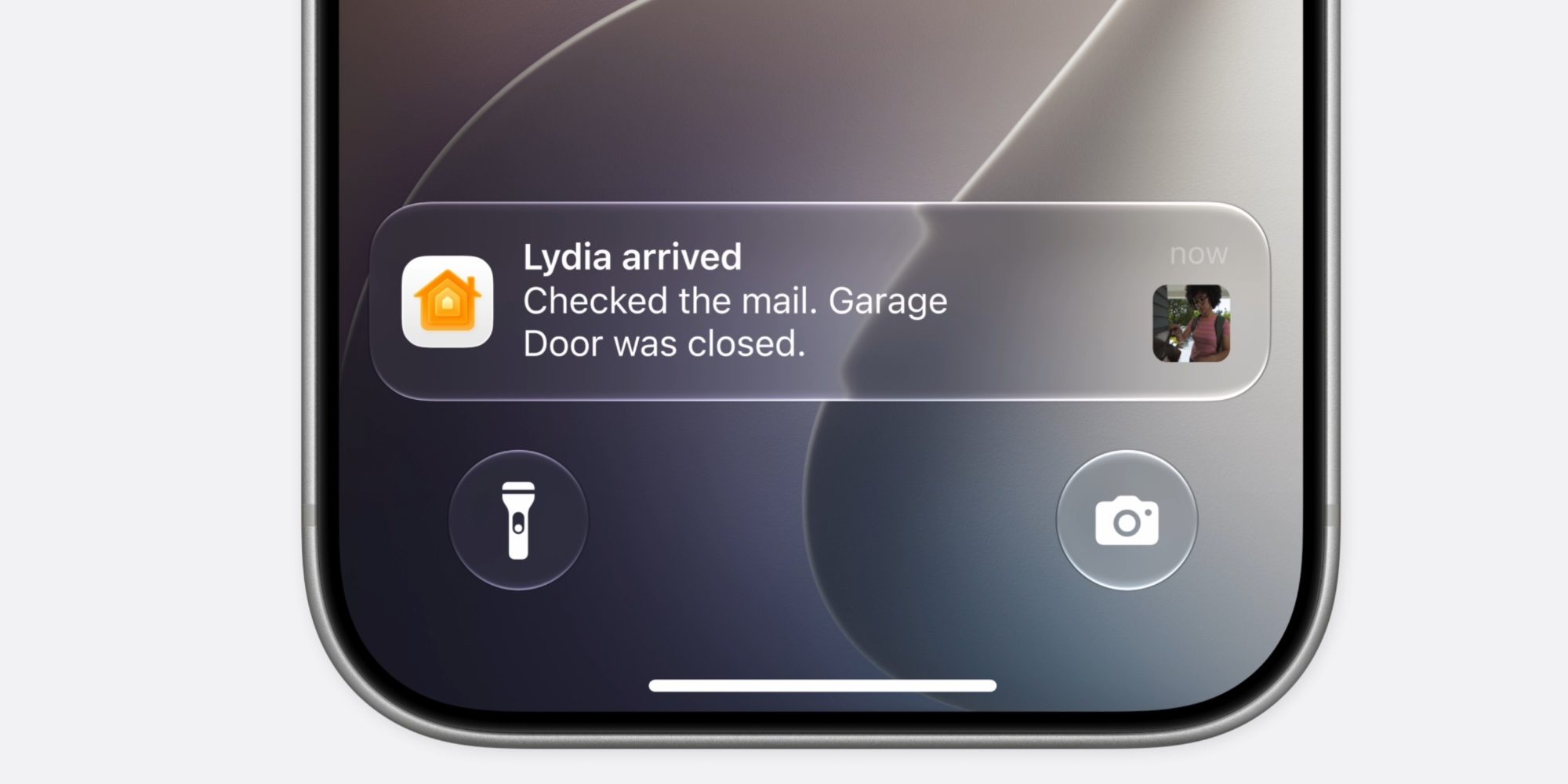
Finally, the integration of Apple Intelligence allows for more descriptive summaries of what is happening in a video clip. Instead of a generic "Motion Detected" alert, the Home app can now provide a brief, text-based summary of the action directly on the Lock Screen. This gives users immediate context without requiring them to open the app and watch the footage, saving time and providing peace of mind at a glance.
Solving Notification Fatigue with Real-Time Updates
One of the most persistent complaints regarding smart home technology is "notification fatigue." In a house equipped with smart locks, motion sensors, and cameras, a single person arriving home can trigger a cascade of alerts: "Front door motion detected," "Person identified at the door," "Front door unlocked," and "Garage door closed." For a household with multiple residents, this can result in dozens of redundant pings throughout the day.
In iOS 27, Apple is introducing a revolutionary solution to this problem through real-time updating notifications. This feature, powered by Apple Intelligence, allows the Home app to understand related notifications as part of a single, continuous activity. Rather than sending a series of separate alerts, the system generates a single notification that updates dynamically as the activity unfolds.
Within the new Apple Intelligence section of the Home app’s settings, users will find a "Reduce Notifications" toggle. When enabled, the app uses contextual awareness to group events. For example, if a family member arrives home, the initial notification might simply state that they have been detected. As they walk to the door and unlock it, that same notification bubble will update its text in real time to reflect the new status.
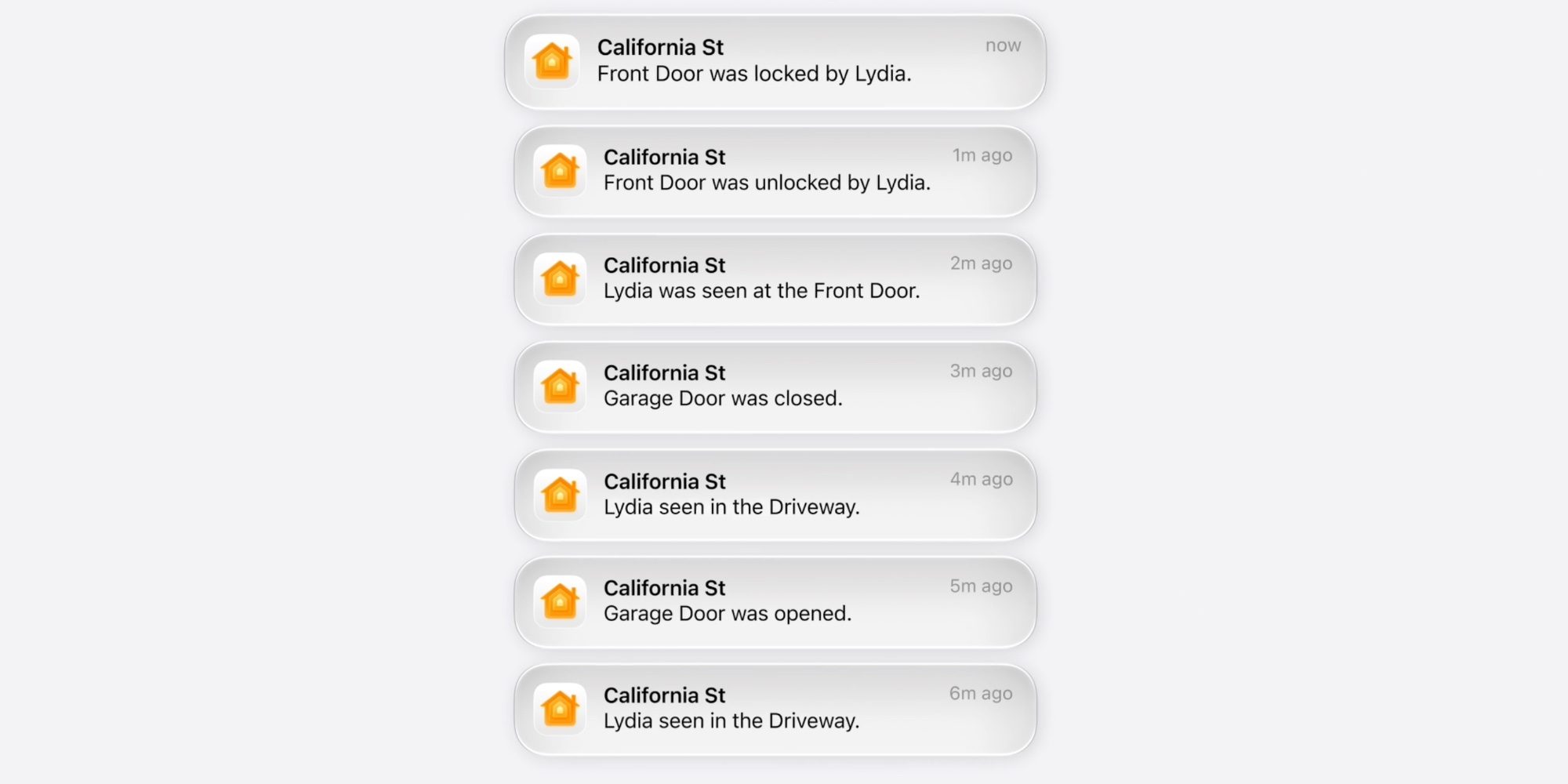
Apple’s official documentation describes the feature as a way to "combine related activities into one notification that updates in real time." A practical example provided by the company shows how a sequence of seven or more alerts can be condensed into a single, informative summary: "Lydia arrived. Checked the mail. Garage Door was closed." This approach utilizes the "Live Activity" framework that Apple has refined in recent years, bringing a sense of order to what was previously a chaotic stream of data.
 Smart Home & IoT Solutions
Apple Prepares Major Smart Home Overhaul as Apple Intelligence Breathes New Life into Siri
For several years, Apple’s presence in the smart home market has been...
 Smart Home & IoT Solutions
Apple and LG Collaborate on New Suite of Smart Home Devices in Major HomeKit Strategic Pivot
Apple is reportedly embarking on an ambitious expansion of its presence in...
 Smart Home & IoT Solutions
Apple’s Upcoming HomeView Hub to Feature Integrated HomeKit Security Camera with Advanced Privacy Controls
In the rapidly evolving landscape of the smart home, Apple has long...







