
For several years, Apple’s presence in the smart home market has been defined by a sense of steady, if somewhat quiet, persistence. While the company’s ecosystem of iPhones, iPads, and Macs has seen rapid annual iterations and groundbreaking shifts in silicon architecture, its dedicated home products—primarily the HomePod mini and the Apple TV—have remained largely static. The current versions of these devices are now between four and six years old in terms of their core design and initial technology cycles. However, recent industry shifts and the emergence of Apple’s long-awaited foray into generative artificial intelligence suggest that this period of relative stagnation is about to end.
The primary bottleneck for a hardware refresh has not been a lack of industrial design capability or a lack of interest in the living room, but rather the limitations of Siri. As the primary interface for the smart home, Siri has often struggled to match the conversational fluidity and functional depth of its competitors. According to internal reporting and industry analysts, the development of "Apple Intelligence" was the missing piece of the puzzle. With a significantly more capable, AI-driven Siri now ready for prime time, Apple is reportedly prepared to launch a comprehensive overhaul of its home hardware lineup, beginning as early as this fall.
The Imminent Refresh: HomePod mini and Apple TV 4K
The first wave of this smart home renaissance is expected to focus on the core pillars of Apple’s current home strategy: the HomePod mini and the Apple TV 4K. Both devices have served as reliable, if aging, hubs for the HomeKit ecosystem, but they are increasingly underpowered for the local processing requirements of modern AI models.
The HomePod mini, which has remained largely unchanged since its debut, is slated for a significant internal upgrade. Current reports suggest that Apple will move away from the aging S5 chip, potentially skipping several generations to land on the S9 chip—or perhaps an even more powerful successor. The transition to the S9 chip is not merely a matter of speed; it is about the Neural Engine. To support the more advanced features of Apple Intelligence, the HomePod mini requires the hardware overhead to process complex requests and manage smart home automation with greater local autonomy.
In addition to the silicon upgrade, the next HomePod mini is expected to feature the N1 wireless chip, which debuted in the iPhone 15 lineup. This addition would enhance the device’s spatial awareness and its ability to communicate with other Apple devices in the home with higher precision. While the physical form factor is expected to remain similar to the current spherical design, consumers can likely expect a refreshed palette of color options and refined internal audio components to squeeze even more performance out of the small enclosure. The ultimate goal is to transform the HomePod mini from a simple smart speaker into a truly capable AI assistant that can manage a household’s digital life with minimal latency.
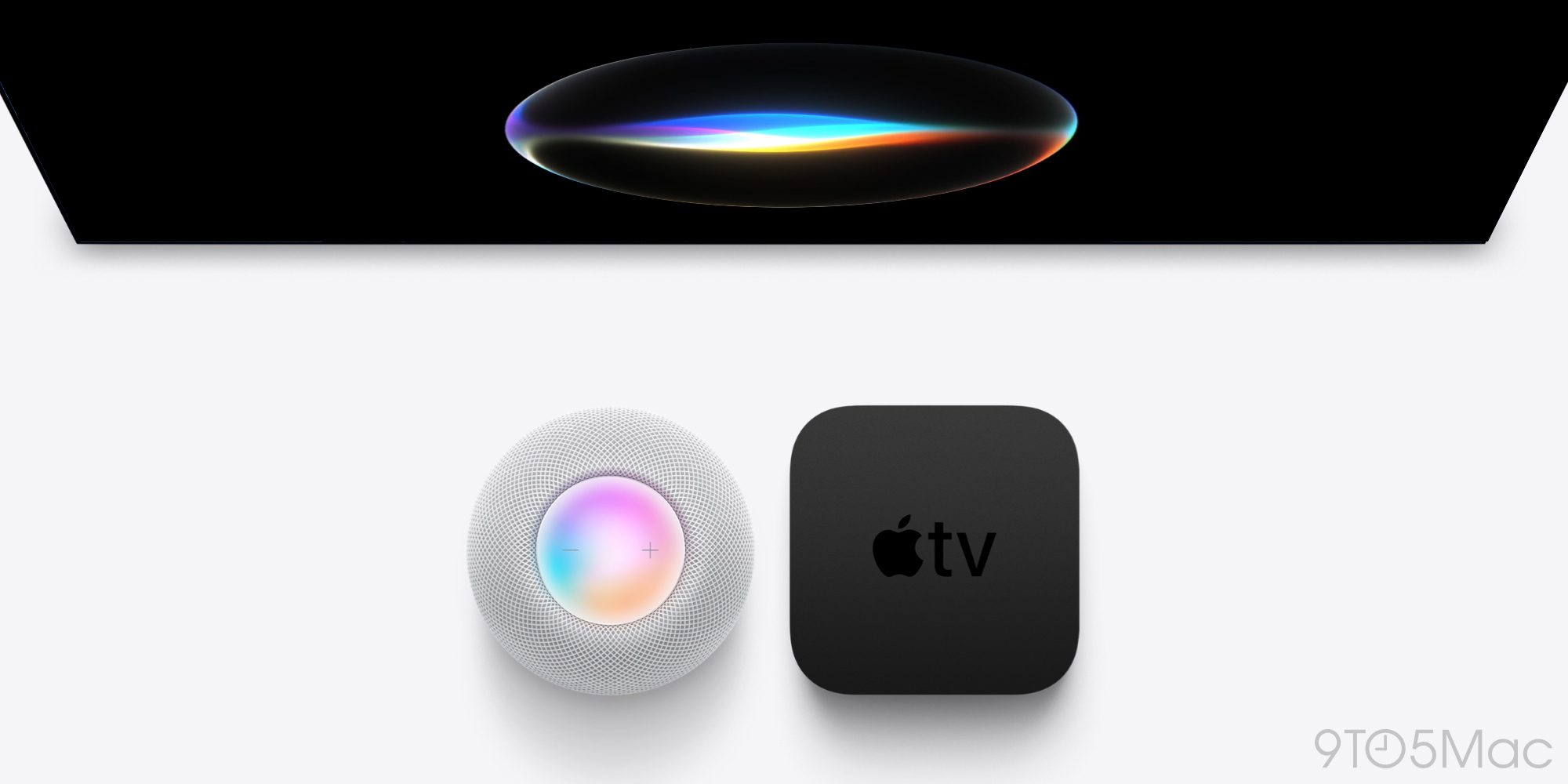
Parallel to the HomePod update, a new Apple TV 4K is also on the horizon. The current model utilizes the A15 Bionic chip, which, while still powerful for streaming video, lacks the specialized architecture for the next generation of Siri AI. Reports indicate that the upcoming Apple TV 4K will feature the A17 Pro chip. While some enthusiasts might point out that the A17 Pro will be several years old by the time the next Apple TV has spent a year on the market, the jump from the A15 is substantial. This chip would provide the necessary horsepower to run many Apple Intelligence features locally on the device, ensuring that user data remains private—a core tenet of Apple’s AI marketing strategy.
Beyond the internal specs, the Apple TV 4K may arrive with a redesigned Siri Remote. While the current silver aluminum remote was a well-received correction to previous design missteps, Apple is reportedly looking to tweak the ergonomics and perhaps integrate "Find My" speaker capabilities more deeply into the chassis. Despite these upgrades, Apple aims to keep pricing stable. Following the price adjustments seen this past June, the HomePod mini is expected to hold at approximately $129, while the Apple TV 4K should continue to start around $199.
The New Category: A Dedicated Smart Home Hub
While updates to existing products are expected, the most significant development in Apple’s home strategy is the imminent arrival of an entirely new category of device: a dedicated smart home hub. This product, which has been in the development pipeline for years, represents Apple’s answer to the Google Nest Hub and the Amazon Echo Show.
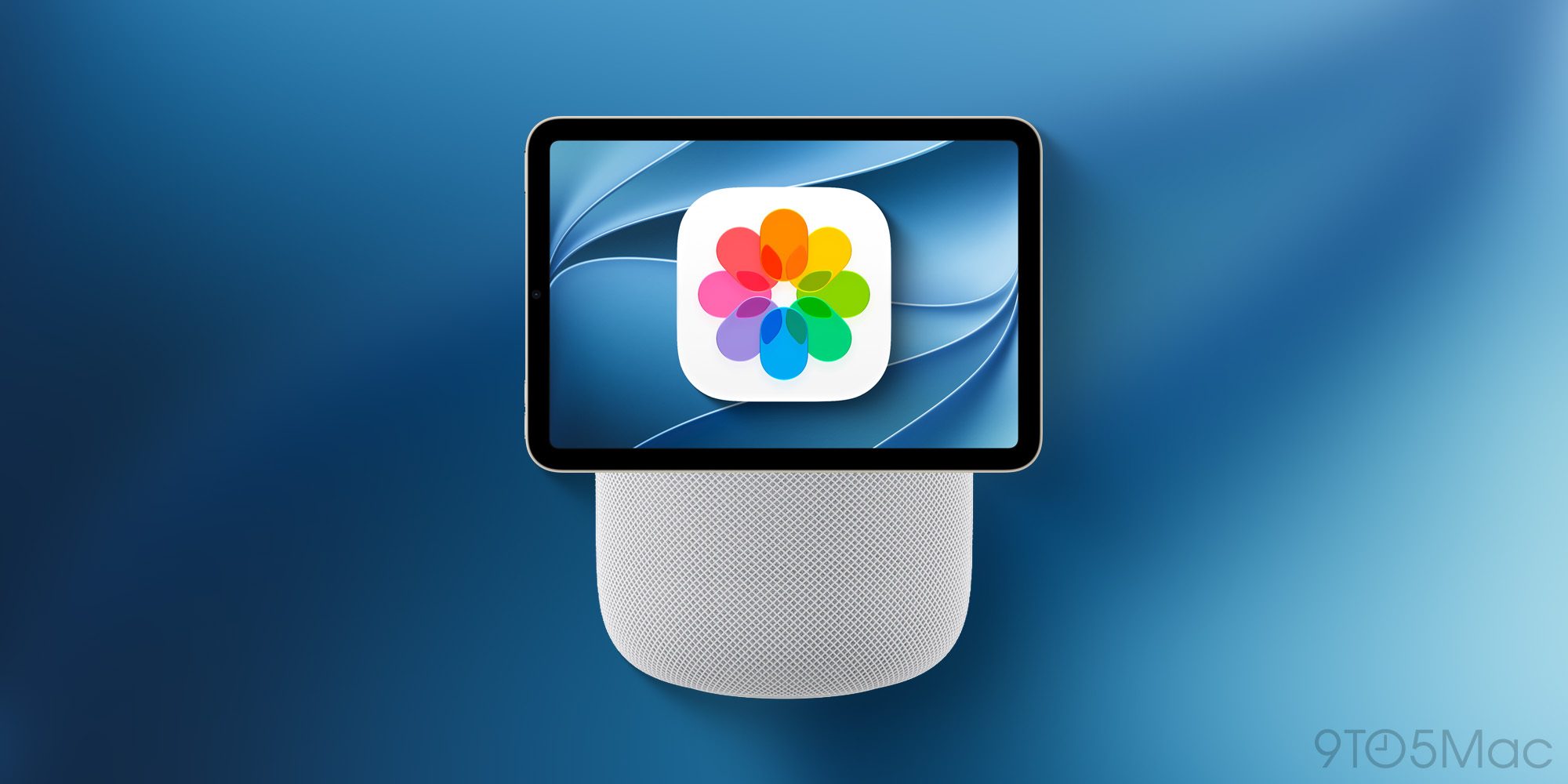
Apple is reportedly working on two distinct versions of this hub. The first is a lightweight, screen-focused device designed to be mounted on walls via a magnetic system, acting as a central command center for the home. The second variant features a screen attached to a robust speaker base, allowing it to function as a standalone media and communication device.
Internally referred to by some as the "HomePad," this device is expected to sport a 7-inch square display. More importantly, it will debut a new operating system, currently dubbed "homeOS." This software will be a hybrid of the best elements of tvOS and iPadOS, optimized for a "lean-forward" touch experience and "glanceable" information. The HomePad will allow users to make FaceTime calls, manage complex HomeKit scenes, and interact with the AI-enhanced Siri through a visual interface.
To ensure this new category can handle the demands of homeOS and Apple Intelligence, the device is expected to be powered by the A18 chip. This suggests that Apple views the home hub not as a budget accessory, but as a flagship product capable of high-level computational tasks. The release window for the HomePad is currently pegged between late 2024 and early 2025, positioning it as the centerpiece of Apple’s holiday or spring hardware announcements.
Furthermore, the full-size HomePod is not being left behind. While it was only recently reintroduced to the lineup, Bloomberg’s Mark Gurman has reported that another iteration is already in the works. This update will likely focus on bringing the large speaker’s processor up to speed with the rest of the AI-capable fleet, ensuring that the premium audio experience is matched by a premium intelligence experience.
Long-Term Vision: Security and Robotics
Looking further down the road, toward late 2026 and into 2027, Apple’s ambitions for the home extend into even more specialized hardware. For years, Apple has provided the software framework for home security through HomeKit Secure Video, but it has relied on third-party manufacturers like Logitech and Eve to provide the cameras and doorbells. That is set to change.
Apple is reportedly preparing to launch its first first-party smart home accessories, including a dedicated security camera and a smart doorbell. By moving into the hardware side of home security, Apple can offer a level of vertical integration and privacy assurance that is difficult to achieve when relying on third-party firmware. These devices will likely leverage Apple’s advanced image signal processors to offer superior facial recognition and object detection, all processed locally to maintain the company’s commitment to user privacy.
Perhaps the most futuristic project in Apple’s home laboratory is a high-end tabletop robot. This device is described as an evolution of the smart home hub, featuring a larger 9-inch display mounted on a robotic arm. This arm would allow the screen to tilt, rotate, and follow a user around a room during a FaceTime call or while they are following a recipe in the kitchen.
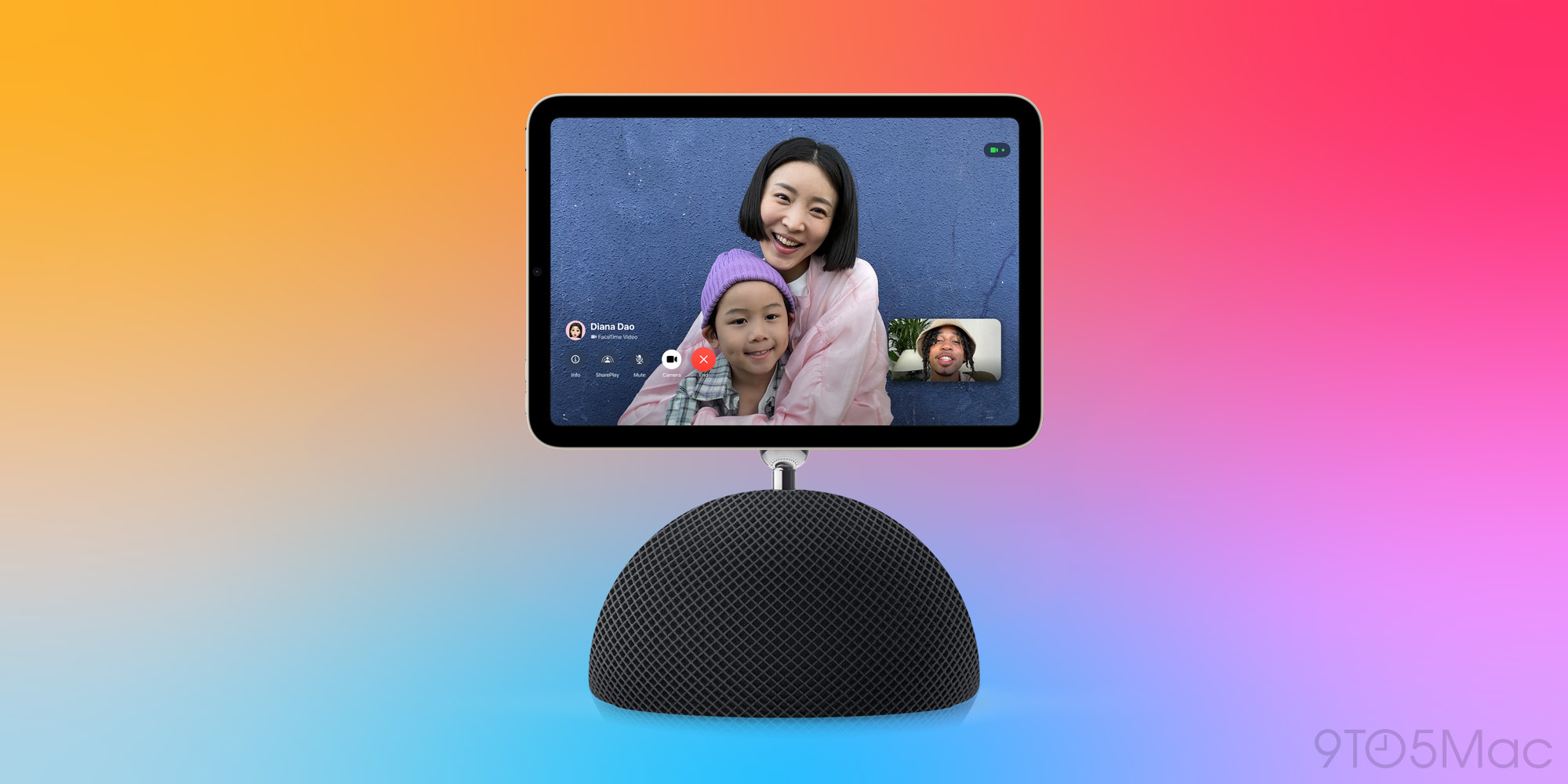
This tabletop robot represents the intersection of Apple’s work in silicon, AI, and mechanical engineering. It is intended to be a premium "pro" version of the home hub, offering a more interactive and immersive experience than a static screen ever could. While this project is still several years away from a commercial release, it highlights the scale of Apple’s long-term commitment to the home.
A Unified Ecosystem
The upcoming years represent a pivotal transition for Apple. The company is moving from a position of providing "home accessories" to building a "home ecosystem." By updating the HomePod mini and Apple TV with AI-capable silicon, introducing a dedicated homeOS hub, and eventually expanding into security hardware and robotics, Apple is attempting to create a seamless digital fabric that extends from the pocket to the living room wall.
The common thread through all these products is Apple Intelligence. By making Siri more capable and ensuring that the hardware can support local AI processing, Apple is finally addressing the primary criticism of its smart home efforts. As these products begin to hit the market later this year and into the next, the "Apple Home" may finally become as central to the user experience as the iPhone itself. For consumers who have waited years for a reason to upgrade their aging HomePods or Apple TVs, the wait appears to be nearly over.
 Smart Home & IoT Solutions
Controller for HomeKit app adds AI feature: ‘Just say it’
The core premise of the update is to allow users to use...
 Smart Home & IoT Solutions
Report: Apple ‘HomeView’ smart home hub will ship in November, come in four colors, A18 chip
The HomeView is expected to be the centerpiece of a major hardware...
 Smart Home & IoT Solutions
Schlage Announces Launch Date for Sense Pro Smart Deadbolt, Bringing Ultra Wideband Precision to Apple Home Users
The landscape of residential security is undergoing a significant shift as traditional...







