
Long-Term Vision: Security and Robotics
Looking further down the road, toward late 2026 and into 2027, Apple’s ambitions for the home extend into even more specialized hardware. For years, Apple has provided the software framework for home security through HomeKit Secure Video, but it has relied on third-party manufacturers like Logitech and Eve to provide the cameras and doorbells. That is set to change.
Apple is reportedly preparing to launch its first first-party smart home accessories, including a dedicated security camera and a smart doorbell. By moving into the hardware side of home security, Apple can offer a level of vertical integration and privacy assurance that is difficult to achieve when relying on third-party firmware. These devices will likely leverage Apple’s advanced image signal processors to offer superior facial recognition and object detection, all processed locally to maintain the company’s commitment to user privacy.
Perhaps the most futuristic project in Apple’s home laboratory is a high-end tabletop robot. This device is described as an evolution of the smart home hub, featuring a larger 9-inch display mounted on a robotic arm. This arm would allow the screen to tilt, rotate, and follow a user around a room during a FaceTime call or while they are following a recipe in the kitchen.
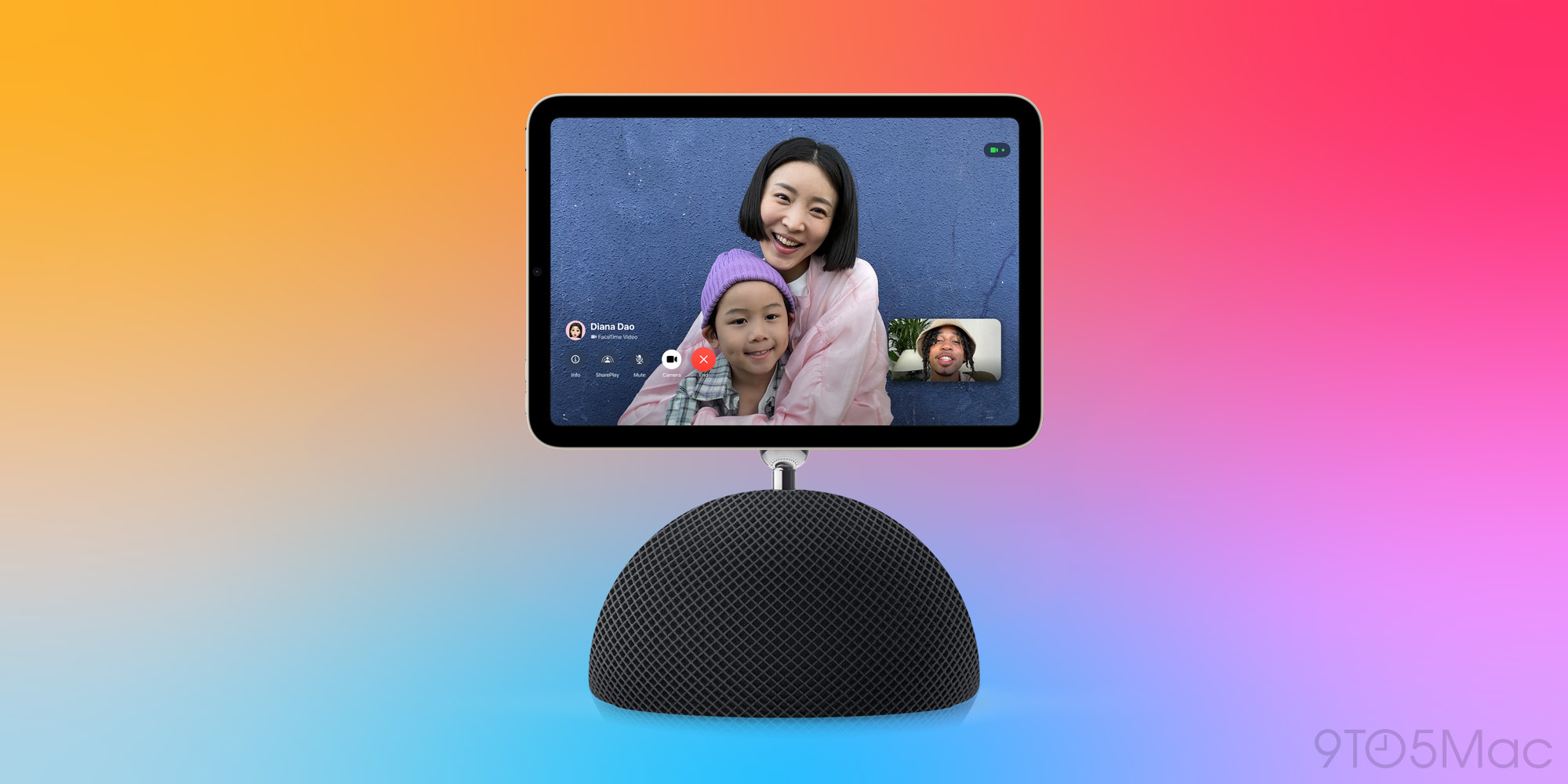
This tabletop robot represents the intersection of Apple’s work in silicon, AI, and mechanical engineering. It is intended to be a premium "pro" version of the home hub, offering a more interactive and immersive experience than a static screen ever could. While this project is still several years away from a commercial release, it highlights the scale of Apple’s long-term commitment to the home.
A Unified Ecosystem
The upcoming years represent a pivotal transition for Apple. The company is moving from a position of providing "home accessories" to building a "home ecosystem." By updating the HomePod mini and Apple TV with AI-capable silicon, introducing a dedicated homeOS hub, and eventually expanding into security hardware and robotics, Apple is attempting to create a seamless digital fabric that extends from the pocket to the living room wall.
The common thread through all these products is Apple Intelligence. By making Siri more capable and ensuring that the hardware can support local AI processing, Apple is finally addressing the primary criticism of its smart home efforts. As these products begin to hit the market later this year and into the next, the "Apple Home" may finally become as central to the user experience as the iPhone itself. For consumers who have waited years for a reason to upgrade their aging HomePods or Apple TVs, the wait appears to be nearly over.
 Smart Home & IoT Solutions
Apple Prepares Major Smart Home Overhaul as Apple Intelligence Breathes New Life into Siri
For several years, Apple’s presence in the smart home market has been...
 Smart Home & IoT Solutions
Apple’s Upcoming HomeView Hub to Feature Integrated HomeKit Security Camera with Advanced Privacy Controls
In the rapidly evolving landscape of the smart home, Apple has long...
 Smart Home & IoT Solutions
Apple Gates Advanced AI Home Security Features Behind Premium 2TB iCloud Subscription
As the technology industry continues its aggressive pivot toward artificial intelligence, the...







