
Hardware Roadmap: iPad Refresh Expected in First Half of 2027
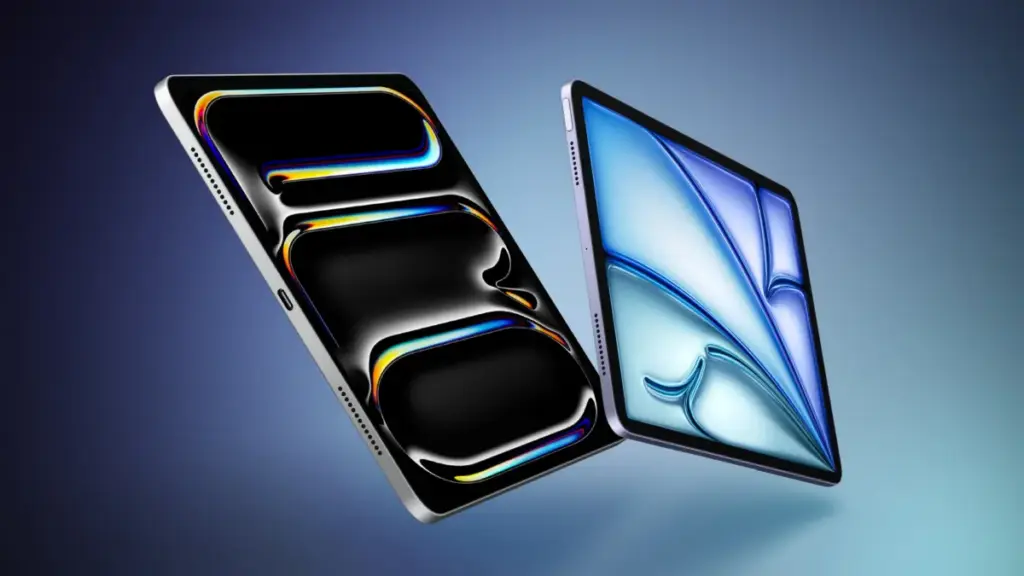
While Apple’s 2026 hardware release window is narrowing, details are emerging regarding the company’s product timeline for early next year. Following the release of the updated iPad mini, Apple is preparing a broader refresh of its tablet portfolio scheduled for the first half of 2027.
According to Bloomberg’s Mark Gurman, the centerpiece of the 2027 tablet updates will be the transition of the iPad Air line to OLED display technology, bringing enhanced contrast ratios and power efficiency to Apple’s mid-tier tablets. Meanwhile, updates to the flagship iPad Pro line and the entry-level base iPad are expected to be more modest performance refreshes focusing on processor upgrades rather than complete external redesigns.
For the remainder of 2026, Apple is not expected to host additional major hardware reveal events. However, the company will focus on delivering previously announced software updates, completing initial deliveries for November hardware, and stabilizing its retail supply chains heading into the holiday shopping period.
Memory Market Shifts: Storage Suppliers Gain Leverage Amid AI Boom
Underpinning Apple’s current hardware expansion is a shifting dynamic within its component supply chain. According to a report by Rolfe Winkler in The Wall Street Journal, suppliers of flash storage and RAM are exercising unprecedented pricing power over major consumer tech companies, including Apple, amid a severe global memory shortage.
Historically, Apple’s position as the world’s largest volume purchaser of flash storage allowed it to command steep price discounts and enforce strict contract terms. Procurement strategies spearheaded by former executive Tony Blevins built a reputation for aggressive negotiation, keeping Apple’s component margins high.

However, the rapid expansion of artificial intelligence infrastructure has dramatically shifted supply dynamics:
- Enterprise AI Demand: Global tech firms are building massive data center infrastructures, creating unprecedented demand for enterprise-grade flash storage and high-density memory chips.
- Reallocated Capacity: Semiconductor manufacturers have redirected production lines toward enterprise AI orders, constraining the supply of consumer-grade memory components.
- Loss of Buyer Leverage: With alternative high-margin enterprise buyers consuming capacity, flash suppliers are no longer reliant on Apple’s scale, eliminating the tech giant’s traditional negotiating leverage.
Industry analysts project that high component pricing and structural memory chip shortages will persist through 2030, presenting long-term structural margin challenges for consumer hardware manufacturers industry-wide.
 macOS & Apple IT Support
Apple Reaches Agreement to Hire AI Audio Startup Huxe’s Key Personnel and License Its Technology
Apple has reached an agreement to recruit key personnel from Huxe, an...
 macOS & Apple IT Support
Apple Retail Personnel Instructed to Warn Walk-In Buyers Away on iPhone Duo Launch Day Amid Severe Inventory Shortages
With the official release of Apple’s highly anticipated foldable iPhone Duo fast...
 macOS & Apple IT Support
Apple Adds Selfie-Based Age Verification to iOS 27.2 and iPadOS 27.2 to Verify Adult Status Without Government IDs
Apple has introduced a selfie-based age verification system in its iOS 27.2...







