
Apple is navigating one of its most intensive product launch cycles of the year. Entering the second week of November 2026, the company has rolled out a major wave of new
hardware while preparing additional devices for release in the coming days. The new arrivals include Apple’s long-anticipated touchscreen MacBook Pro models, marking a historical shift in the company’s personal computing strategy.
Beyond hardware rollouts, Apple has initiated developer testing for iOS 27.3, a feature-rich software update that reintroduces key health tracking tools and introduces refined browsing controls. However, the rapid pace of product debuts comes alongside operational friction. Internal documents reveal that Apple is actively managing display durability issues on its newly launched foldable iPhone Duo, even as persistent supply constraints and systemic flash storage shortages pressure the company’s broader hardware business.
Major Hardware Debuts: Touchscreen Macs and November Launches
Following a week of active pre-orders, Apple officially launched five new products in retail stores and online channels on Friday, November 6. Highlighting the release wave is Apple’s first-ever family of touchscreen MacBook Pro models, representing a landmark design evolution for the Mac lineup. The integration of touch functionality into macOS hardware comes after years of industry speculation and signifies a broader convergence of Apple’s touch-first and desktop software experiences.
Alongside the new touch-enabled laptops, Apple refreshed several core devices, including an updated iPad mini. The current product drops represent the first half of a staggered November launch strategy.
Apple’s hardware momentum is scheduled to continue immediately into the following week. Two additional products—the all-new HomeView smart home hub and a refreshed Apple TV 4K set-top box—are slated to reach consumers on Friday, November 13. Together, these releases complete an aggressive fall hardware campaign aimed at bolstering Apple’s footprint in both personal computing and living room ecosystems.
Software Developments: What’s New in the iOS 27.3 Beta
On the software front, Apple has officially seeded the first beta of iOS 27.3 to developers. Positioned as the most substantial update to the iOS 27 operating system since its initial public deployment in September, the new beta incorporates features previewed earlier in the year alongside several previously unannounced enhancements.
A major focus of iOS 27.3 is the overhaul of mobile web browsing within Safari. The update introduces a customizable Vertical Tabs layout, offering users an alternative structural view for managing open pages. Additionally, Safari now includes an Adaptive Dark Mode feature designed to automatically invert and adjust website palettes for sites that lack native dark mode options, ensuring a visually consistent experience across the web.
The beta also expands core system capabilities:

- Siri AI Enhancements: The update incorporates refined Siri AI functionality, improving contextual understanding and system-level task execution.
- StandBy Expansion: Features tailored for the foldable iPhone Duo’s StandBy mode are being expanded to additional standard iPhone models, broadening ambient display options while charging.
- Health App Revamp: The redesigned Health app—which was previously introduced in the iOS 27.2 beta cycle but pulled prior to that release’s public launch—has returned in iOS 27.3. Apple plans to ship the updated Health experience to all users before the end of the year.
iPhone Duo Facing Display Cracking Reports and Supply Constraints
As adoption of Apple’s first foldable smartphone, the iPhone Duo, continues to grow following its launch, internal service documents indicate the device is encountering initial hardware durability challenges.
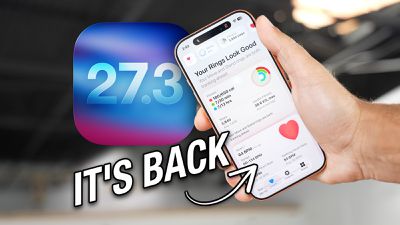
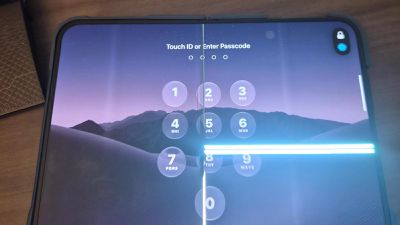
According to an internal service memo distributed to Apple Retail Stores and Apple Authorized Service Providers, Apple has provided technicians with explicit diagnostic procedures to address reports of inner display cracking. Under the guidance, service personnel are directed to inspect reported units and process repairs or whole-unit replacements according to standard service protocol. While service procedures remain routine, the issuance of a formal internal bulletin highlights that the display cracking phenomenon is widespread enough to require centralized operational guidance across Apple’s global repair network.
Simultaneously, the iPhone Duo is facing severe inventory challenges. Speaking on the matter, Apple Chief Executive Officer John Ternus stated that the company is currently unable to predict when supply will meet public demand for the foldable device.
Industry analysis points to logistical shifts as a key driver of the shortage. According to reporting from Bloomberg’s Mark Gurman, Apple originally intended to launch the iPhone Duo in November across just two primary market regions. The decision to execute a broader, earlier international rollout stretched early production yields beyond capacity, resulting in extended shipping delays and inventory stockouts globally.
Deep Dive: Apple’s HomeView Hub Software and Delayed Rollout
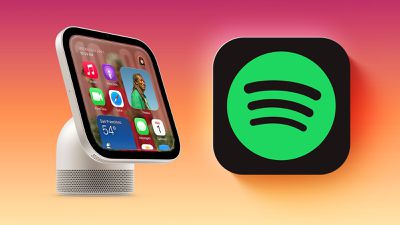
Ahead of its official market arrival on November 13, new details have surfaced regarding the software architecture driving Apple’s HomeView smart home hub. Developer Steve Troughton-Smith published a detailed technical overview of the device’s software interface, providing a detailed look at native apps, system layouts, and third-party software integration.
A key highlight of the HomeView system is its native support for third-party audio and video applications utilizing Apple’s CarPlay framework APIs. Early demonstrations show fully adapted software layouts for major third-party services, including Spotify, operating seamlessly on the desktop home screen interface.
HomeView Release Architecture Pipeline:
[ 6-Month-Old Build: OS 26.5 ] ──(Out-of-Box Ship)──> [ Mandatory Setup Update ] ──> [ Active Build: OS 27.2 ]
The software analysis also shed light on the HomeView’s delayed journey to market. Hardware units were completed months ago, but Apple delayed the physical launch to ensure full integration with its next-generation Siri AI engine, which serves as the primary hands-free interaction model for the home device. Consequently, initial HomeView inventory will ship to customers pre-installed with six-month-old operating software (version 26.5). During initial device unboxing and setup, users will be required to perform an immediate system update to HomeView software version 27.2 to unlock complete functionality.
Hardware Roadmap: iPad Refresh Expected in First Half of 2027
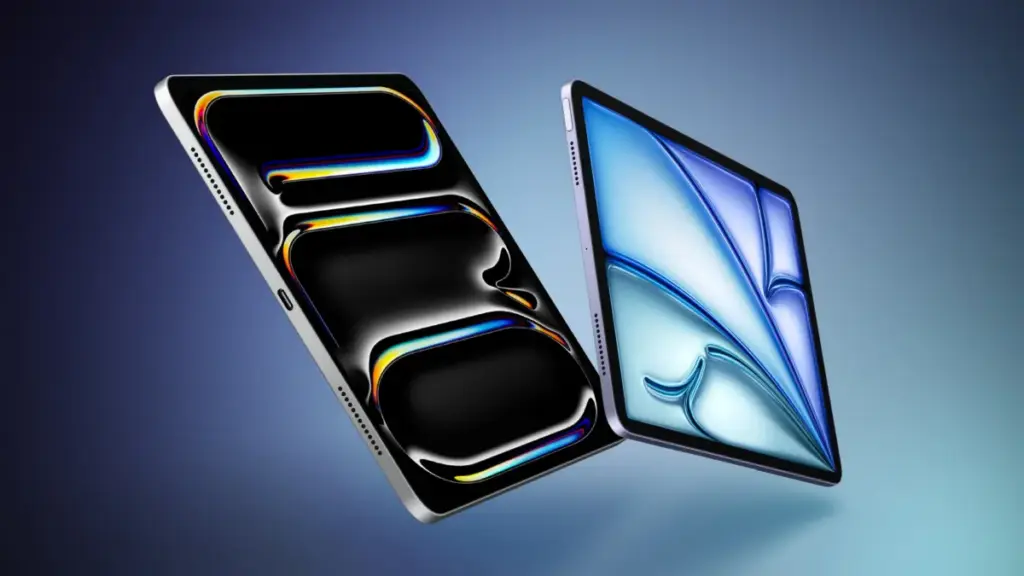
While Apple’s 2026 hardware release window is narrowing, details are emerging regarding the company’s product timeline for early next year. Following the release of the updated iPad mini, Apple is preparing a broader refresh of its tablet portfolio scheduled for the first half of 2027.
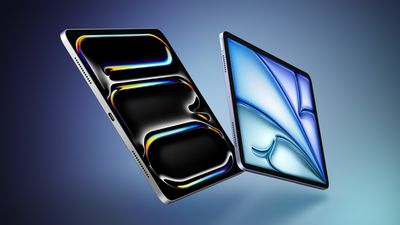
According to Bloomberg’s Mark Gurman, the centerpiece of the 2027 tablet updates will be the transition of the iPad Air line to OLED display technology, bringing enhanced contrast ratios and power efficiency to Apple’s mid-tier tablets. Meanwhile, updates to the flagship iPad Pro line and the entry-level base iPad are expected to be more modest performance refreshes focusing on processor upgrades rather than complete external redesigns.
For the remainder of 2026, Apple is not expected to host additional major hardware reveal events. However, the company will focus on delivering previously announced software updates, completing initial deliveries for November hardware, and stabilizing its retail supply chains heading into the holiday shopping period.
Memory Market Shifts: Storage Suppliers Gain Leverage Amid AI Boom
Underpinning Apple’s current hardware expansion is a shifting dynamic within its component supply chain. According to a report by Rolfe Winkler in The Wall Street Journal, suppliers of flash storage and RAM are exercising unprecedented pricing power over major consumer tech companies, including Apple, amid a severe global memory shortage.
Historically, Apple’s position as the world’s largest volume purchaser of flash storage allowed it to command steep price discounts and enforce strict contract terms. Procurement strategies spearheaded by former executive Tony Blevins built a reputation for aggressive negotiation, keeping Apple’s component margins high.
However, the rapid expansion of artificial intelligence infrastructure has dramatically shifted supply dynamics:
- Enterprise AI Demand: Global tech firms are building massive data center infrastructures, creating unprecedented demand for enterprise-grade flash storage and high-density memory chips.
- Reallocated Capacity: Semiconductor manufacturers have redirected production lines toward enterprise AI orders, constraining the supply of consumer-grade memory components.
- Loss of Buyer Leverage: With alternative high-margin enterprise buyers consuming capacity, flash suppliers are no longer reliant on Apple’s scale, eliminating the tech giant’s traditional negotiating leverage.
Industry analysts project that high component pricing and structural memory chip shortages will persist through 2030, presenting long-term structural margin challenges for consumer hardware manufacturers industry-wide.
 macOS & Apple IT Support
Apple Smart Home Launch Details Surface Ahead of NYC Event: New Home Hub, HomePod Mini 2, and Apple TV 4K Revealed in Leaks
Just two days before Apple hosts its "Welcome home" experience in New...
 macOS & Apple IT Support
Apple Testing Experimental ‘Complication Column’ Lock Screen Widgets for iPhone Duo in iOS 27.1 Internal Build
Apple has internally tested an experimental Lock Screen interface designed specifically for...
 macOS & Apple IT Support
App Developers Embrace iPhone Duo Form Factor with Skeuomorphic Designs and Interactive Folding Mechanics
The official arrival of the iPhone Duo marks a significant hardware transition...






