
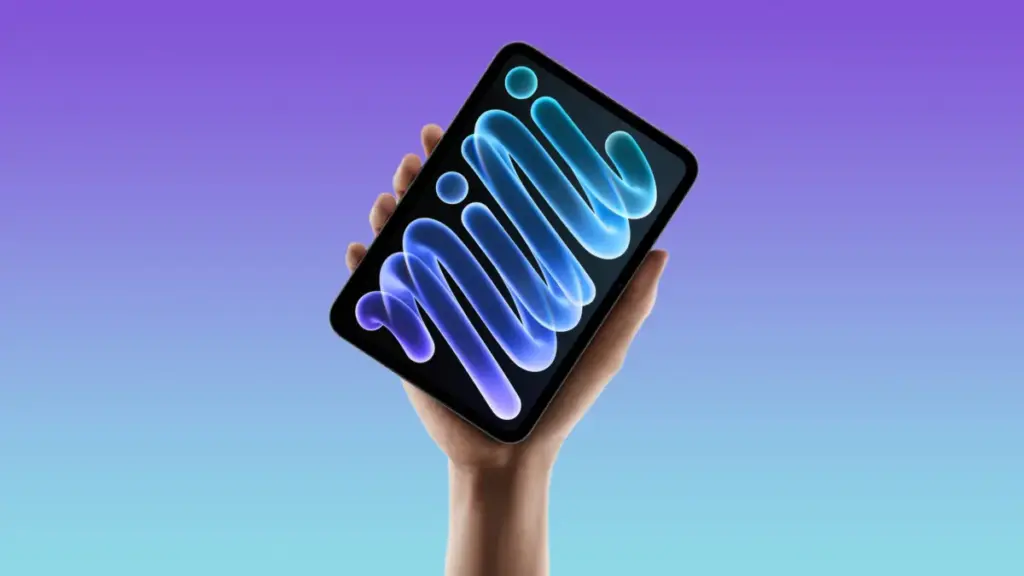
Pakula’s explanation touches on a fundamental distinction in display engineering between pixel response time and panel refresh rate. While refresh rate refers to how many complete frames a display can draw per second—measured in Hertz—pixel response time measures the speed at which individual pixels can transition from one color or state to another. On traditional LCD panels, the physical movement of liquid crystals can create a subtle lag during color state transitions, which often manifests as visible ghosting or motion blur when objects move quickly across the screen.
Because OLED pixels emit their own light directly and can change state almost instantaneously, their response times are drastically faster—often operating in fractions of a millisecond. According to Pakula, this sub-millisecond response speed dramatically reduces motion blur during fast scrolling and media playback, providing a level of visual clarity and perceived smoothness that bridges much of the visual gap typically associated with lower refresh rates on older LCD hardware.
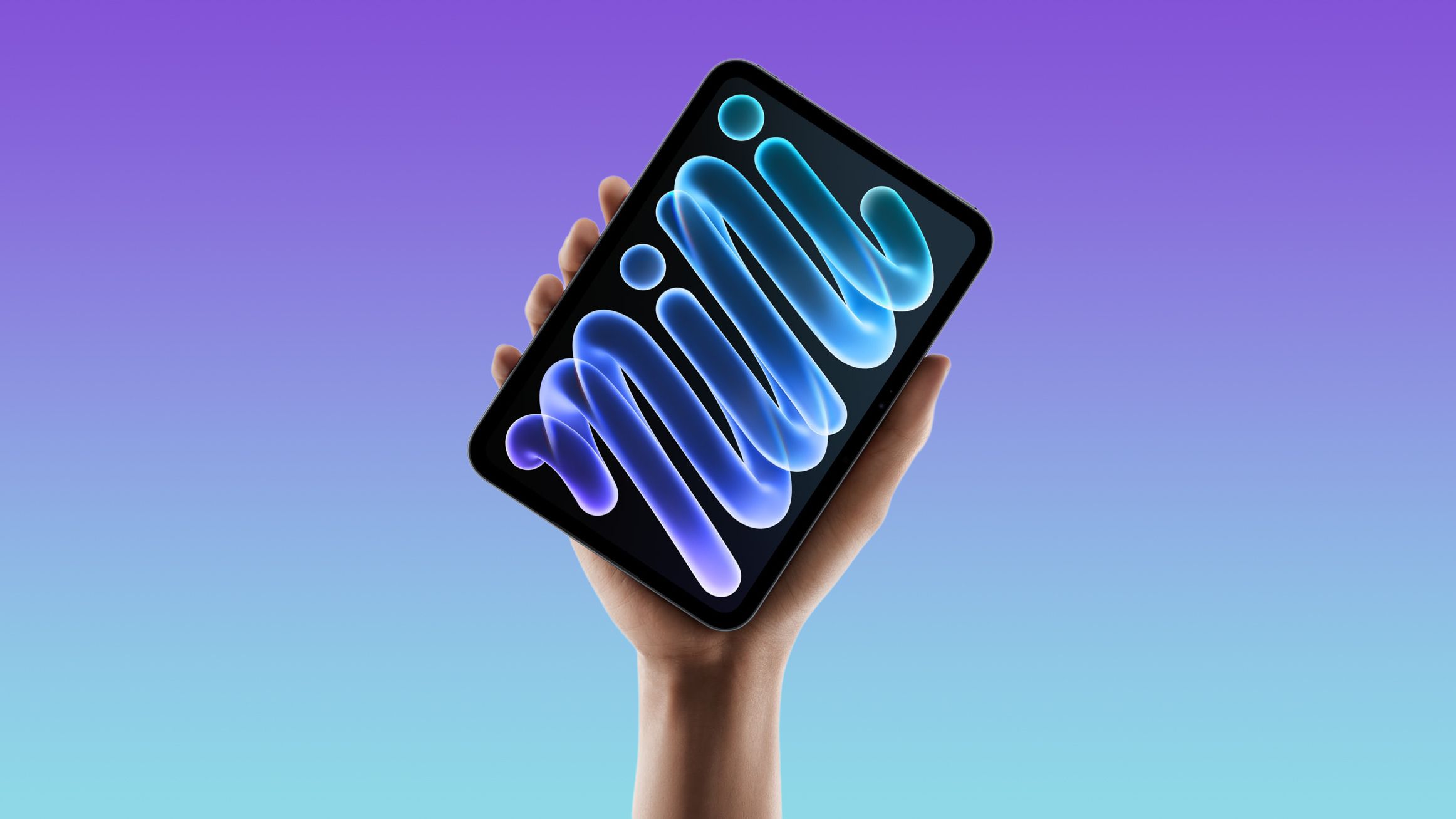
Beyond response times, Apple’s technical specifications reveal a substantial overall improvement in the performance parameters of the new iPad mini’s screen. The standard dynamic range maximum brightness has been upgraded to 600 nits, representing a noticeable step up from the 500 nits maximum output supported by the LCD panel on the previous-generation model. Furthermore, when displaying high dynamic range content, the new OLED panel is capable of reaching peak brightness levels of up to 1,200 nits, offering a far more impactful viewing experience for HDR video playback and photo editing.
The adoption of self-emissive OLED technology also brings structural changes to image quality that LCD panels cannot natively achieve. Because OLED panels eliminate the requirement for a traditional backlight, each individual pixel can be controlled independently or turned off completely. This capability allows the display to render absolute, true blacks alongside brightly illuminated highlights, generating an extraordinarily deep contrast profile. Apple’s official technical specifications list the new iPad mini as achieving a contrast ratio of 2,000,000:1. The panel maintains a sharp pixel density of 326 pixels per inch, matching the crisp resolution standards of previous models, while continuing to provide full coverage for the P3 wide color gamut to ensure accurate, vibrant color reproduction.
The display discussion comes amidst a massive generation-over-generation overhaul for Apple’s smallest tablet. Formally announced on Monday, October 26, 2026, the updated iPad mini features a slightly expanded 8.5-inch OLED display housed within a redesigned chassis that is both thinner and lighter than its predecessor. For users who frequently work in challenging lighting environments or outdoor settings, Apple is also offering a nano-texture display glass option for the first time on the iPad mini, utilizing etched glass to scatter ambient light and dramatically cut down on unwanted reflections and glare.
 macOS & Apple IT Support
Apple Reaches Agreement to Hire AI Audio Startup Huxe’s Key Personnel and License Its Technology
Apple has reached an agreement to recruit key personnel from Huxe, an...
 macOS & Apple IT Support
Apple Expands ‘True Apple Watch Story’ Campaign with New Accounts of Emergency Medical Alerts and Life-Changing Fitness Transformations
Apple has officially released the latest installments in its ongoing "True Apple...
 macOS & Apple IT Support
Apple Retail Outlets to Offer Custom Boot-Screen Personalization for iPhone Duo Launch in the United States
Apple is preparing a unique, tailored experience for customers purchasing the new...







