
Beyond its core English-language base, the Apple Support Community was a truly international ecosystem. As German contributor Tobias Steen highlighted, the platform operated dedicated localized communities spanning multiple languages, including Chinese, French, German, Japanese, Korean, Portuguese, and Spanish. These localized portals catered to non-English speaking users who relied on regional experts to translate technical jargon into accessible, native-language advice. In an unusual discrepancy during the initial announcement, the French and German versions of the platform did not immediately display explicit closure banners alongside the English site, though contributors in those regions were eventually informed that their forums faced the exact same fate on November 20.
The demographic diversity of the forums was equally vast, bringing together individuals across generations, professions, and geographic boundaries. The user base ranged from teenagers eager to learn system architecture, such as 16-year-old Evan Bato Rousseau in France, to distinguished academics and public figures. Among its regular visitors was 83-year-old British Nobel Prize winner Sir Tim Hunt, who actively utilized the platform to troubleshoot his own setup. Sir Hunt noted that despite the occasional presence of wonky or off-target answers from eager points-seekers, the board consistently served as an invaluable, practical resource for solving real-world computing problems.
For power users and software developers, the platform was more than just a place to ask basic questions; it was an advanced technical laboratory and diagnostic hub. John Daniel, a Canadian software developer best known for creating the popular macOS diagnostic utility EtreCheck, maintained an active presence on the support forums for over two decades under his online handle. In the forum’s structured gamification system, members who earned substantial reputation points through verified solutions reached "Level 6" or higher. This milestone unlocked access to "The Lounge"—a restricted, private forum category where high-level volunteers could interact directly with one another and occasionally engage with Apple’s internal engineering and support staff.
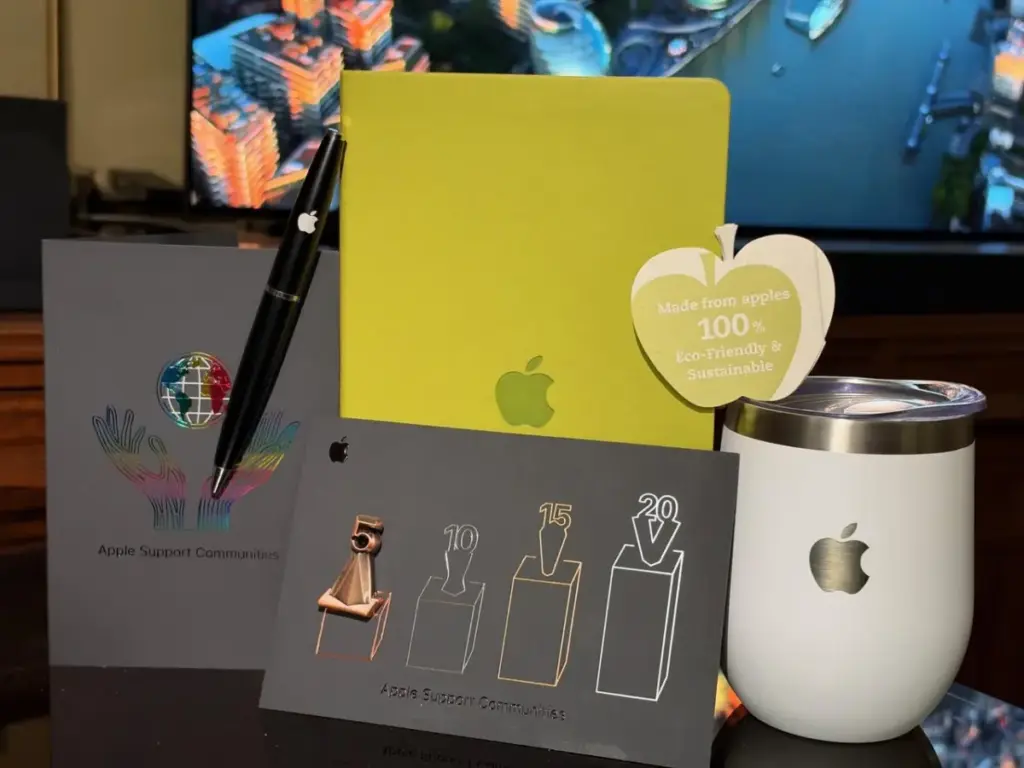
Prior to the global disruptions of 2020, Apple actively cultivated these high-tier relationships by hosting exclusive, in-person meetups for top Support Community members. These events included special invitation-only visits to Apple Park in Cupertino, where corporate executives and community managers personally thanked volunteers for reducing the load on Apple’s official customer service infrastructure.
Reflecting on the closure, Daniel strongly disputed recent public criticisms dismissing the community as outdated or useless. He emphasized that high-level volunteers regularly diagnosed complex operating system issues, isolated critical bugs within Apple software updates, traced hardware anomalies, and devised workarounds long before official software patches were deployed. The collaborative environment allowed developers and power users to continuously learn from one another while performing a vital public service for non-technical users. For veteran contributors like Daniel, the loss of that collaborative troubleshooting space represents a significant blow to the broader Mac and iOS enthusiast community.
 macOS & Apple IT Support
Apple Mandates Developer Disclosures for Location Sharing and Dating Features to Update App Store Age Ratings
Apple has announced a new set of developer requirements designed to refine...
 macOS & Apple IT Support
Apple Temporarily Shutters Seven Key French Retail Stores Amid Safety Concerns and Renewed Nationwide Protests
In a preemptive move designed to protect store personnel, customers, and physical...
 macOS & Apple IT Support
Apple Reverts to Soldered Storage on M6 and M5 Pro Mac Mini Models, Halving Base SSD Speeds via Single NAND Setup
Apple’s latest update to the Mac mini line brings a significant architectural...







