
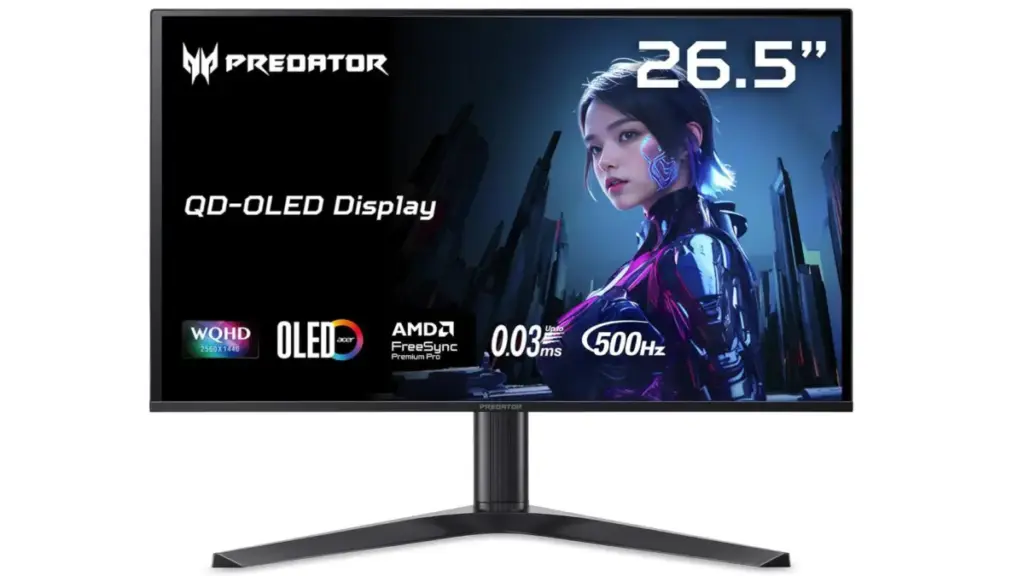
As the industry continues to navigate the complexities of hardware pricing, deals like this serve as a reminder that value can still be found if one looks toward the perimeter of the PC ecosystem. While the cost of a 2TB SSD or a 32GB kit of high-performance RAM might still sting, the ability to pair those components with a display of this caliber for just over $500 provides a bit of much-needed equilibrium to the total cost of a high-end setup. The Acer Predator X27U stands as a testament to how far display technology has come, offering a blend of speed and visual fidelity that was once the stuff of science fiction, now made available at a price point that challenges the traditional dominance of high-end LCDs.
The broader implications for the market are also significant. When a major player like Acer aggressively prices a flagship-spec monitor, it often forces competitors to follow suit, potentially leading to a wider trend of more affordable high-refresh OLEDs. For the consumer, this means that the premium for "perfect" blacks and elite-level motion clarity is rapidly evaporating. Whether one is a professional gamer seeking every possible frame of advantage or a casual user who simply wants the most vibrant and immersive visual experience possible, the current availability of the X27U at Newegg marks a significant moment in the ongoing evolution of the gaming monitor market.
Ultimately, while the news cycle may continue to be dominated by the rising costs of the "bits and bytes" that power our machines, the physical interface through which we interact with those machines is seeing a golden age of accessibility. The Acer Predator X27U, with its formidable combination of QD-OLED technology, 1440p resolution, and a trailblazing 500 Hz refresh rate, is currently leading that charge. At $509.99, it offers a compelling argument for why now might be the best time to stop looking at the prices of internal components and start looking at the screen instead.
 Hardware Reviews & PC Building
GlobalFoundries to produce silicon interposers for TSMC’s CoWoS in the US — Five-year agreement valued at $2…
The deal establishes a robust, U.S.-based manufacturing source for essential advanced packaging...
 Hardware Reviews & PC Building
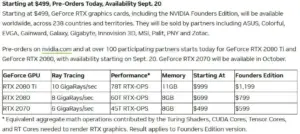
The PC gaming ray tracing obsession began with the first RTX 20 graphics cards released on this day in 2018 — the…
The debut of the GeForce 20 series was spearheaded by the release...
 Hardware Reviews & PC Building
Privacy Concerns Surface for Meta’s Muse AI as Reports Suggest Unauthorized Access to Personal Messages
The rapid evolution of artificial intelligence has brought with it a wave...







