
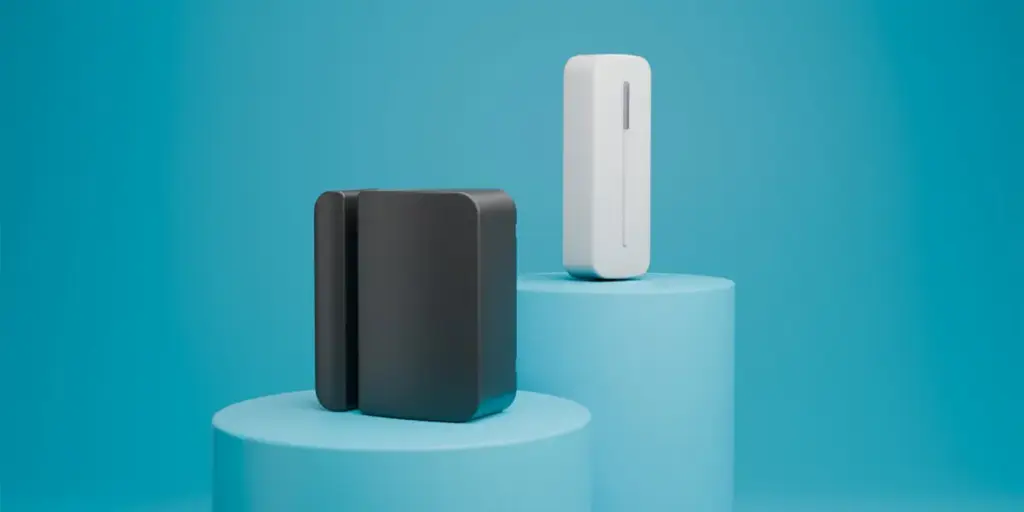
In an era where the boundary between professional-grade security and do-it-yourself convenience continues to blur, Abode, a prominent player in the DIY smart home security market, has announced a significant expansion of its hardware portfolio. The company today unveiled two new specialized sensors—the Garage Tilt Sensor and the Outdoor Contact Sensor—both of which are designed to integrate seamlessly with the Apple Home ecosystem. These additions represent a strategic move by Abode to address the "blind spots" of modern home security: those peripheral entry points like detached sheds, side gates, and garage doors that are frequently left unmonitored by standard indoor security kits.
By prioritizing compatibility with Apple Home, alongside Alexa and Google Assistant, Abode continues to position itself as a versatile choice for users who demand deep integration across various smart home platforms. The new sensors are engineered not just to alert homeowners of potential intrusions, but to serve as triggers for complex home automation routines, bridging the gap between simple security monitoring and a fully responsive smart environment.
Abode announces two Apple Home-compatible sensors
The core philosophy behind Abode’s latest product launch is the recognition that a home’s security is only as strong as its weakest link. While front doors and ground-floor windows are typically the first areas homeowners secure, secondary access points often remain vulnerable. The new Garage Tilt Sensor and Outdoor Contact Sensor are purpose-built to survive the rigors of various environments while providing the same level of reliability that users expect from indoor components.
Both sensors leverage Abode’s proprietary CUE smart home automation engine. This software layer allows users to create highly specific, personalized behaviors that go beyond simple notifications. For instance, a homeowner can program their system so that driveway floodlights activate the moment an entry gate is opened after sunset. Alternatively, for those prone to forgetfulness, the system can be configured to send a critical alert or trigger a closing mechanism if a garage door has remained open for a set duration, such as ten minutes, during the night.
Precision Monitoring for the Garage
The Abode Garage Tilt Sensor is a specialized device designed to solve the unique challenges of monitoring pivoting or swinging doors. Unlike standard contact sensors that require two parts (a sensor and a magnet) to be in close proximity, the Tilt Sensor is a single-unit device that utilizes an internal clinometer to determine the orientation of the surface to which it is attached.
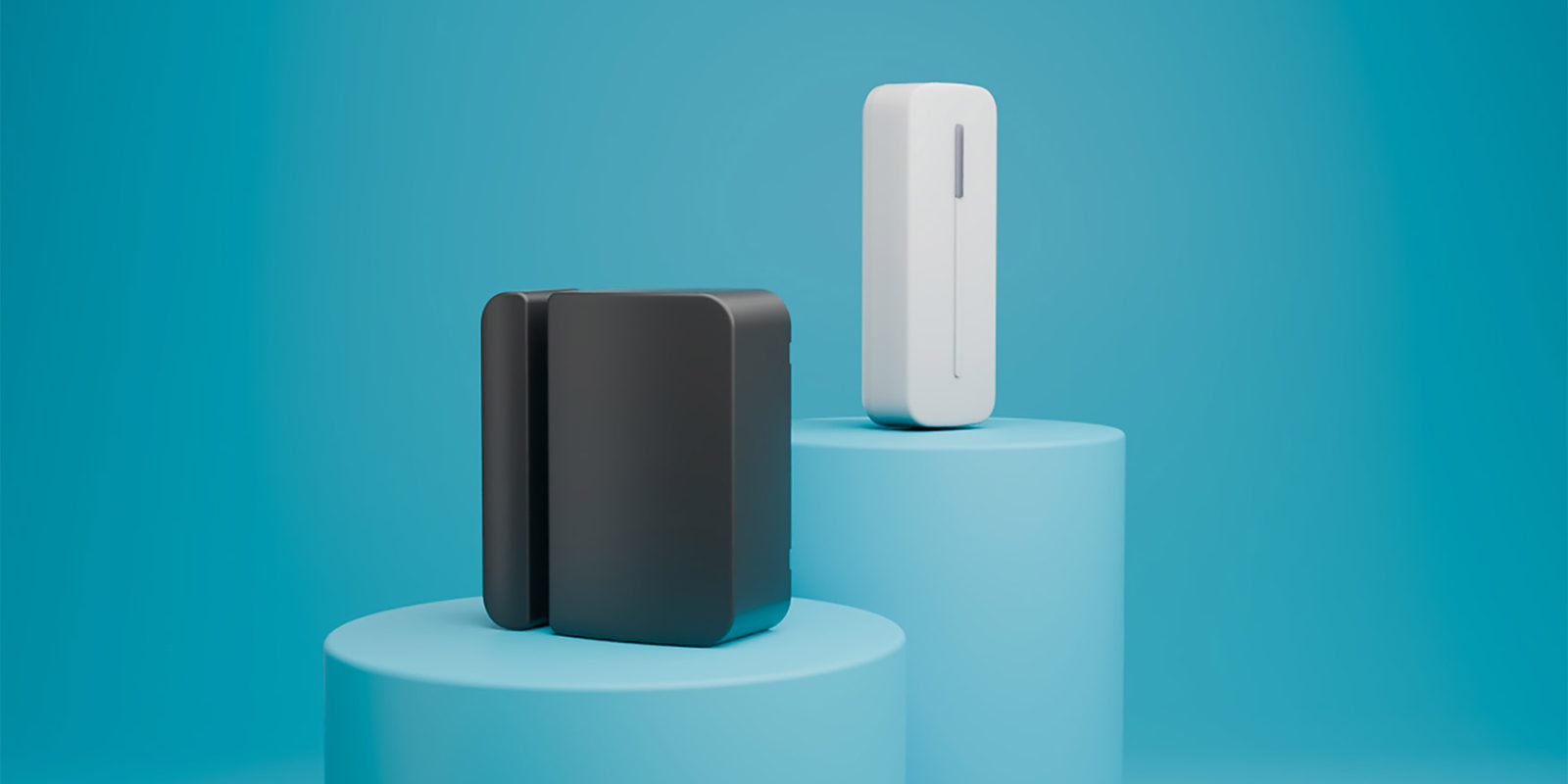
According to technical specifications released by Abode, the sensor is capable of detecting motion by sensing when a surface changes its orientation by more than 45 degrees from its resting position. This functionality makes it an ideal solution for up-and-over-style garage doors, which do not always offer the clean, flush surfaces required for traditional magnetic contact sensors. Beyond the garage, Abode suggests the sensor is equally effective for attic hatch doors, basement tilt windows, and any hinged panel that swings open at an angle.
One of the most significant hurdles for DIY security enthusiasts is the "maintenance fatigue" associated with frequently changing batteries in a dozen different sensors. Abode has addressed this by engineering the Garage Tilt Sensor for extreme longevity, boasting a battery life of up to 10 years under normal operating conditions. This "set it and forget it" approach ensures that critical entry points remain protected without the need for constant oversight. When the sensor is triggered—such as when a garage door begins its upward travel—the user receives an immediate notification through the Abode app or their smart home platform of choice.
Ruggedized Protection for the Perimeter
Complementing the tilt sensor is the new Abode Outdoor Contact Sensor. While it functions similarly to a standard door and window sensor, it has been redesigned from the ground up to withstand the elements and the physical unpredictability of outdoor installations. The device carries an IP66 rating, which signifies that it is "dust-tight" and protected against powerful jets of water, ensuring it continues to operate during heavy rainstorms or snow.
Outdoor environments pose unique challenges for magnetic sensors. Metal gates can expand and contract with temperature changes, and wind can cause gates to rattle or shift, often leading to the "false alarms" that plague indoor sensors when they are repurposed for outdoor use. Abode has mitigated these issues by equipping the Outdoor Contact Sensor with a significantly stronger magnet and a wider activation gap. This extra tolerance allows the sensor to remain "closed" even if the gate or door shifts slightly in the wind, while still providing a reliable "open" signal when the entry point is actually breached.
The Outdoor Contact Sensor is specifically marketed for use on metal gates, detached sheds, storage units, mailboxes, and detached garages. Because these structures are often located at a distance from the main home, connectivity is a primary concern. Abode states that under optimal conditions, both of these new sensors can maintain a stable connection with the Abode hub at distances of up to 500 feet. To ensure a smooth user experience, the company’s setup instructions include a range-testing phase, allowing homeowners to verify signal strength before permanently mounting the hardware to a distant fence or shed.
The Strategic Vision of Perimeter Security
The launch of these sensors reflects a broader shift in how Abode views the "protected space" of a modern residence. Chris Carney, CEO and Founder of Abode, emphasized that traditional security often focuses too heavily on the interior, ignoring the pathways that intruders actually use.

“Break-ins usually don’t start at the front door,” Carney remarked during the announcement. “Unlocked side gates or garages present vulnerable access points often left unmonitored by homeowners. We built these sensors because the perimeter of a home deserves the same protection as the inside of it.”
By expanding into these specialized categories, Abode is attempting to capture a segment of the market that feels underserved by "one-size-fits-all" security kits. The ability to monitor a mailbox for mail theft or a shed containing expensive tools adds a layer of utility that transcends basic burglary protection.
Furthermore, the integration with Apple Home is a key differentiator. While many security companies offer their own apps, the ability to see a garage door status or a gate opening directly within the Apple Home app—and to use those events to trigger HomeKit-enabled lights or cameras—is a high-value feature for users invested in the Apple ecosystem. This interoperability ensures that the Abode system functions as a cohesive part of a larger smart home strategy rather than a siloed security tool.
Pricing and Availability
Abode has positioned these sensors to be accessible for homeowners looking to expand their existing systems incrementally. The Garage Tilt Sensor is entering the market with a suggested retail price of $34.99. Given its 10-year battery life and specialized application, it represents a cost-effective upgrade for those with attached or detached garages.
The Outdoor Contact Sensor, reflecting its more ruggedized construction and enhanced magnetic range, is priced at a suggested retail of $49.99. Both products are available through Abode’s website and are expected to be available through major retailers shortly.
As the smart home market matures, the demand for specialized, durable, and highly integrated sensors is expected to grow. With today’s announcement, Abode is betting that homeowners are ready to move beyond the front door and secure the entirety of their property, from the back fence to the attic hatch. By combining long-range wireless technology with weather-resistant hardware and deep software integration, Abode is making a strong case for why the perimeter should no longer be the "forgotten zone" of home security.
 Smart Home & IoT Solutions
SwitchBot Unveils Lock Vision Series Featuring 3D Facial Recognition and Native Matter Integration
In the rapidly evolving landscape of smart home security, the transition toward...
 Smart Home & IoT Solutions
Apple Gates Advanced AI Home Security Features Behind Premium 2TB iCloud Subscription
As the technology industry continues its aggressive pivot toward artificial intelligence, the...
 Smart Home & IoT Solutions
Philips Hue Enhances Smart Home Ecosystem with Launch of SpatialAware and New Video Doorbell Features
The landscape of smart home lighting has undergone a significant transformation today...







