
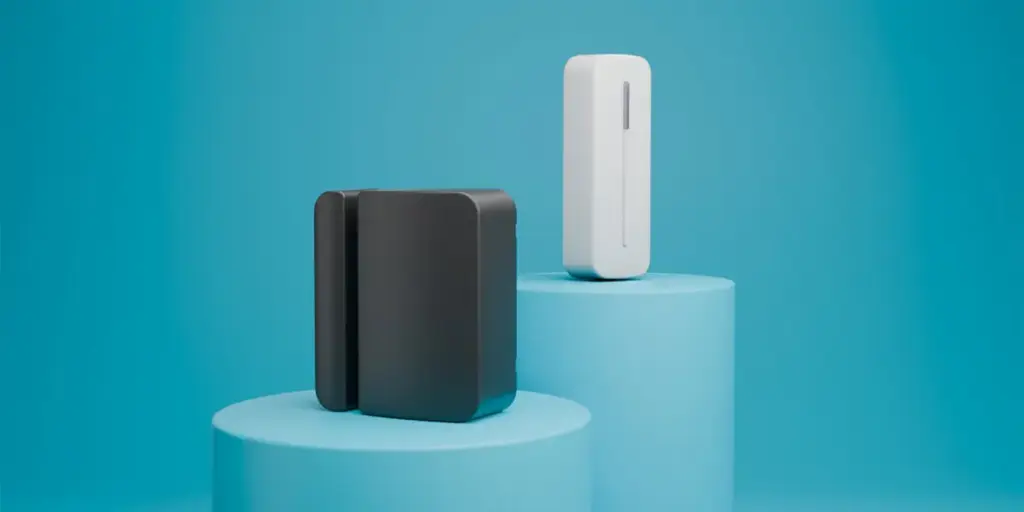
In the rapidly evolving landscape of do-it-yourself home security, the focus has historically remained anchored within the four walls of the residence. However, as homeowners increasingly seek comprehensive coverage that extends to the very edges of their property, the demand for ruggedized, long-range hardware has grown. Addressing this shift, Abode, a prominent player in the DIY smart home security market, has announced a strategic expansion of its hardware ecosystem. The company today unveiled two new specialized sensors—the Garage Tilt Sensor and the Outdoor Contact Sensor—both of which are designed to bring the perimeter of the home under the same level of scrutiny as the interior.
These new additions are specifically engineered to integrate seamlessly with Apple Home, offering a native experience for users within the iOS and macOS ecosystems. By prioritizing compatibility with Apple’s smart home platform, as well as maintaining support for Amazon Alexa and Google Assistant, Abode continues to position itself as a versatile hub for users who demand cross-platform flexibility. The launch signals a concerted effort by the company to eliminate "blind spots" in traditional security setups, targeting vulnerable entry points like detached sheds, side gates, and overhead garage doors that are often neglected by standard indoor-rated equipment.
Abode announces two Apple Home-compatible sensors
The introduction of the Garage Tilt Sensor and the Outdoor Contact Sensor represents a technical response to the environmental challenges that typically plague DIY security installations. Standard contact sensors, which rely on magnets to determine if a door or window is closed, often struggle when exposed to the elements or when placed on heavy, vibrating machinery like a garage door opener. Abode’s new offerings are purpose-built to overcome these hurdles, utilizing specialized sensing technology and weather-resistant housing to ensure reliability in diverse climates and configurations.
Central to the utility of these sensors is their integration with Abode’s CUE smart home automation engine. While the sensors function as traditional triggers for alarms and notifications, their true value is unlocked through personalized automation. According to the company, the CUE engine allows homeowners to bridge the gap between security and convenience. For instance, a user can program a "Welcome Home" sequence where driveway lights activate the moment an entry gate is opened after sunset. Conversely, the system can act as a fail-safe for human error; if a garage door is detected as being open for more than ten minutes during late-night hours, the CUE engine can automatically trigger the door to close or send a high-priority alert to the user’s smartphone.
The Garage Tilt Sensor is a specialized piece of hardware designed to solve the unique mounting problems associated with overhead doors. Traditional contact sensors require a precise, close-proximity alignment between a magnet and a sensor. On a garage door, which may rattle in the wind or shift slightly on its tracks, this alignment can be difficult to maintain, leading to frequent false alarms or "sensor offline" errors.
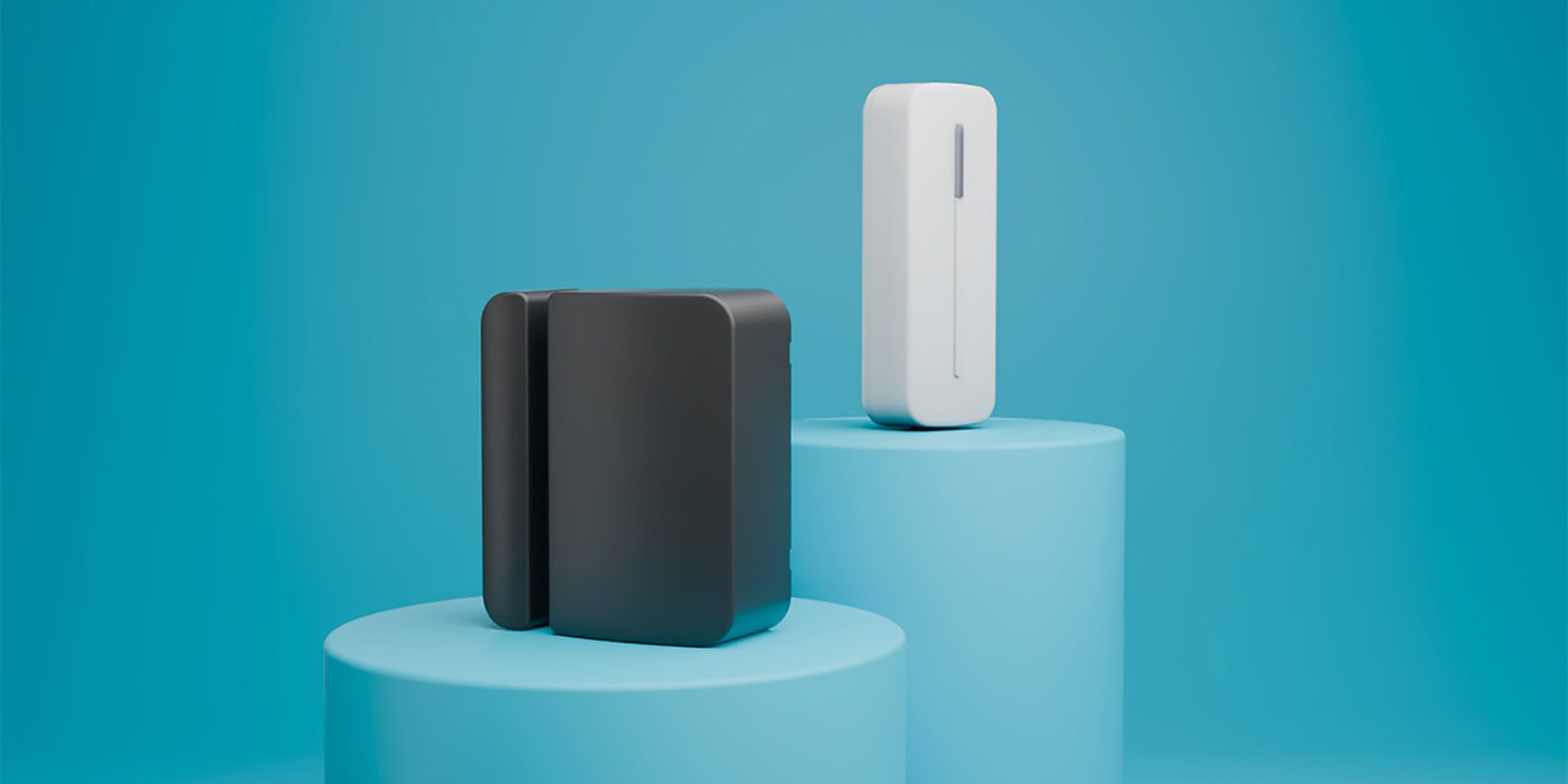
Abode’s solution is a wireless sensor that ignores magnets entirely in favor of orientation sensing. The device detects motion by monitoring when a surface changes its angle by more than 45 degrees from its resting position. This makes it a versatile tool not just for standard "up-and-over" garage doors, but also for more unconventional entry points. Abode suggests the sensor is ideal for attic hatch doors, basement tilt windows, and any hinged panel that swings open at an angle.
Longevity is a primary feature of the Garage Tilt Sensor, with Abode claiming a battery life of up to 10 years. This decade-long lifespan is particularly important for devices mounted in areas like garages or attics, where maintenance is often overlooked. When the sensor detects a change in orientation—such as the beginning of a garage door’s opening cycle—it transmits an immediate alert to the Abode app, allowing the homeowner to monitor the status of their largest entry point in real-time.
While the Tilt Sensor handles orientation, the new Outdoor Contact Sensor is designed for more traditional "open/close" monitoring in harsh environments. This device is purpose-built for the rigors of the outdoors, carrying an IP66 rating. In the world of hardware engineering, an IP66 rating signifies that the device is "dust-tight" and protected against powerful jets of water. This ensures that the sensor can survive heavy rain, snow, and wind-driven debris without internal corrosion or electrical failure.
The Outdoor Contact Sensor is specifically intended for use on metal gates, detached sheds, storage units, mailboxes, and detached garages. One of the most significant challenges with using standard sensors outdoors is the phenomenon of "false positives" caused by wind or thermal expansion. To combat this, Abode has equipped the Outdoor Contact Sensor with a significantly stronger magnet and a wider activation gap. This design choice allows for a certain degree of movement or "play" in a gate or door—common in outdoor wooden or metal structures—without triggering a false intrusion alert. When a genuine breach occurs, the mid-size sensor notifies the user through the Abode app, facilitating a rapid response to unexpected activity on the property.
Connectivity is often the Achilles’ heel of outdoor smart home devices, as radio signals must frequently pass through thick exterior walls, brick, or stone to reach the central hub. Abode has addressed this by optimizing the wireless range of these new sensors. Under what the company describes as "optimal conditions," the sensors can maintain a stable connection with the Abode hub at distances of up to 500 feet. To ensure a successful DIY installation, Abode provides a setup guide that encourages users to test the signal strength and range at the specific mounting location before permanently attaching the hardware. This proactive approach to installation helps mitigate the common frustration of "ghost" sensors that intermittently drop off the network.
The philosophy behind these new products is rooted in a "perimeter-first" approach to home protection. Chris Carney, the CEO and Founder of Abode, emphasized that modern home security must evolve beyond the front door. He noted that break-ins rarely begin at the most obvious entry point. Instead, intruders often seek out unlocked side gates or detached structures like garages and sheds—areas that are frequently left unmonitored because traditional sensors are either too fragile for the environment or too far from the home’s central hub to stay connected.

"We built these sensors because the perimeter of a home deserves the same protection as the inside of it," Carney stated during the announcement. By extending the reach of the Abode system to the very edges of a property, the company aims to provide a "early warning" system. Detecting an intruder at a back gate or a detached garage provides a homeowner with valuable seconds or minutes of advance notice before a primary residence is ever breached.
The integration with Apple Home further enhances this protective layer. For users who have invested in the Apple ecosystem, the new sensors appear natively within the Home app. This allows for cross-brand automations, such as having HomeKit-enabled outdoor floodlights from a different manufacturer turn on when the Abode Outdoor Contact Sensor detects a gate opening. It also allows users to check the status of their garage or shed via Siri voice commands on an iPhone, Apple Watch, or HomePod, adding a layer of accessibility that is central to the modern smart home experience.
From a pricing perspective, Abode has positioned these sensors to be accessible for homeowners looking to scale their systems incrementally. The Garage Tilt Sensor is launched with a suggested retail price of $34.99, reflecting its specialized but essential role in garage security. The Outdoor Contact Sensor, with its ruggedized IP66 housing and enhanced magnet system, carries a suggested retail price of $49.99.
These releases come at a time when the DIY security market is becoming increasingly competitive, with consumers moving away from restrictive, long-term contracts in favor of modular systems they can manage themselves. By focusing on high-durability hardware and deep integration with major smart home platforms like Apple Home, Abode is attempting to bridge the gap between professional-grade security hardware and the ease of use expected by the modern consumer. The addition of the Garage Tilt Sensor and the Outdoor Contact Sensor effectively rounds out the company’s portfolio, ensuring that from the mailbox to the attic hatch, every potential point of entry can be brought under a single, unified security umbrella.
 Smart Home & IoT Solutions
Apple Set to Revolutionize Smart Home Interaction with Exclusive ‘Proximity Control’ Feature for LG-Partnered Accessories
As Apple prepares for its highly anticipated "Welcome Home" special event scheduled...
 Smart Home & IoT Solutions
Why the Apple Home Collection Could Finally Bring the Smart Home to the Mainstream
In the fast-paced world of consumer electronics, it is often easy for...
 Smart Home & IoT Solutions
Apple Intelligence in the Home: New AI Security Features Require Top-Tier iCloud+ Subscription
As the development cycle for Apple’s upcoming software ecosystem continues, the release...







