
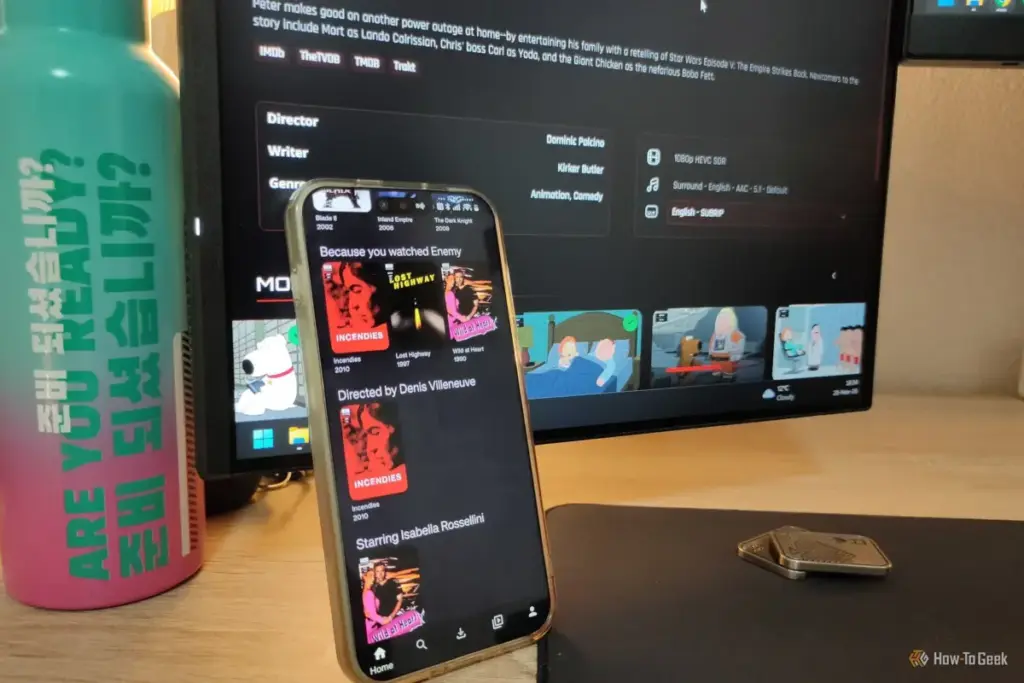
The promise of the early streaming era was one of unprecedented convenience and infinite choice. For a single monthly fee, consumers were told they could access a vast library of cinematic history and television culture from any device, anywhere in the world. However, as the industry has matured into a fragmented landscape of competing platforms, rising subscription costs, and disappearing content, that promise has begun to feel increasingly hollow. In response, a growing number of tech-savvy viewers are turning away from the giants like Netflix, Disney+, and Max, opting instead to build their own private streaming services.
By leveraging open-source software and personal hardware, these individuals are reclaiming a sense of digital ownership that has been largely eroded by the "platformization" of media. For many, the transition is born out of a specific frustration: the realization that paying for access is not the same as owning the content. When a show can vanish overnight due to a licensing dispute or a corporate tax write-off, the value proposition of a traditional streaming subscription begins to crumble.
The Fragility of the Modern Streaming Catalog
The most significant driver behind the shift toward self-hosting is the inherent instability of digital libraries. Whether it is Netflix, Disney+, or HBO Max, no platform is immune to the sudden removal of content. These services typically operate on a licensing model; they pay for the right to host a show for a specific window of time. When those agreements expire, the platform must decide if the cost of renewal is justified by the show’s current viewership metrics. If the numbers don’t add up, the show simply disappears.
In other instances, the removal of content is a strategic move by parent companies. A prominent example of this occurred when Marvel series such as Jessica Jones and Daredevil—which were originally produced for and marketed as Netflix originals—were pulled from the platform. Once the licensing deals concluded, Disney reclaimed the rights to consolidate the Marvel brand on its own service, Disney+. While this makes sense from a corporate synergy perspective, it creates a jarring experience for the consumer, who may find themselves halfway through a multi-season narrative only to be told they must subscribe to a entirely different service to see how it ends.
Even more frustrating is the practice of "geoblocking," where content availability is dictated by the user’s physical location. This is often the result of complex international distribution deals. For example, while Netflix hosts the prestigious Studio Ghibli catalog in many regions across the globe, it remains conspicuously absent for subscribers in the United States and Japan due to pre-existing domestic rights agreements. For a viewer who built a watchlist based on these titles, the sudden realization that their access is restricted by a digital border is a reminder of the limitations of the current streaming model.
By running a personal server using software like Jellyfin, users are able to bypass these regional and contractual hurdles entirely. Once a movie or television show is stored on a personal hard drive, it becomes a permanent fixture of the library. It cannot be deleted by a studio executive, it cannot be hidden behind a geographic filter, and it remains accessible regardless of whether a platform decides a show was "popular enough" to keep on its servers.
Solving the Problem of Platform Fragmentation
 Tech Tutorials & How-To Guides
Netflix Expands October Streaming Slate with Major Returns for ‘The Diplomat,’ ‘Love Is Blind,’ and ‘Solar Opposites’
As the calendar turns toward the final stretch of October, the streaming...
 Tech Tutorials & How-To Guides
Essential Ryobi 18V ONE+ Tools Under $80 for New Homeowners and DIY Enthusiasts
The landscape of home improvement has shifted significantly over the last decade,...
 Tech Tutorials & How-To Guides
Garmin’s vívoactive 5 Hits Record Low Price in Significant Amazon Discount Event
In a move that signals aggressive pricing within the wearable technology sector,...







