
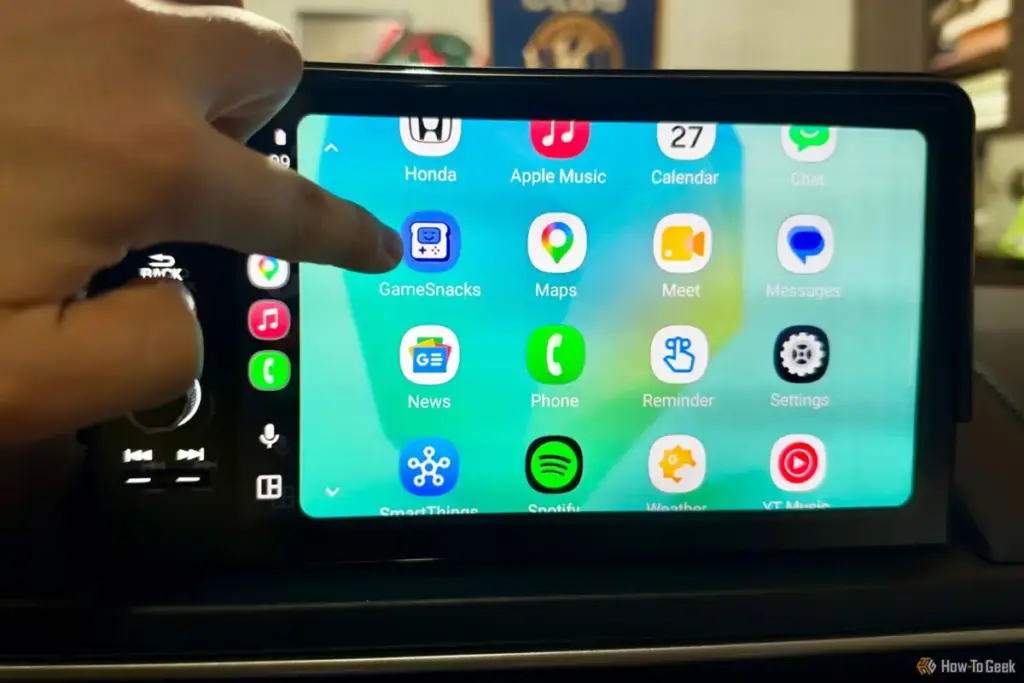
In the rapidly evolving landscape of automotive technology, Apple CarPlay and Android Auto have become the gold standards for in-car connectivity. They offer a seamless bridge between our smartphones and our vehicles, prioritizing safety while providing access to essential navigation, communication, and entertainment apps. However, for many power users of the world’s largest video platform, there remains a glaring omission in the dashboard interface. It might sound unhinged to suggest that a video-centric platform belongs on a car’s head unit, but the one CarPlay and Android Auto app that feels increasingly essential is YouTube.
To be clear, this is not a call for the ability to watch high-definition video while navigating rush-hour traffic. Distracted driving is a global crisis, and the restrictions placed on video playback by Apple and Google are both logical and necessary. Yet, for a significant portion of the user base, YouTube has transcended its original purpose as a visual medium. For many, it has become a primary source of long-form audio content, and the current lack of a dedicated, safe interface for the car is a growing point of friction.
This Isn’t About Watching Videos While Driving
The primary hurdle in advocating for YouTube in the car is the immediate association with visual distraction. However, modern consumption habits tell a different story. For many users, the "watching" part of YouTube is often secondary to the "listening."
Estimates of engagement suggest that for a vast number of videos, users are looking at the screen for less than half of the duration. In many scenarios, the phone is placed face-down on a desk, tucked in a pocket with headphones on, or, in the case of many drivers, sitting in a cup holder while the audio plays through the car’s speakers. There are, of course, channels that demand visual attention—those heavy on graphics, cinematography, or complex tutorials. But a massive segment of the platform is now occupied by content that functions perfectly well as an audio-only experience.
The Shift Toward an Audio-First Ecosystem
The transformation of YouTube into a dominant audio platform is not accidental; it is a shift supported by data and industry trends. By 2025, YouTube had solidified its position as the largest podcast platform in the world, claiming over one billion monthly podcast viewers. This shift has fundamentally altered how content is produced. Even creators who began in the traditional RSS-feed podcasting world have migrated to YouTube, setting up makeshift studios with cameras to capture their conversations.
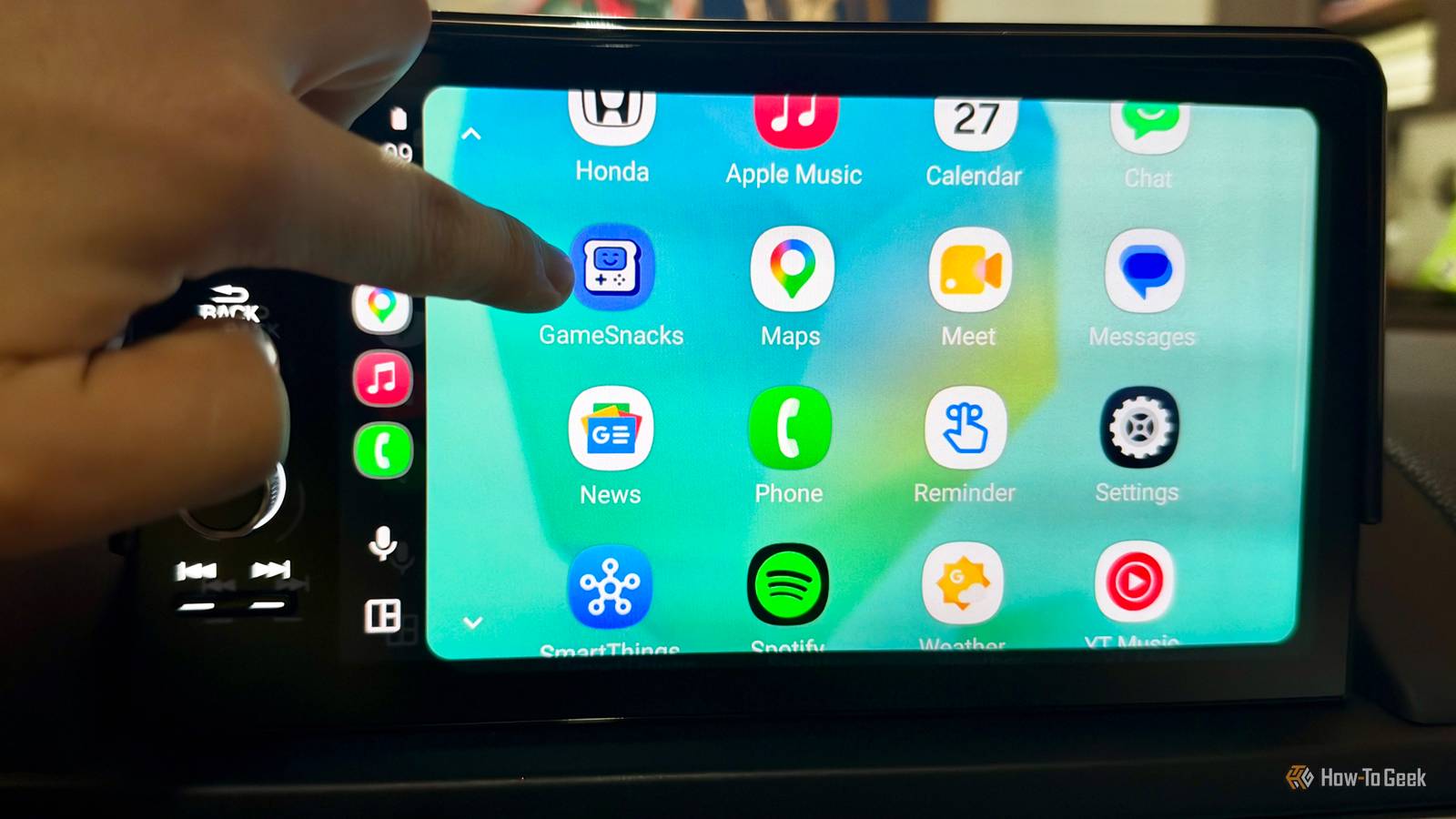
While these creators are technically producing video, the core value remains the dialogue. It is now common to hear hosts address "those listening to the audio feed," acknowledging that a significant portion of their audience is not tethered to a screen. These are, for all intents and purposes, audio experiences. They are conversations, interviews, and debates that are ideally suited for the environment of a car, where the driver’s eyes must remain on the road but their ears are open for engagement.
Furthermore, the rise of the "video essay" has created a new genre of high-quality, long-form narration. These creators, often supported by dedicated fanbases on platforms like Patreon, produce deep-dive explorations into history, philosophy, technology, and pop culture. These videos are often 30, 60, or even 90 minutes long—perfect for a long commute or a weekend road trip. While they are visually polished, the narrative arc is carried by the script and the voiceover. They are the modern equivalent of a radio documentary or a non-fiction audiobook, yet they remain locked behind an interface that is not optimized for the road.
 Tech Tutorials & How-To Guides
Beyond the Cloud: Why a Shift to Offline Password Management Is Becoming a Necessity for the Security-Conscious
In the modern digital landscape, the password manager has transitioned from a...
 Tech Tutorials & How-To Guides
Google Pixel Watch 5 Sees Significant Price Cut as Amazon Offers $100 Discount on Latest Flagship Wearable
The landscape of Android wearables has long been a battlefield of compromise,...
 Tech Tutorials & How-To Guides
The Intersection of Innovation and Literature: How 3D Printing is Transforming the Modern Reading Experience
In an era dominated by digital screens and rapid-fire content, the enduring...







