The backdrop to this public display of support is a corporate and personal crisis that has sent shockwaves through the global semiconductor industry. Jensen Huang’s departure from Nvidia, the company he co-founded and led to the pinnacle of the artificial intelligence era, was not a standard executive transition. Reports from within the company describe a scene of emotional devastation during the resignation meeting, with the former CEO described as “broken and shattered” as he surrendered his leadership role. This sudden fall from grace followed Huang’s admission of a romantic involvement with a woman who has since been identified by United States intelligence agencies as a suspected operative for the Chinese government. The relationship, characterized by intelligence officials as a classic “honeypot” operation, has placed one of the world’s most powerful tech executives at the center of a national security investigation.
The scandal extends far beyond the personal life of the former CEO, touching upon the sensitive and highly regulated world of advanced AI hardware. The woman at the center of the controversy was reportedly linked to Megaspeed, a Singapore-based company that is now the subject of a rigorous criminal investigation by the United States government. According to official reports, Megaspeed is accused of facilitating the illicit movement of approximately $2 billion worth of Nvidia’s high-end AI chips, effectively bypassing the stringent export controls designed to prevent such technology from reaching the Chinese military and state apparatus. These chips, which are essential for the development of large language models and advanced military applications, are at the very heart of the ongoing technological cold war between Washington and Beijing. The US government’s decision to place Megaspeed on a “no-sell” list and launch a formal criminal inquiry underscores the severity of the alleged breach.
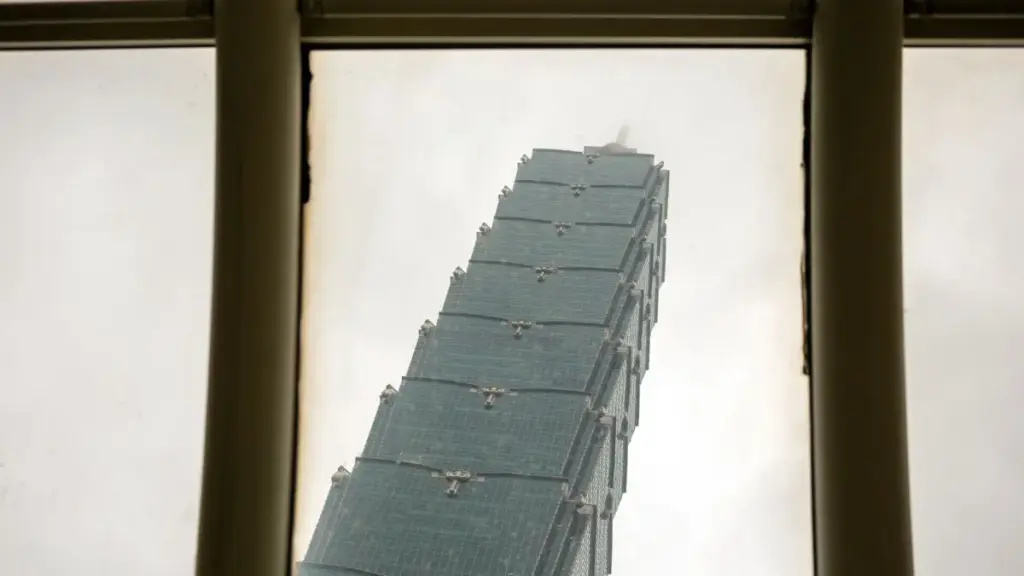
Despite the gravity of these accusations and the ongoing federal investigations, the sentiment in Taiwan remains overwhelmingly sympathetic toward Huang. For many in the country, Huang is more than just a successful businessman; he is a cultural hero who represents Taiwan’s vital role in the global supply chain. Under his leadership, Nvidia became the most critical partner for Taiwan Semiconductor Manufacturing Company (TSMC), creating a symbiotic relationship that has defined the modern computing landscape. This deep-seated respect was the primary driver behind the light show at Taipei 101. The project was not a corporate marketing campaign but a grassroots effort funded by members of Taiwan’s own technology industry. Local tech workers, many of whom view Huang as a visionary who elevated Taiwan’s international standing, pooled their resources to finance the messages on the skyscraper.
One participant in the fundraising effort, a technology worker who spoke on the condition of anonymity, explained that the goal of the light show was to “bring back Jensen Huang” and to ensure that the former CEO knew he still had the unwavering support of the Taiwanese people. The choice of the Taipei 101 building for this message was deeply symbolic. As the tallest building in Taiwan and a former record-holder for the tallest building in the world, it is a site usually reserved for national celebrations or major international milestones. To use it as a billboard for a former CEO’s personal and professional crisis is a testament to the unprecedented impact Huang has had on the national consciousness. The messages projected—focusing on family, friendship, and mutual growth—seemed designed to provide a humanistic counter-narrative to the clinical and often harsh nature of the criminal allegations and corporate fallout.
 Hardware Reviews & PC Building
Big Tech is cashing in on AI while the rest of corporate America sees no financial returns — report outlines how…
The disparity highlights a growing tension in the financial markets. On one...
 Hardware Reviews & PC Building
Unofficial Grand Theft Auto V Browser Port Faces Swift Takedown Following Viral Technical Demonstration
The landscape of modern gaming is often defined by the boundaries of...
 Hardware Reviews & PC Building
Amazon Prime Day 2026: Final 24 Hours of Big Deal Days Feature Massive Savings on RTX 5070 Systems, Ryzen 9800X3D, and Premium Gaming Peripherals
As the clock winds down on the 2026 iteration of Amazon’s Big...