
In a significant move for the high-end smartphone market, Samsung’s latest flagship foldable, the Galaxy Z Fold 8, has received its first substantial price reduction. Currently listed on Amazon, the 512GB model of the redesigned device is available for $1,800, marking a $300 discount from its original $2,100 launch price. This 14% price cut represents a pivotal moment for the device, positioning it as a more aggressive competitor against other premium foldables, including the iPhone Duo, and making the cutting-edge technology more accessible to a broader range of power users and early adopters.
The price adjustment comes at a time when the foldable market is reaching a new level of maturity. While early generations of the Fold series were often viewed as experimental luxury items, the Galaxy Z Fold 8 has been positioned by Samsung as a refined, daily-driver replacement for both a traditional smartphone and a compact tablet. By bringing the price point down to $1,800, Samsung is narrowing the gap between its experimental form factors and traditional flagship "pro" phones, signaling a confidence in the device’s ability to capture mainstream interest.
A Radical Shift in Design Philosophy
The Galaxy Z Fold 8 is not merely an incremental update; it represents the most significant design overhaul in the history of Samsung’s foldable lineup. For years, the primary criticism of the Galaxy Fold series was its "remote control" aesthetic—a tall, narrow cover screen that often felt cramped for typing and traditional app usage. With the Z Fold 8, Samsung has officially moved away from that legacy, opting for a wide-format, book-style architecture.
This new "passport-like" shape fundamentally changes the ergonomics of the device. The external dimensions are shorter and wider, which allows the cover screen to function like a standard smartphone display. This shift ensures that users no longer feel the immediate need to unfold the device for simple tasks like replying to a text message or checking a map. The wider aspect ratio provides a more natural thumb reach across the keyboard, significantly improving the one-handed usability that was often a pain point in previous iterations.

Despite the change in width, Samsung has managed to make the Z Fold 8 the lightest foldable it has ever produced. The engineering feat involved re-evaluating every internal component to shed weight without sacrificing structural integrity. The result is a device that feels substantially more pocketable than its predecessors, fitting comfortably into standard pockets despite its dual-screen nature.
Display Innovation and the Quest for the Invisible Crease
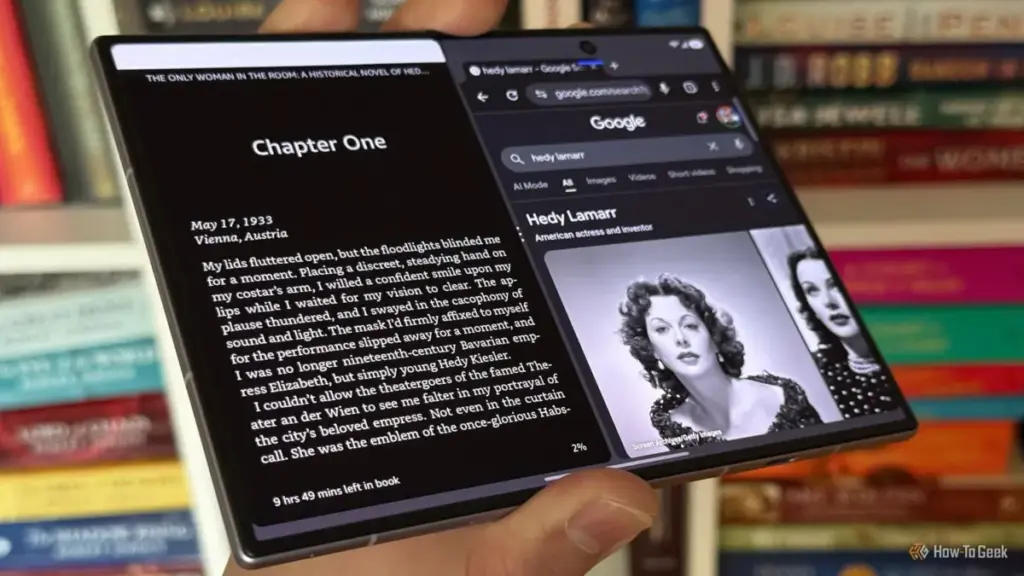
When unfolded, the Galaxy Z Fold 8 reveals a 7.6-inch main display that utilizes a 4:3 aspect ratio. This specific ratio is a departure from the more elongated screens of the past and is designed to mimic the feel of a traditional tablet. The 4:3 canvas is particularly effective at reducing the "letterboxing" effect—those black bars at the top and bottom of the screen—when viewing modern streaming content or multitasking with side-by-side apps.
 Tech Tutorials & How-To Guides
Classic Emotional Cinema: Four Heart-Wrenching Masterpieces Currently Streaming on Netflix
The power of cinema often lies in its ability to transcend the...
 Tech Tutorials & How-To Guides
The Rise of the "Travel Binge": Why Limited Series Are Becoming the Preferred Companion for the Modern Traveler
The modern travel experience has undergone a quiet but significant digital transformation...
 Tech Tutorials & How-To Guides
Essential Ryobi 18V ONE+ Tools Under $80 for New Homeowners and DIY Enthusiasts
The landscape of home improvement has shifted significantly over the last decade,...







