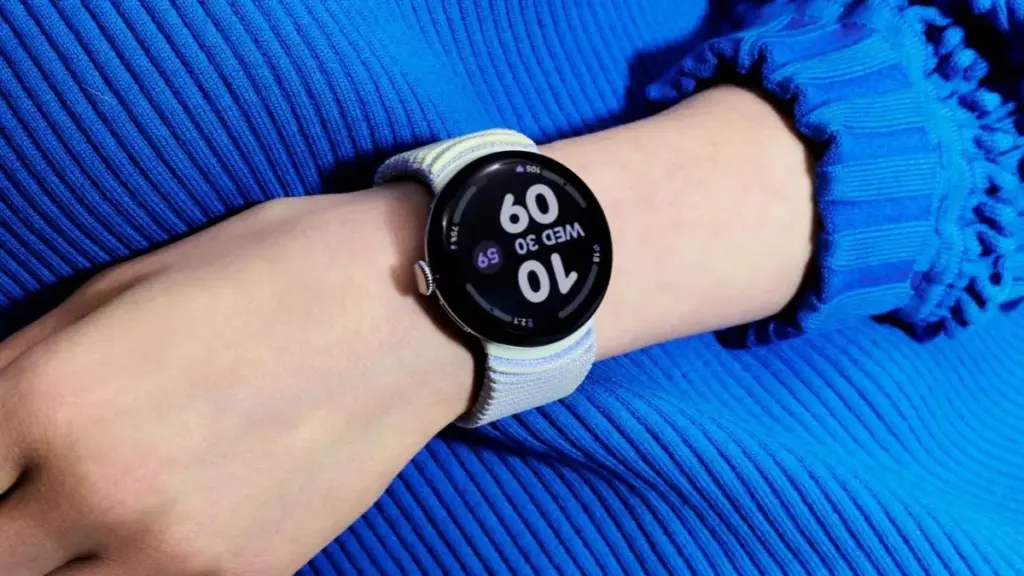
The promise of the modern smartwatch is one of seamless integration, providing a continuous stream of health data, notifications, and connectivity right on the wrist. However, that promise relies entirely on the longevity of the device’s power cell. For many users within the Google ecosystem, that reliability was recently called into question as reports of severe battery depletion began to surface across various generations of the Pixel Watch. After a period of uncertainty for affected users, Google has officially acknowledged the existence of a bug causing this excessive power draw and has confirmed that a solution is currently being deployed to resolve the issue.
The problem, which manifested as a sudden and dramatic decrease in battery life, left many users struggling to get through a single day on a full charge. While the Pixel Watch series has generally been praised for its sleek design and deep integration with Fitbit’s health-tracking suite, battery life has always been a closely watched metric. When a bug disrupts this balance, it transforms a vital piece of wearable technology into a source of frustration. Fortunately, the tech giant has moved to address the situation, clarifying that the fix is not a traditional system-wide firmware update but rather a series of targeted application updates delivered through the Google Play Store.
Understanding the Scope of the Battery Drain Bug
The reports of battery issues were not localized to just one model. Instead, the bug appeared to be agnostic of the specific hardware generation, affecting the original Pixel Watch, the Pixel Watch 2, and the most recent iterations of the device. This suggested that the culprit was not a hardware defect but a software-side anomaly, likely residing within the Wear OS framework or a core background service that handles synchronization and data processing.
Users experiencing the bug reported a stark contrast to their typical usage patterns. In many instances, devices that were previously capable of lasting 24 hours or more were seeing their remaining power plummet to critical levels in as little as 12 hours. This occurred even in scenarios where the watch was being used minimally, suggesting a "vampire" drain—a situation where a background process fails to enter a sleep state and continues to consume processor cycles and radio power unnecessarily.
In a statement addressing the concerns, Google noted that the bug had impacted a "small number of devices." While the company did not provide specific figures, the visibility of the issue on community forums and social media platforms indicated it was significant enough to warrant a swift official response. The company’s diagnostic efforts eventually pointed toward a software conflict that could be resolved by updating the suite of applications that reside on the watch itself.

The Mechanism of the Fix and the Rollout Timeline
Unlike major operating system patches that often require a full system reboot and a lengthy installation process, this particular fix is being distributed through the Google Play Store. This approach allows Google to target specific components of the Wear OS ecosystem—such as Google Play Services, the Fitbit integration modules, or the Pixel Watch companion services—without needing to push a full Over-the-Air (OTA) firmware update.
 Mobile Device Management (MDM) & Mobile OS
Meta Revolutionizes Digital Presence with Hyper-Realistic AI Holograms for WhatsApp and VR
For decades, the concept of the hologram has been a staple of...
 Mobile Device Management (MDM) & Mobile OS
Nothing OS 5.0 Brings Android 17 to Phone 3a and 4a Series with Enhanced Camera Features and AI Tools
The London-based tech disruptor Nothing has officially commenced the next phase of...
 Mobile Device Management (MDM) & Mobile OS
Oura Initiates New Patent Infringement Lawsuit Against Ultrahuman, Targeting Internal Ring Pro Hardware
The competitive landscape of the wearable technology market has shifted once again...