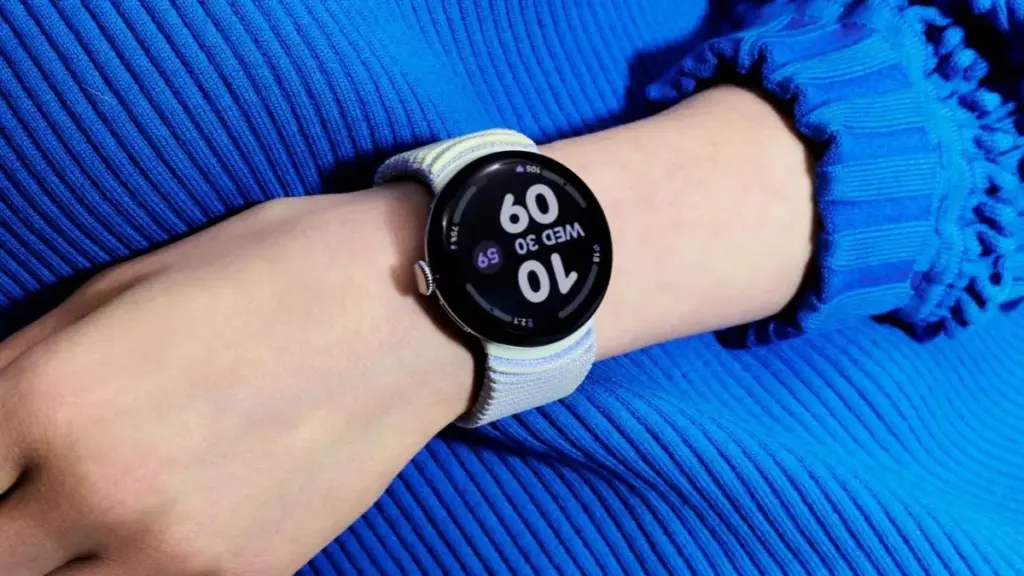
Google has stated that the rollout of these updates has already commenced and is expected to be completed globally over the next few days. For users who have their watches set to update automatically over Wi-Fi while charging, the fix may arrive without any manual intervention. However, for those who wish to ensure their device is protected as soon as possible, Google has provided guidance on how to manually trigger the update process.
To secure the fix, users are encouraged to access the Play Store directly from their Pixel Watch. By navigating to the "Manage apps" section and selecting "Update all," users can force the device to check for the latest versions of all installed software. This ensures that any background services responsible for the battery leak are replaced with the patched versions. Given the staggered nature of Play Store distributions, some users may see the updates immediately, while others may need to check back periodically over a 48-hour window.
Contextualizing the Recent Wave of Pixel Software Challenges
The battery drain issue on the Pixel Watch does not exist in a vacuum. It comes during a period where Google’s broader Pixel hardware lineup has faced a series of highly publicized software hurdles. The complexity of modern software, which must balance performance, security, and power efficiency across a wide array of interconnected devices, occasionally leads to these types of regressions.
Recently, owners of the Pixel 11 Pro flagship smartphones reported significant frustrations with the "Video Boost" feature. This cloud-augmented processing tool, designed to enhance the dynamic range and clarity of recorded footage, reportedly produced nothing but static for some users, rendering the high-end camera feature unusable. Similarly, the Google Photos app—a cornerstone of the Android experience—has faced its own set of stability issues. Users reported that the app would become unresponsive or sluggish when attempting to perform standard photo edits, a core function for a device marketed heavily on its imaging capabilities.
These incidents, alongside the Pixel Watch battery bug, highlight the ongoing challenge Google faces as it seeks to tighten the integration between its hardware and software. As the company moves toward a more vertical integration model—designing its own Tensor chips and maintaining a bespoke version of Android and Wear OS for its own devices—the expectation for a bug-free experience increases. When issues do arise, the speed and transparency of the fix become the primary metrics by which the company’s support ecosystem is judged.
The Critical Importance of Wearable Reliability
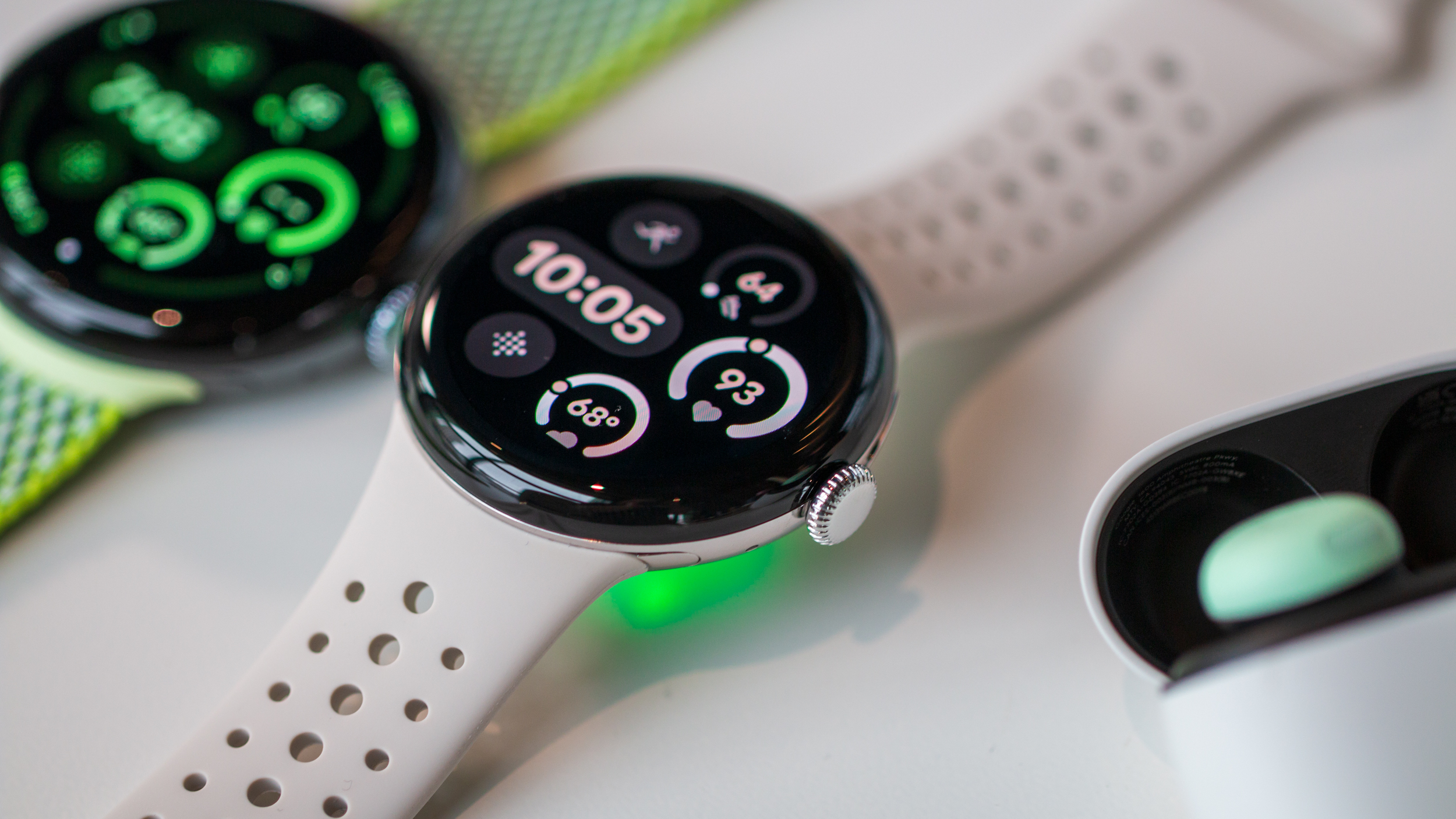
In the competitive landscape of wearables, battery life is often the deciding factor for consumers. Competing directly with the Apple Watch and Samsung’s Galaxy Watch series, the Pixel Watch must prove that it can be a reliable daily companion. For a device that tracks sleep, monitors heart rate variability, and provides emergency SOS features, a dead battery is more than a mere inconvenience; it represents a lapse in the device’s fundamental utility.
 Mobile Device Management (MDM) & Mobile OS
Google Unveils Connected Apps Platform Preview, Bridging the Gap Between Gemini AI and Third-Party Services
In a significant move to transform its artificial intelligence from a conversational...
 Mobile Device Management (MDM) & Mobile OS
Strava Enhances Fitness Ecosystem with Google Gemini Integration for Personalized Training Insights
In a significant move that signals the deepening intersection of wearable technology...
 Mobile Device Management (MDM) & Mobile OS
Google Bridges the Ecosystem Gap as Better Together Features Roll Out to Samsung Galaxy Devices
When Google officially pulled the curtain back on the Googlebook, the tech...