
For decades, the evolution of power tools followed a predictable trajectory: they became smaller, more ergonomic, and eventually transitioned from restrictive power cords to high-capacity lithium-ion batteries. Yet, despite these advancements in portability and raw power, the fundamental nature of the tools remained "dumb." A miter saw, a drill press, or a shop vacuum operates on a simple binary of on or off, requiring the operator to manage every peripheral aspect of the workspace manually.
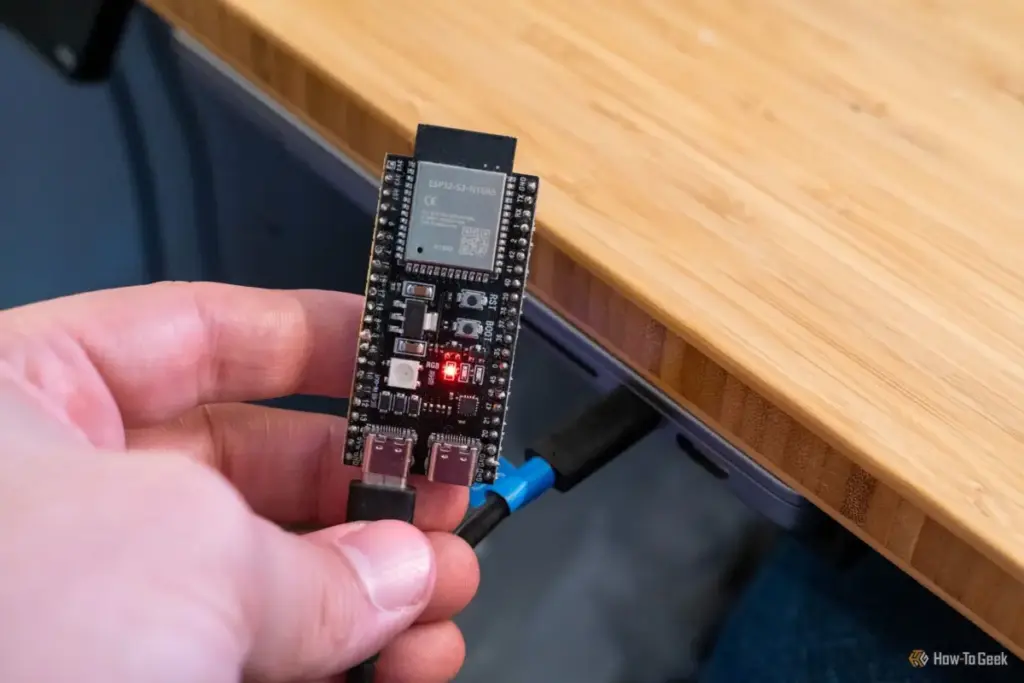
However, a new wave of innovation is emerging from the intersection of traditional craftsmanship and modern electronics. Enterprising DIY enthusiasts and "makers" are increasingly turning to the ESP32—a low-cost, low-power system-on-a-chip (SoC) with integrated Wi-Fi and dual-mode Bluetooth—to bridge the gap between brawn and brains. By embedding these tiny, inexpensive microcontrollers into their equipment, hobbyists are transforming standard garage tools into a sophisticated, interconnected ecosystem that rivals professional-grade industrial setups.
Automating the Workshop Environment
One of the most persistent challenges in any woodworking or metalworking shop is dust management. Fine particulate matter is not merely a nuisance that requires sweeping; it is a significant respiratory hazard and a fire risk. While most enthusiasts own a dust collector or a shop vacuum, the friction of manually activating the vacuum every time a cut is made often leads to "just this once" shortcuts that compromise air quality.
This common frustration led to the development of projects like FoxDotBuild’s DustCollection software. This system leverages the versatility of the ESP32 to create a wireless network of "smart" nodes within the workshop. The architecture is elegantly functional: one ESP32 board acts as a central relay, wired directly to the dust collector’s power supply. This node listens for commands over the local Wi-Fi network.
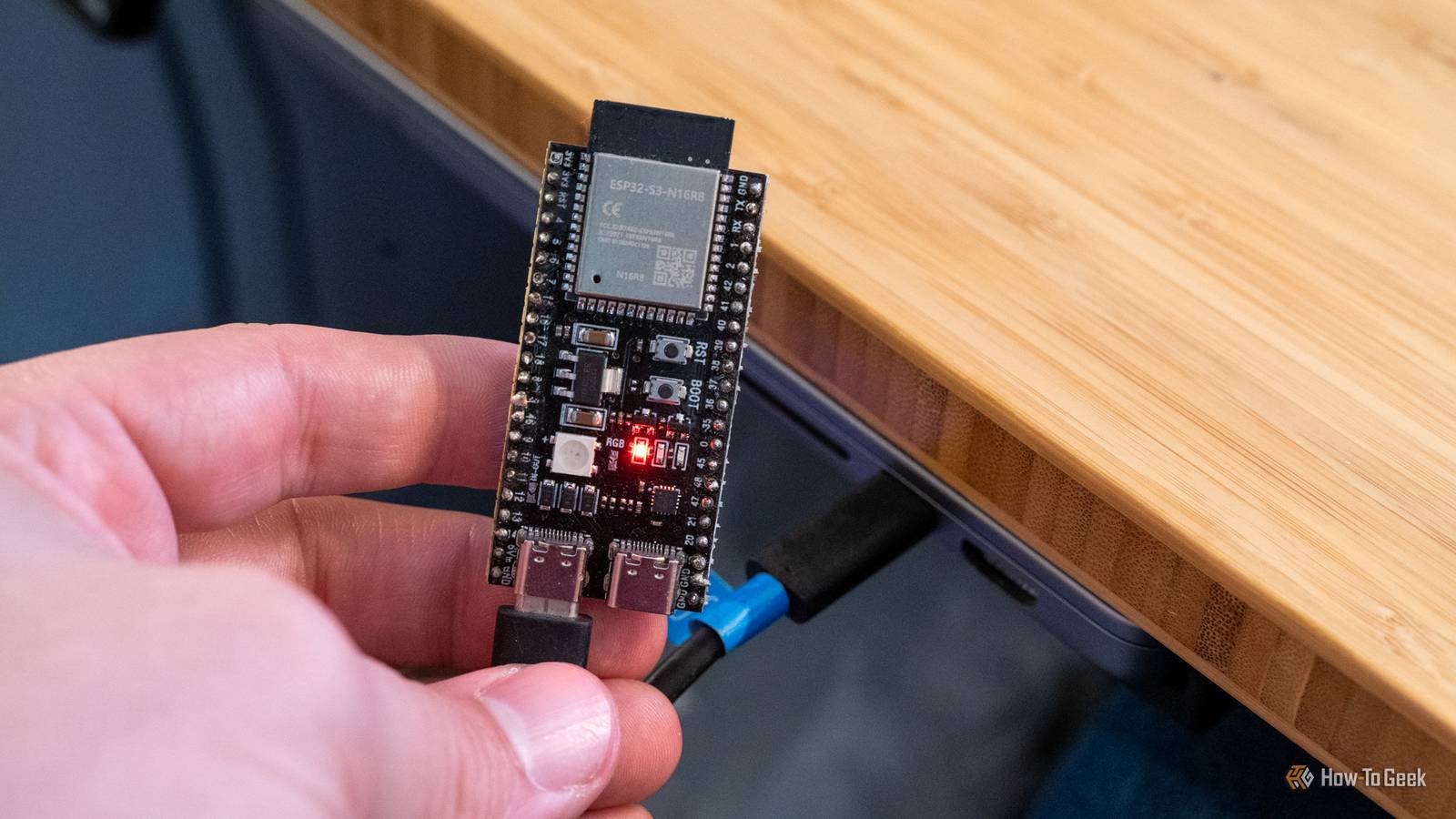
The "intelligence" comes from the peripheral nodes. Using Hall effect sensors—which can detect the electromagnetic field generated when a power tool’s motor draws current—these secondary ESP32 boards can identify exactly when a table saw or sander has been turned on. Once the tool is active, a signal is sent wirelessly to the relay, which fires up the dust collector instantaneously.
Beyond simple power management, these DIY systems are addressing mechanical bottlenecks. In complex workshops with multiple tools connected to a single vacuum via a network of pipes, "blast gates" must be opened or closed to direct suction to the active machine. The FoxDotBuild setup incorporates RC hobby servos to automate these gates. Furthermore, the software includes a sophisticated "clearance delay," keeping the vacuum running for several seconds after the tool stops to ensure that all residual dust is pulled through the conduits.
For those seeking a less complex entry point into workshop automation, projects like nunashop’s "AUTO SHOPVAC" offer a streamlined alternative. By using an ESP32 to monitor current draw and trigger a vacuum, even a basic garage setup can achieve a level of automation that was once reserved for high-end, factory-integrated systems.
 Tech Tutorials & How-To Guides
The One-Cable Desk: Why USB-C Monitors Are Replacing Traditional Docking Stations
For years, the dream of a truly minimalist desk setup was hampered...
 Tech Tutorials & How-To Guides
Beyond the Cloud: Why a Shift to Offline Password Management Is Becoming a Necessity for the Security-Conscious
In the modern digital landscape, the password manager has transitioned from a...
 Tech Tutorials & How-To Guides
The Unseen Ecosystem: Why Samsung’s Most Powerful One UI Features Remain Hidden to Most Users
In the hyper-competitive landscape of global smartphone manufacturing, Samsung Electronics has long...







