
Unlocking the Secrets of Power Tool Batteries
The shift toward cordless technology has been perhaps the most significant change in the tool industry over the last twenty years. For most DIYers, the convenience of battery-powered drills and saws far outweighs the raw, unlimited runtime of corded alternatives. However, this transition has introduced a new layer of opacity. Unlike a smartphone or a modern laptop, which provides detailed health reports and percentage-based remaining life, most power tool batteries communicate via a primitive row of three or four blinking LEDs.
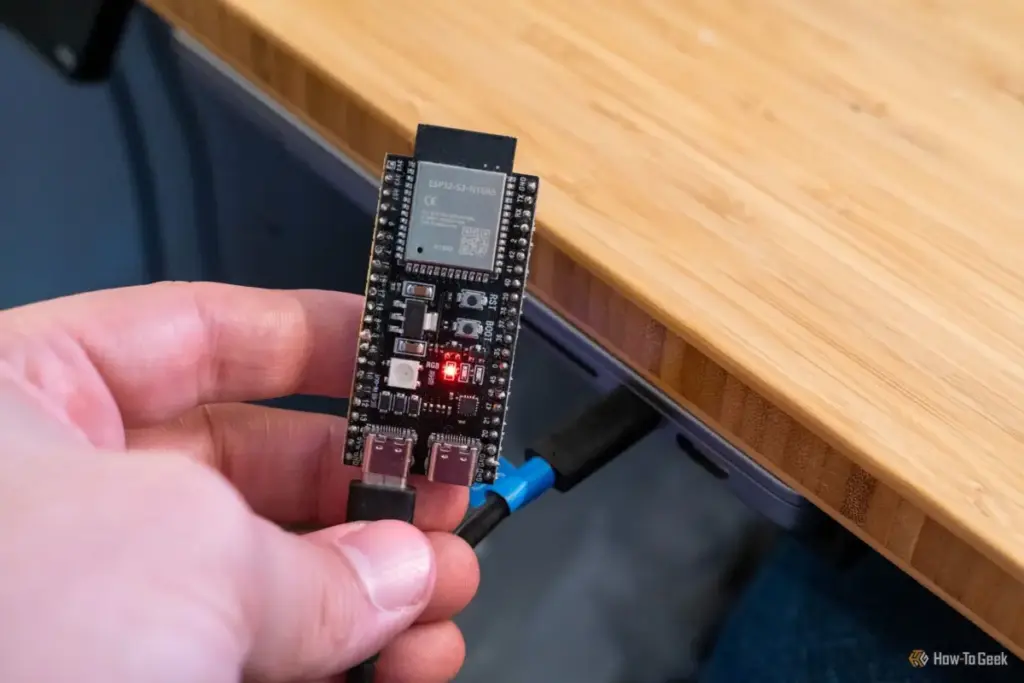
This lack of transparency can be frustrating, especially given the high cost of replacement batteries. This is where the "OBI ESP32" project, combined with the ESP32-C3 variant, provides a breakthrough for users of the popular Makita LXT platform. By interfacing with the battery’s internal communication pins, these DIY diagnostic tools can extract a wealth of data that is usually hidden from the end-user.

Users can view cycle counts, individual cell voltages, and overall health percentages. This information is vital for troubleshooting a battery that seems to be losing its charge or for identifying a single failing cell that might be repairable. While the current focus has been largely on Makita due to its relatively accessible communication protocol, the proof of concept suggests that similar diagnostic tools for other major brands, such as Milwaukee or DeWalt, are likely on the horizon. Although brands like Ryobi have marketed "smart" batteries in the past, the DIY community is now proving that they don’t need to wait for manufacturers to grant them access to their own hardware’s data.
Precision Air Quality and Fume Extraction
While woodworking dust is a visible problem, the fumes generated by soldering, 3D printing, or chemical finishing are often invisible and arguably more insidious. Traditional fume extractors are often loud and are frequently left running longer than necessary or, conversely, forgotten entirely during a quick repair.
A project developed by the "Curious Scientist" demonstrates how the ESP32 can be used to create a "responsive" environment. By integrating an ESP32-C3 with an optical dust sensor and a Volatile Organic Compound (VOC) sensor, they created an automated fume extractor that monitors the air in real-time.
When the sensors detect a spike in particulates or chemical vapors—such as the smoke produced when solder hits a circuit board—the ESP32 automatically activates the extractor fan. If the air quality continues to degrade, the system can ramp up the fan speed. Once the sensors indicate the air has returned to a safe baseline, the system shuts itself down.
This project also highlights the "display" capabilities of the ESP32. By adding a small OLED screen, the user can see real-time data on air quality, turning a piece of safety equipment into a data-rich diagnostic tool. While these DIY sensors are not replacements for laboratory-grade, certified safety equipment, they provide a significant upgrade over the "on-off" guesswork that defines most hobbyist workspaces.
 Tech Tutorials & How-To Guides
Optimizing the Modern Workspace: Quntis Monitor Light Bar Sees Significant Price Drop on Amazon
In an era where the boundary between professional obligations and personal time...
 Tech Tutorials & How-To Guides
Fanttik B11 Pro Max Electric Air Duster Sees Significant Price Drop to $59.99 on Amazon
For tech enthusiasts, PC builders, and office workers alike, the battle against...
 Tech Tutorials & How-To Guides
Windows 11 Search Receives Major Performance Overhaul as Microsoft Finally Addresses Long-Standing User Complaints
For years, the search functionality within Windows has been a point of...







