
In a significant ruling that underscores the protections afforded to generic terms within the global domain name system, a panelist for the World Intellectual Property Organization (WIPO) has denied a complaint involving a popular Indian gambling term and issued a finding of Reverse Domain Name Hijacking (RDNH). The dispute centered on the domain name sattamatkajico.com, with the panelist determining that the complainant had attempted to use the Uniform Domain-Name Dispute-Resolution Policy (UDRP) in bad faith to seize a domain based on a generic description of a common betting game.
The complainant, Rikshiram Aghria, an individual based in India, initiated the proceedings in an attempt to gain control of the domain. In his filing, Aghria cited his ownership of Indian trademark registrations for the marks "SATTA" and "SATTA MATKA." Crucially, these trademarks were registered in a stylized or "device" format rather than as standard character marks, a distinction that would later play a pivotal role in the panel’s assessment of the case.
The respondent in the case, who like the complainant represented themselves without the assistance of outside legal counsel, maintained ownership of the domain sattamatkajico.com. The resulting decision serves as a stark reminder of the limitations of trademark law when applied to terms that are deeply embedded in the common lexicon of a specific culture or industry.
The Origins and Generic Nature of Satta Matka
To understand the crux of the dispute, it is necessary to examine the linguistic and cultural history of the term "Satta Matka." The term refers to a numbers-based gambling and lottery-style game that has been a fixture of Indian society for decades. The roots of the game trace back to the 1950s, shortly after India’s independence, when it was known as "Ankada Jugar." It originally involved betting on the opening and closing rates of cotton as transmitted from the New York Cotton Exchange to the Bombay Cotton Exchange.
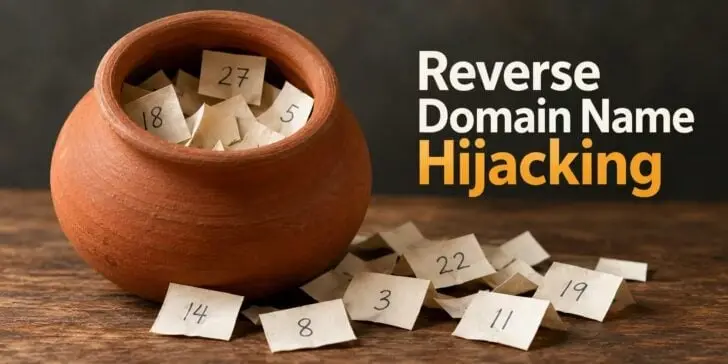
The nomenclature itself is descriptive of the game’s mechanics. As noted by WIPO panelist Shwetasree Majumder in her decision, "satta" is a common Hindi word meaning wagering or betting, while "matka" refers to a traditional earthen pot. In the early days of the game, paper slips with numbers written on them were placed into such a pot, and a winning number would be drawn. Although the game evolved over the years—eventually moving toward a system of drawing numbers from playing cards—the name "Satta Matka" remained the standard generic descriptor for this type of gambling.
Because the term is used colloquially across India to describe a specific activity rather than a specific brand or source of goods, it is generally considered generic or, at the very least, highly descriptive. In the world of intellectual property, generic terms are those that the public understands primarily as the name of the product or service itself, rather than an identifier of who provides that product or service.
The Complainant’s Arguments and Trademark Strategy
Rikshiram Aghria’s case rested on the assertion that the domain name sattamatkajico.com was confusingly similar to his registered trademarks. He argued that he had built significant goodwill and reputation in the marks "SATTA" and "SATTA MATKA" over several years. Furthermore, the complainant made the bold claim that the term "Satta Matka" was a "coined" term—implying that it was a unique invention of his own making rather than a pre-existing phrase in the public domain.
However, the evidentiary record told a different story. The panel observed that the complainant’s trademark applications were filed only weeks before the disputed domain name was registered. This timing raised immediate red flags regarding the complainant’s motives and the actual duration of his alleged "goodwill."
 Web Hosting & Domain Management
Global Domain Name Disputes Surge as Q3 UDRP Decisions Rise 16 Percent, Putting WIPO on Track for Record Year
The landscape of digital brand protection is witnessing a significant period of...
 Web Hosting & Domain Management
Slovenia’s .si Domain Experiences Unprecedented Surge Following "Super Intelligence" Executive Order
The digital landscape of Slovenia’s country-code top-level domain (ccTLD), .si, has undergone...
 Web Hosting & Domain Management
Domain Owners Face Imminent Cost Increases as Verisign Sets November Deadline for .Com Price Hike
The landscape of the internet’s most valuable digital real estate is poised...







