
In a significant ruling that underscores the protections afforded to generic terms within the global domain name system, a panelist for the World Intellectual Property Organization (WIPO) has denied a complaint involving a popular Indian gambling term and issued a finding of Reverse Domain Name Hijacking (RDNH). The dispute centered on the domain name sattamatkajico.com, with the panelist determining that the complainant had attempted to use the Uniform Domain-Name Dispute-Resolution Policy (UDRP) in bad faith to seize a domain based on a generic description of a common betting game.
The complainant, Rikshiram Aghria, an individual based in India, initiated the proceedings in an attempt to gain control of the domain. In his filing, Aghria cited his ownership of Indian trademark registrations for the marks "SATTA" and "SATTA MATKA." Crucially, these trademarks were registered in a stylized or "device" format rather than as standard character marks, a distinction that would later play a pivotal role in the panel’s assessment of the case.
The respondent in the case, who like the complainant represented themselves without the assistance of outside legal counsel, maintained ownership of the domain sattamatkajico.com. The resulting decision serves as a stark reminder of the limitations of trademark law when applied to terms that are deeply embedded in the common lexicon of a specific culture or industry.
The Origins and Generic Nature of Satta Matka
To understand the crux of the dispute, it is necessary to examine the linguistic and cultural history of the term "Satta Matka." The term refers to a numbers-based gambling and lottery-style game that has been a fixture of Indian society for decades. The roots of the game trace back to the 1950s, shortly after India’s independence, when it was known as "Ankada Jugar." It originally involved betting on the opening and closing rates of cotton as transmitted from the New York Cotton Exchange to the Bombay Cotton Exchange.
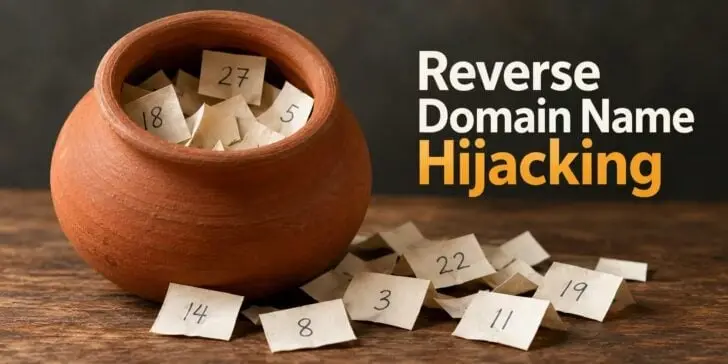
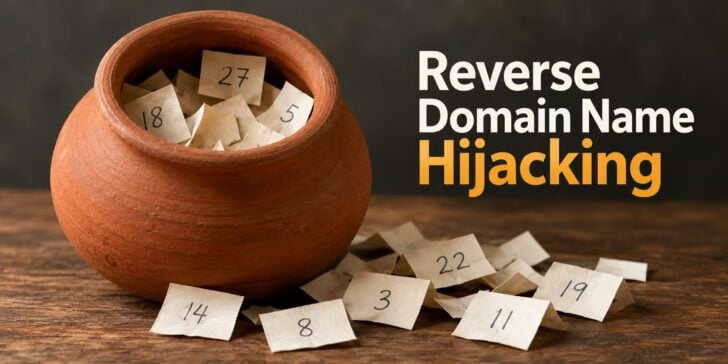
The nomenclature itself is descriptive of the game’s mechanics. As noted by WIPO panelist Shwetasree Majumder in her decision, "satta" is a common Hindi word meaning wagering or betting, while "matka" refers to a traditional earthen pot. In the early days of the game, paper slips with numbers written on them were placed into such a pot, and a winning number would be drawn. Although the game evolved over the years—eventually moving toward a system of drawing numbers from playing cards—the name "Satta Matka" remained the standard generic descriptor for this type of gambling.
Because the term is used colloquially across India to describe a specific activity rather than a specific brand or source of goods, it is generally considered generic or, at the very least, highly descriptive. In the world of intellectual property, generic terms are those that the public understands primarily as the name of the product or service itself, rather than an identifier of who provides that product or service.
The Complainant’s Arguments and Trademark Strategy
Rikshiram Aghria’s case rested on the assertion that the domain name sattamatkajico.com was confusingly similar to his registered trademarks. He argued that he had built significant goodwill and reputation in the marks "SATTA" and "SATTA MATKA" over several years. Furthermore, the complainant made the bold claim that the term "Satta Matka" was a "coined" term—implying that it was a unique invention of his own making rather than a pre-existing phrase in the public domain.
However, the evidentiary record told a different story. The panel observed that the complainant’s trademark applications were filed only weeks before the disputed domain name was registered. This timing raised immediate red flags regarding the complainant’s motives and the actual duration of his alleged "goodwill."
Under the UDRP, a complainant must prove three elements to succeed: that the domain name is identical or confusingly similar to a trademark in which the complainant has rights; that the respondent has no rights or legitimate interests in the domain name; and that the domain name was registered and is being used in bad faith.
In this instance, the complainant failed to bridge the gap between owning a stylized trademark and proving that a third party’s use of a generic term constituted an infringement or an act of bad faith. The panel found that Aghria provided no substantive evidence of the use of his marks in commerce prior to the registration of the domain name, nor did he demonstrate that the term had acquired a "secondary meaning" that would associate it exclusively with him in the minds of the consuming public.
The Panelist’s Findings and the RDNH Label
Shwetasree Majumder, the presiding panelist, was succinct in her dismissal of the case. She highlighted the fundamental flaws in the complainant’s logic, particularly his attempt to claim a monopoly over a term that he himself used to describe a betting game.
"The Complainant brought this Complaint on the strength of applications filed weeks before the disputed domain name was registered, for a term which the Complainant itself uses as the name of a betting game, while describing that term as coined and asserting goodwill built over years without filing any evidence of use," Majumder wrote in the decision.
The panelist’s critique went further, addressing the complainant’s awareness of the term’s status in India. She noted that "Satta Matka" is used colloquially for a number-based betting game and that the complainant "knew, or ought to have known, that it could not show that the Respondent had targeted it."
This led to the formal finding of Reverse Domain Name Hijacking. RDNH is defined under the UDRP Rules as "using the Policy in bad faith to attempt to deprive a registered domain-name holder of a domain name." It is a designation reserved for cases where the panel believes the complainant has attempted to bully a domain owner or has brought a case that they knew lacked merit from the outset.
The panel concluded that the complainant was effectively attempting to "hijack" a generic domain by leveraging a trademark that should never have been used as a weapon against a descriptive use of the same words. By claiming the term was "coined," the complainant was found to have misrepresented the nature of the mark to the panel, further justifying the RDNH designation.
The Role of Generic Terms in UDRP Disputes
This case highlights a recurring theme in domain name disputes: the tension between trademark rights and the right of the public to use generic or descriptive language. The UDRP is designed to protect brand owners against "cybersquatting"—the practice of registering domains that mirror famous trademarks in hopes of selling them back to the brand owner or diverting their traffic.
However, the policy is not intended to allow trademark holders to "reserve" common words or phrases for their exclusive use on the internet. When a domain name consists of a generic term, respondents often have a legitimate interest in using that domain precisely because of its generic meaning. In the context of "Satta Matka," any individual or entity providing information, results, or services related to that betting game might have a legitimate reason to register a domain containing those words.
The panel’s decision reinforces the principle that having a trademark registration is not a "wild card" that guarantees victory in a UDRP proceeding. This is especially true when the trademark is a "device mark" (a logo or stylized text) rather than a "word mark." A registration for a stylized version of a generic phrase does not grant the owner the right to prevent others from using the underlying words in a plain, descriptive manner.
Implications for Self-Represented Parties
An interesting aspect of this case was that both Rikshiram Aghria and the respondent represented themselves. In many UDRP cases, the involvement of experienced intellectual property attorneys helps to filter out meritless claims or, conversely, helps respondents mount a technical defense.
When parties represent themselves, panels often see more "plain-English" arguments but also more fundamental misunderstandings of legal standards. In this case, the complainant’s lack of legal counsel may have contributed to the decision to file a complaint based on a "coined term" theory that was easily debunked by a simple look at Indian cultural history. However, the UDRP rules hold all complainants to the same standard: they must not abuse the process. The finding of RDNH serves as a deterrent to others who might consider using the UDRP as a tool for "Plan B" acquisitions of domains they could not otherwise purchase on the open market.
Conclusion of the Dispute
The WIPO decision resulted in the denial of the transfer of sattamatkajico.com, allowing the respondent to retain ownership of the domain. The finding of Reverse Domain Name Hijacking stands as a permanent part of the public record for the case, serving as a rebuke to the complainant’s tactics.
As the domain name landscape continues to expand, and as more individuals seek to monetize generic and descriptive terms, the boundaries established by cases like this one remain vital. They ensure that the UDRP remains a shield against bad-faith squatting rather than a sword for those looking to monopolize the common language of the internet. For the "Satta Matka" community and the wider domain industry, the ruling is a clear affirmation that generic terms remain free for all to use, regardless of opportunistic trademark filings.
 Web Hosting & Domain Management
The Rise of .si: How "Super Intelligence" Rhetoric is Reshaping the Domain Secondary Market
The domain name industry has long been a mirror reflecting the rapid...
 Web Hosting & Domain Management
Verisign Unveils New "Verisign Informed" Security Service and Moves to Secure .pki Top-Level Domain
In a significant expansion of its security and infrastructure portfolio, Verisign (NASDAQ:...
 Web Hosting & Domain Management
Verisign Reports Record-Breaking Domain Registrations and Sets Launch Timeline for .web TLD
Verisign, the authoritative registry for the internet’s most prominent top-level domains, has...







